Death Penalty Expansion
Algeria Approves Expanding Death Penalty for Arson and Serious Crimes
Anonymous
Key Points
1
The lower-house vote was 307 in favor, 17 against and seven abstentions.
2
For intentional forest and field arson, the amendments would raise the maximum punishment from 20 years in prison to death; Algerian law already allowed the death penalty for arson that caused someone’s death.
3
The property-destruction provisions cover acts carried out on behalf of foreign parties, according to Algeria Press Service; one report also says the amendments remove sentence reductions or leniency for people convicted of the specified offenses.
4
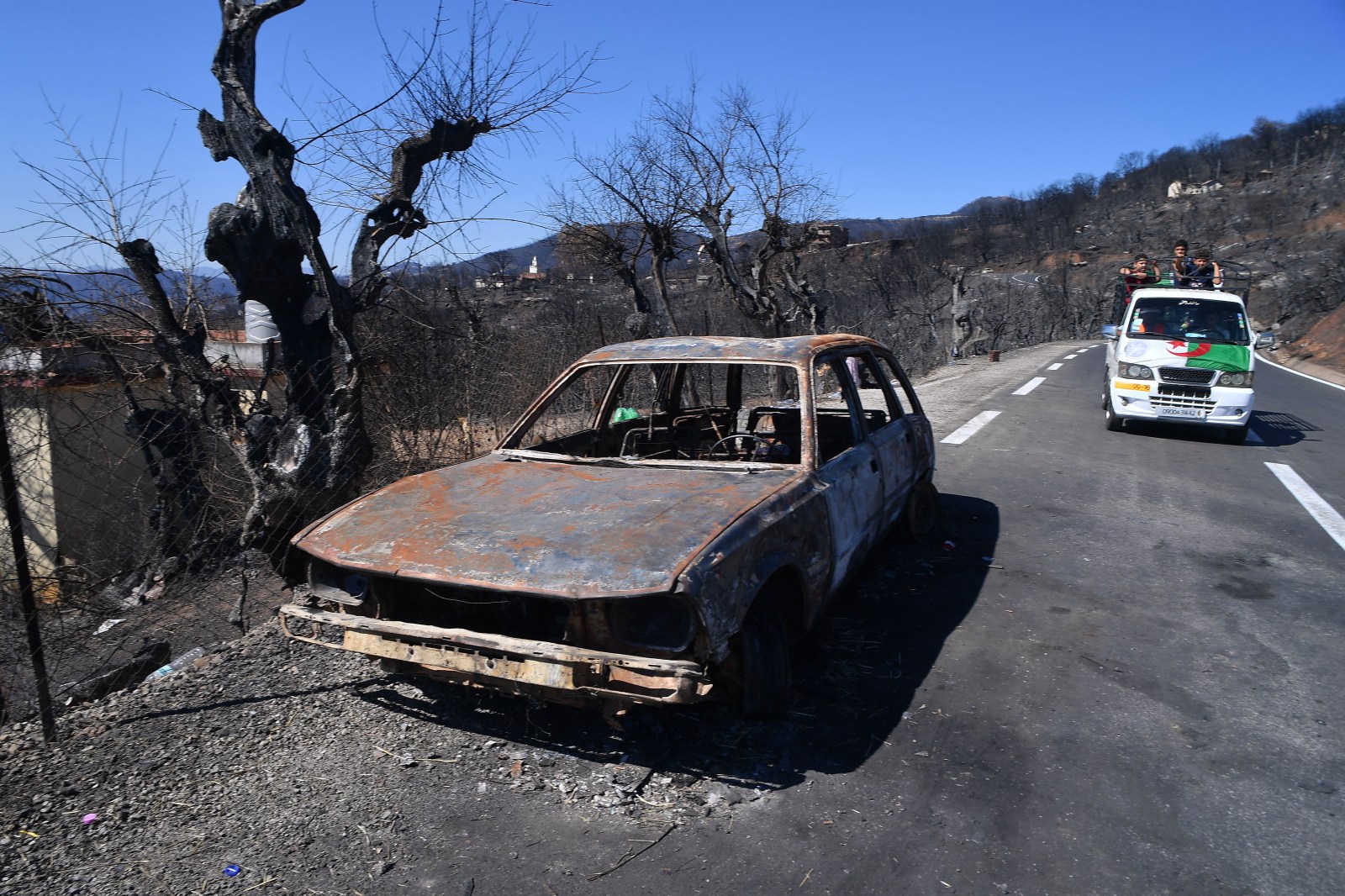
Authorities reported 12 deaths and 54 injuries from the fires, while estimates from independent outlets varied substantially: Take It put the toll near 200, and Twala reported around 100 fatalities.
Algeria's lower house approved death penalty expansion on Tuesday, voting 307-17 to make intentional forest fires punishable by death. The move follows devastating wildfires that killed at least 12 people this summer, though independent outlets report death tolls near 100-200. News18 reported the bill also expands capital punishment to certain crimes against children and property destruction linked to treason or organized crime.
Justice Minister Lotfi Boudjemaa defended the amendments as necessary for serious crimes. The bill must still pass Algeria's upper house before taking effect. Notably, Algeria retains the death penalty in law but has not executed anyone since 1993, making this expansion largely symbolic under current policy.
Wildfires Spark Harsher Penalties
This summer's wildfires triggered the legislative push. Official figures report 12 deaths and 54 injuries, but Take It estimated casualties near 200, and Twala reported around 100 fatalities. Authorities investigated whether some fires were deliberately set, citing evidence of intentional arson in certain cases.
Death Penalty Now Covers More Crimes
The amendments dramatically raise stakes for arson. Current law allows death for arson causing someone's death; the new bill extends capital punishment to any deliberate forest or field fire, raising the maximum from 20 years imprisonment to execution. Algeria Press Service reported the measure covers property destruction on behalf of foreign parties.
The bill also expands death penalty eligibility to crimes against children. This includes abduction involving torture, sexual assault, or mutilation. Reports indicate the amendments remove sentence reductions or leniency for those convicted of these specific offenses, eliminating judicial discretion.
Algeria's Death Penalty Remains Unused
Despite approving capital punishment repeatedly, Algeria has not executed anyone in over 30 years. The last execution occurred in 1993. The expansion signals tough political messaging on public safety without changing enforcement practices, since Algeria maintains the penalty without carrying it out.
Sentiment
Mostly NegativeNEGATIVENEUTRALPOSITIVE
Publishers
14
Articles
69
Reach
83
A
AnonymousAuthor


