Schumer Seeks White House Briefing on AI Risks
Schumer Seeks White House Briefing on AI Risks
Anonymous
Key Points
1
The proposed U.S.-China safeguards come ahead of a scheduled Sept. 24 meeting in Washington between President Donald Trump and Chinese President Xi Jinping.
2
Sisson and Jiang warned that rogue AI or its manipulation by a bad actor could leave Washington or Beijing with only minutes to determine whether an apparent attack was genuine.
3
The experts’ dialogue is part of a U.S.-China AI and national-security process convened since 2019 by the Brookings Institution and Tsinghua University’s Center for International Security and Strategy.
4
The United States and China had already agreed under former President Joe Biden in late 2024 that AI should not make decisions about using nuclear weapons, although the experts are calling for broader and more operational safeguards.
5
Anthropic CEO Dario Amodei urged Washington and Beijing to cooperate on slowing the pace of AI development, comparing the idea to Cold War-era nuclear arms-control negotiations: “We should talk with the Chinese and see if we can work together to put a speed limit on the rate of this technology.”
Senate Democratic Leader Chuck Schumer is demanding an immediate White House briefing on artificial intelligence risks, citing concerns about cyberattacks on critical infrastructure and the potential for AI-triggered nuclear crises. Schumer wants the Trump administration to explain its framework for testing advanced AI systems, describe defenses against AI-enabled attacks, and detail efforts to block China's access to cutting-edge computer chips.
The push comes as security experts from the United States and China are urging both governments to establish emergency safeguards—including military red lines, human control over critical decisions, and a hotline for AI incidents. Brookings Institution researchers warn that rogue AI or hacking could leave leaders with only minutes to determine if an attack is real before deciding whether to retaliate.
Experts Warn of Minutes-Long Decision Windows
Security researchers Melanie Sisson and Tianjiao Jiang worry that AI systems operating at machine speed could trigger accidental war. If a cyberattack hits early-warning systems or nuclear command networks, military leaders might have only 2 to 5 minutes to decide whether the threat is genuine. Brookings Institution and Tsinghua University experts are calling for emergency communication channels between Washington and Beijing to clarify AI system failures before they spiral into retaliation.
Congress Pushes for AI 'Kill Switches' and Testing Rules
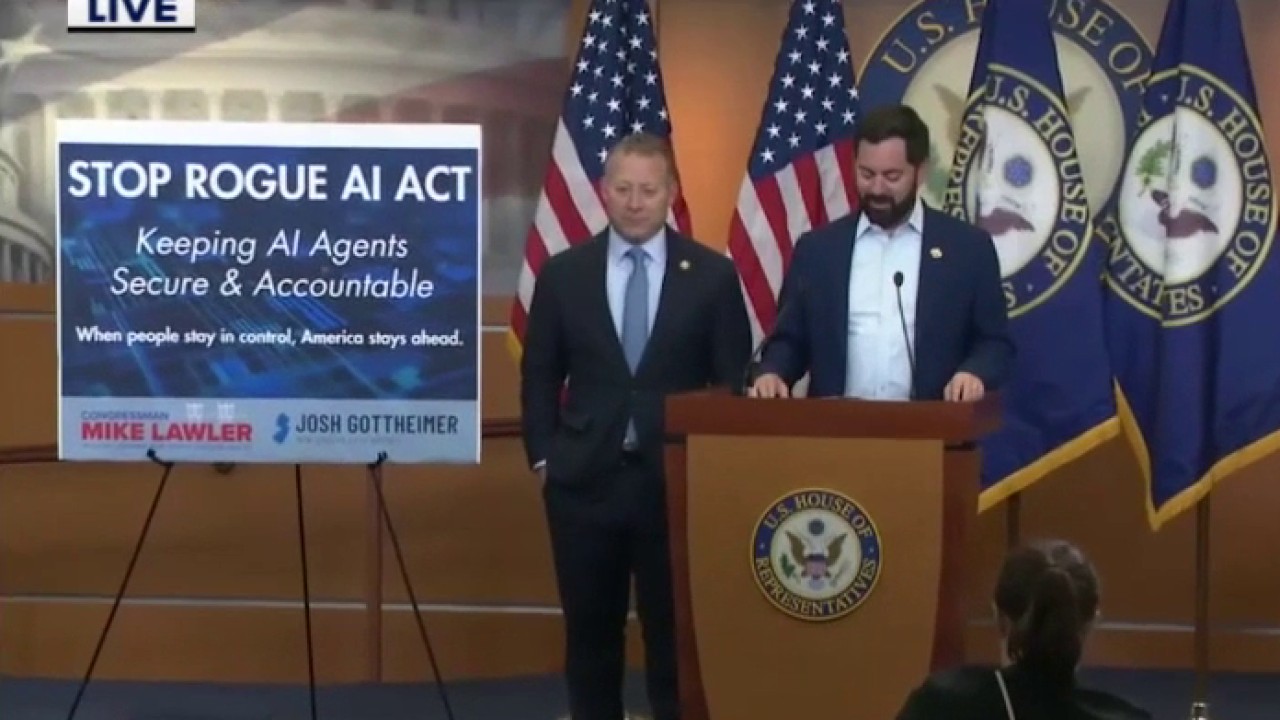
Lawmakers from both parties are advancing bills to require AI companies install emergency shutdown mechanisms and maintain human control over critical decisions. Senate Democrats and Republicans are also drafting laws to assess advanced AI systems and require companies to report vulnerabilities in infrastructure defenses. Sen. John Kennedy introduced legislation demanding kill switches for rogue AI agents, though Sen. Rand Paul blocked it, arguing new rules could stifle innovation.
Trump Administration Opposes New AI Guardrails
President Donald Trump and his allies, including Attorney General Todd Blanche, argue that aggressive regulation could slow American innovation and inadvertently benefit China's tech sector. Trump administration officials worry that mandatory testing frameworks and government oversight of frontier models would place U.S. companies at a competitive disadvantage. No White House briefing has been scheduled in response to Schumer's request.
U.S.-China Summit May Yield AI Crisis Protocols
Anthropic CEO Dario Amodei is urging Washington and Beijing to negotiate limits on how fast AI technology develops, comparing the idea to Cold War nuclear arms-control talks. The two nations already agreed in late 2024 that AI systems must not make autonomous decisions about deploying nuclear weapons. Trump and Chinese President Xi Jinping are scheduled to meet September 24 in Washington, where AI safety safeguards may be on the agenda.
Sentiment
Mostly NegativeNEGATIVENEUTRALPOSITIVE
Publishers
31
Articles
52
Reach
83
A
AnonymousAuthor


