Federal Data Maps Destinations of 4.5 Million Migrants
Federal Data Maps Destinations of 4.5 Million Migrants
Anonymous
Key Points
1
Migrants released into the United States were required to provide U.S. Customs and Border Protection with a street address; the AP received the corresponding destination ZIP codes rather than verified residence data.
2
The 4.5 million-person dataset covers people encountered after crossing the Mexican border both legally and illegally, and records the dates and specific border regions where authorities encountered them.
3
Although authorities generally lacked the resources to confirm migrants reached their reported destinations, migrants were required to report truthfully because the information could affect their immigration-court cases and eligibility for work permits.
4
The records offer an unusually granular view of the post-encounter period, but they cannot establish migrants’ ultimate outcomes: some may have moved within the United States, left voluntarily, or been removed, while many apparently remained at their initial destinations.
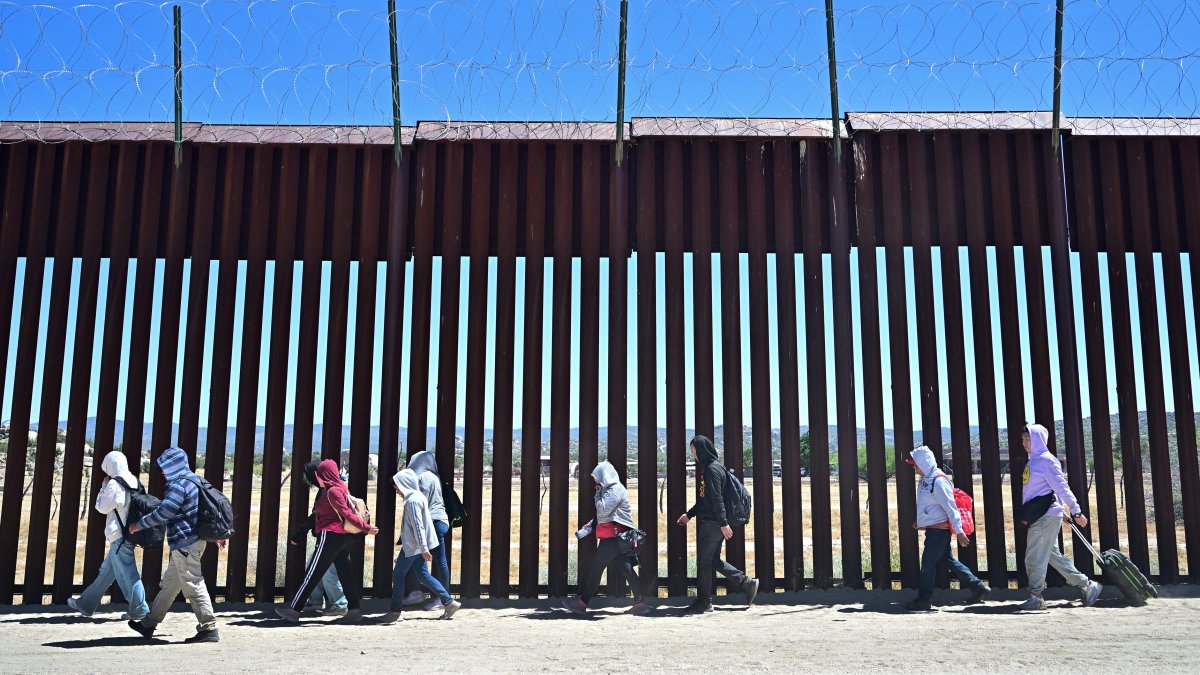
Federal data maps the destinations of 4.5 million migrants released after crossing the U.S.-Mexico border between October 2018 and July 2025, according to Associated Press records obtained through a Freedom of Information Act request. The migrants came from more than 150 countries—including India, Ecuador, and Ghana—rather than predominantly Mexico, reshaping neighborhoods across America.
While many went to established immigrant hubs like New York and Miami, large numbers also settled in smaller communities including Elkhart, Indiana; Knoxville, Tennessee; and Dodge City, Kansas. The Daily Wire reports that the dataset covers people encountered after crossing the border both legally and illegally, though authorities generally could not verify whether migrants actually reached the addresses they reported.
A Decade of Unprecedented Migration Flows
The U.S. experienced a decade-long surge in border crossings that pushed the immigrant population to record levels. Associated Press analysis shows the 4.5 million migrants came from a far wider range of countries than previous waves. This geographic and demographic shift became a major political issue during the Biden administration and contributed to Donald Trump's return to the White House.
Venezuelans Choosing Smaller Cities Over Miami
Many Venezuelan immigrants are bypassing traditional Florida destinations like Miami. Instead, Associated Press reporting shows they are choosing smaller, less-established communities in Utah and elsewhere. This pattern marks a significant shift from the typical immigrant clustering in major metropolitan areas with established support networks.
Data Limitations and Unknown Outcomes
The federal records required migrants to provide a street address to U.S. Customs and Border Protection, but Associated Press received only destination ZIP codes rather than verified residence data. While migrants faced legal incentives to report truthfully—the information could affect immigration-court cases and work-permit eligibility—authorities lacked resources to confirm whether migrants actually reached their reported destinations. Many may have later moved, left the country, or been removed.
Sentiment
Mostly NegativeNEGATIVENEUTRALPOSITIVE
Publishers
15
Articles
195
Reach
210
Topics
A
AnonymousAuthor


