Army halts 173rd drone unit amid back-to-basics push
Army halts 173rd drone unit amid back-to-basics push
Anonymous
Key Points
1
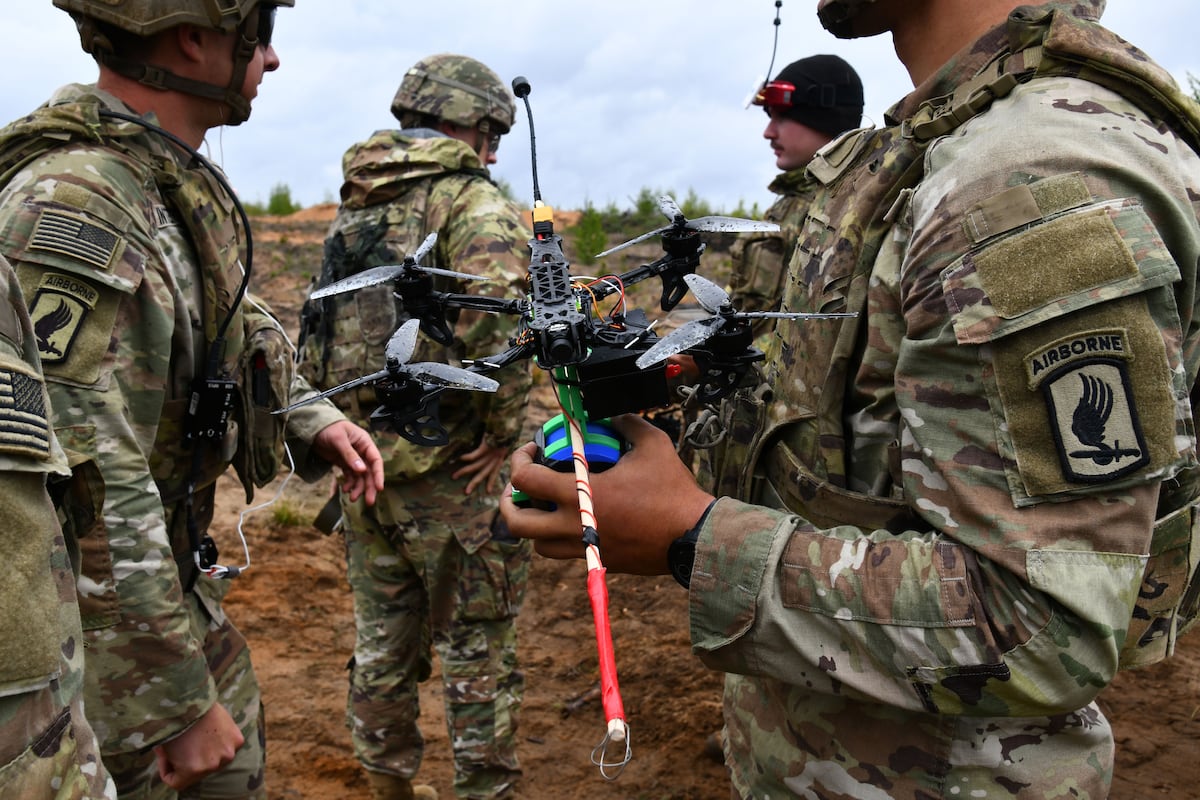
The 173rd Airborne Brigade’s Unmanned Assault Battalion was created in November to be deployable anywhere drones are needed and was actively building its own drones.
2
Before the decision to shutter the unit, the battalion was scheduled to participate in the multinational Saber Junction exercise, after which it would revert to its airborne infantry duties.
3
A briefing request was addressed to departing Army Secretary Dan Driscoll and acting Army Chief of Staff Gen. Christopher LaNeve to explain the decision and provide data and analysis behind it.
The U.S. Army has shut down a specialized drone unit in Europe less than a year after creating it, triggering bipartisan alarm on Capitol Hill. The 173rd Airborne Brigade's 600-member Unmanned Assault Battalion was built to study Ukrainian-style drone tactics and deploy anywhere drones are needed Kyiv Independent. Now Military Times reports lawmakers are demanding answers about why the Army ordered the unit to abandon drone warfare and return to traditional airborne infantry duties.
Lawmakers fear the decision will cripple America's ability to learn from Ukraine's innovations and slow U.S. modernization of drone warfare as unmanned systems reshape modern battlefields Defense Scoop. The Army has directed the battalion to refocus on its core mission as part of a broader back-to-basics push by top leadership Army Times. A bipartisan group has requested a full briefing from Army leadership to explain the data, analysis, and reasoning behind the shutdown.
A Unit Built to Study Ukrainian Drone Tactics
The Unmanned Assault Battalion was created in November 2024 to be a rapid-response force for drone warfare anywhere in the world Kyiv Independent. The 600-member unit was actively building its own drones and practicing tactics similar to how Ukraine has used unmanned systems against Russia Military Times. Soldiers were fully prepared to deploy and had been modeling Iranian and Ukrainian strategies to apply lessons to U.S. operations.
Army Leadership Orders Return to Traditional Infantry Mission
Acting Army Chief of Staff Gen. Christopher LaNeve directed the battalion to abandon its drone focus and return to standard airborne infantry duties Defense Scoop. The shift is part of a broader back-to-basics strategy from top Army leadership emphasizing traditional combat skills over specialization. Before the shutdown, the unit had been scheduled to participate in Saber Junction, a major multinational exercise, after which it would have reverted to infantry duties anyway.
Lawmakers Question Loss of Drone Innovation Capability
A bipartisan group of lawmakers has raised what Defense Scoop calls "deep concerns" about eliminating the unit before it could fully mature. They worry the Army is abandoning a chance to learn from Ukraine's proven drone strategies at a critical moment when unmanned systems are becoming central to warfare Kyiv Independent. The lawmakers have asked Army leadership to provide data, analysis, and clarify whether the decision came from Pentagon guidance or internal Army choices.
The timing raises questions about priorities. Military Times notes the unit was being dismantled just as modern battlefields increasingly rely on drone warfare. Losing institutional knowledge about Ukrainian tactics and Iran's unmanned strategies could slow America's modernization efforts when competitors are advancing rapidly.
Pentagon to Brief Congress on Strategic Rationale
The briefing request was directed to departing Army Secretary Dan Driscoll and Gen. LaNeve to explain their strategic reasoning Army Times. Lawmakers want to know what metrics or analysis justified scrapping an experimental unit before it completed its primary mission. The request signals serious congressional skepticism about whether a back-to-basics approach serves America's interests in an era where drone innovation is accelerating globally.
Sentiment
Mostly NegativeNEGATIVENEUTRALPOSITIVE
Publishers
12
Articles
127
Reach
139
A
AnonymousAuthor


