Vape Shop Federal Charges
Federal Prosecutors Charge Vape Shop Clerks Following Two Student Deaths in Oxford
Anonymous
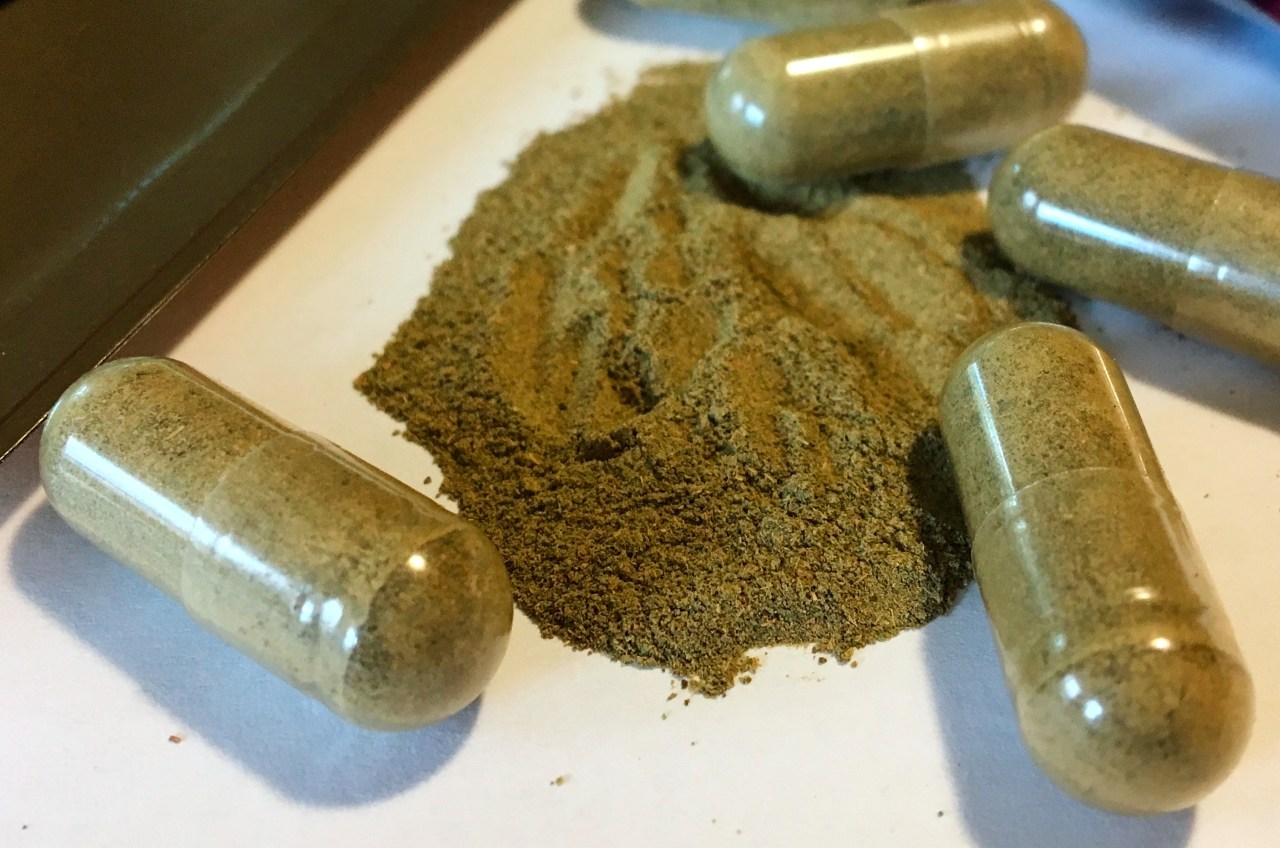
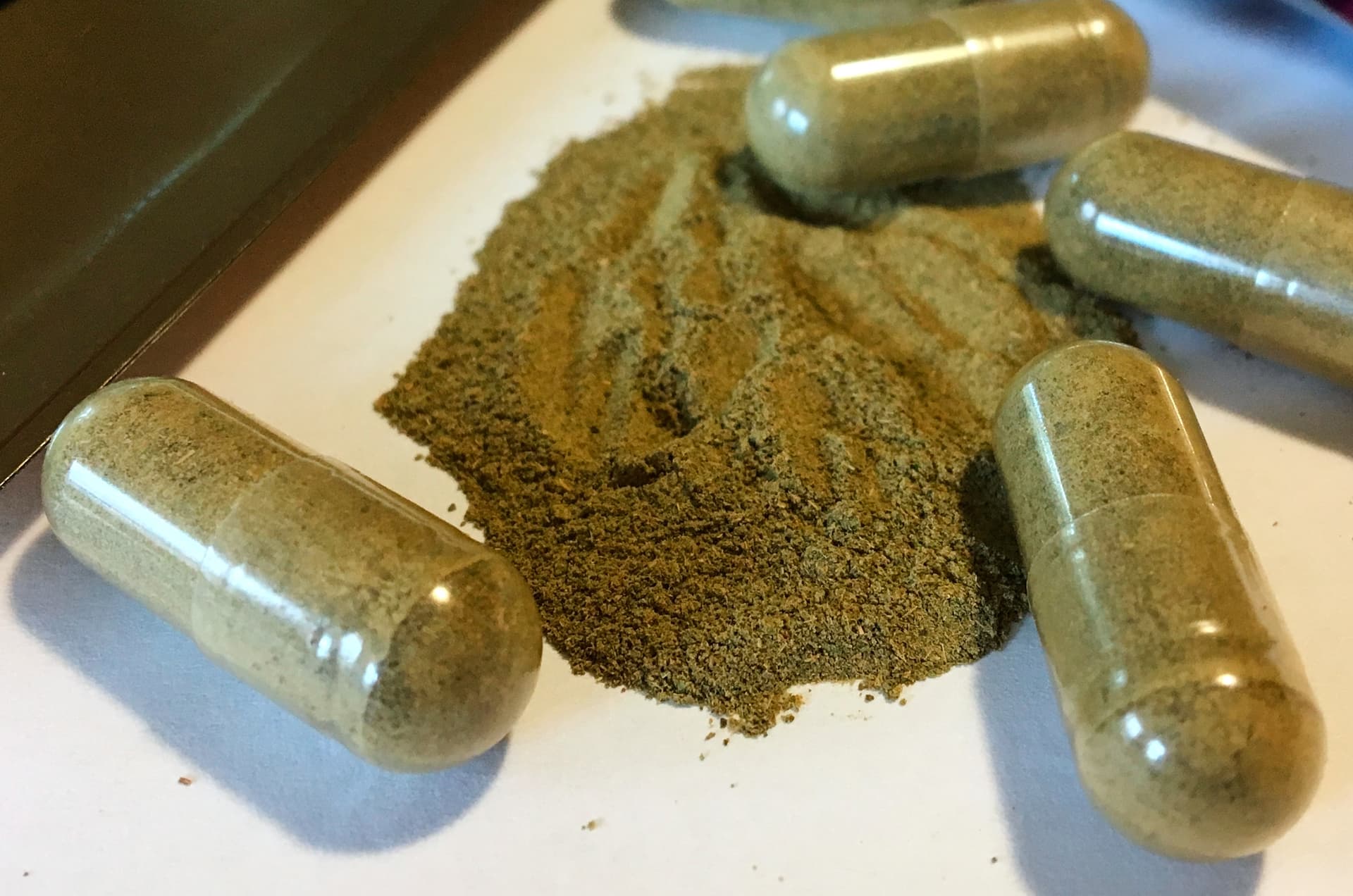
Federal prosecutors charged Oxford vape-shop clerk Yahya Mosleh and his 18-year-old son, Islam, with possession of controlled substances with intent to distribute after investigators linked kratom-derived products found where two University of Mississippi students were found dead to the store. Authorities say the students’ deaths appear consistent with overdoses, but toxicology results are pending and it remains unclear whether kratom contributed; officials have said they have no evidence the deaths were connected. Investigators seized suspected kratom derivatives from the store, including more than 500 units, according to local authorities. The products are distinct from ordinary kratom and include derivatives that are federally controlled; kratom itself remains legal federally, though it is restricted or banned in many jurisdictions.
Key Points
1
A federal court filing said student Aidan Hamilton made multiple purchases at a local vape, tobacco and beer store in September. On Sept. 24, an informant sent by investigators bought kratom-based pills there; the clerk allegedly warned the informant to “be careful taking the pills because people were dying from them.”
2
In the separate county narcotics investigation, agents reportedly recovered more than 500 units of synthetic kratom from the store, along with THC cartridges, gummies and other suspected narcotics. The two men appeared before a judge in Oxford, who found probable cause to proceed with the case.
3
The University of Mississippi students’ bodies were found on Sept. 21 in different locations—one on campus and one off campus—and authorities said they had no evidence the deaths were connected.
4
The U.S. Attorney’s Office described derivatives including MGPI, MGM-15 and MGM-16 as Schedule I controlled substances, more potent than natural kratom leaf products and morphine, and sometimes called “gas station heroin.”
Sentiment
Mostly NegativeNEGATIVENEUTRALPOSITIVE
Publishers
13
Articles
476
Reach
489
Topics
A
AnonymousAuthor