First Bundibugyo Vaccine Trial
Oxford Launches First Human Trials for New Bundibugyo Ebola Vaccine Amid Outbreaks
Anonymous
Key Points
1
There are four Bundibugyro Ebola vaccine candidates in development, with ChAdOx1 BDBV being the first to enter human trials.
2
There is a licensed vaccine against the Zaire strain of Ebola, but it does not work against Bundibugyo.
3
A second, small Bundibugyo vaccine trial is planned to begin soon in Uganda, followed by a larger efficacy study in the Democratic Republic of Congo.
4
In addition to the Oxford vaccine candidate, there is an recombinant vesicular stomatitis virus (rVSV)-based Bundibugyo vaccine candidate under development.
5
The Bundibugyo outbreak has already become the third-largest Ebola outbreak on record.
Oxford University has vaccinated the first human volunteer in the world's first clinical trial of a vaccine against the Bundibugyo strain of Ebola, Forbes reported. The vaccine, called ChAdOx1 BDBV, went from concept to clinic in just eight weeks — a pace researchers say is possible only because of decades of prior groundwork.
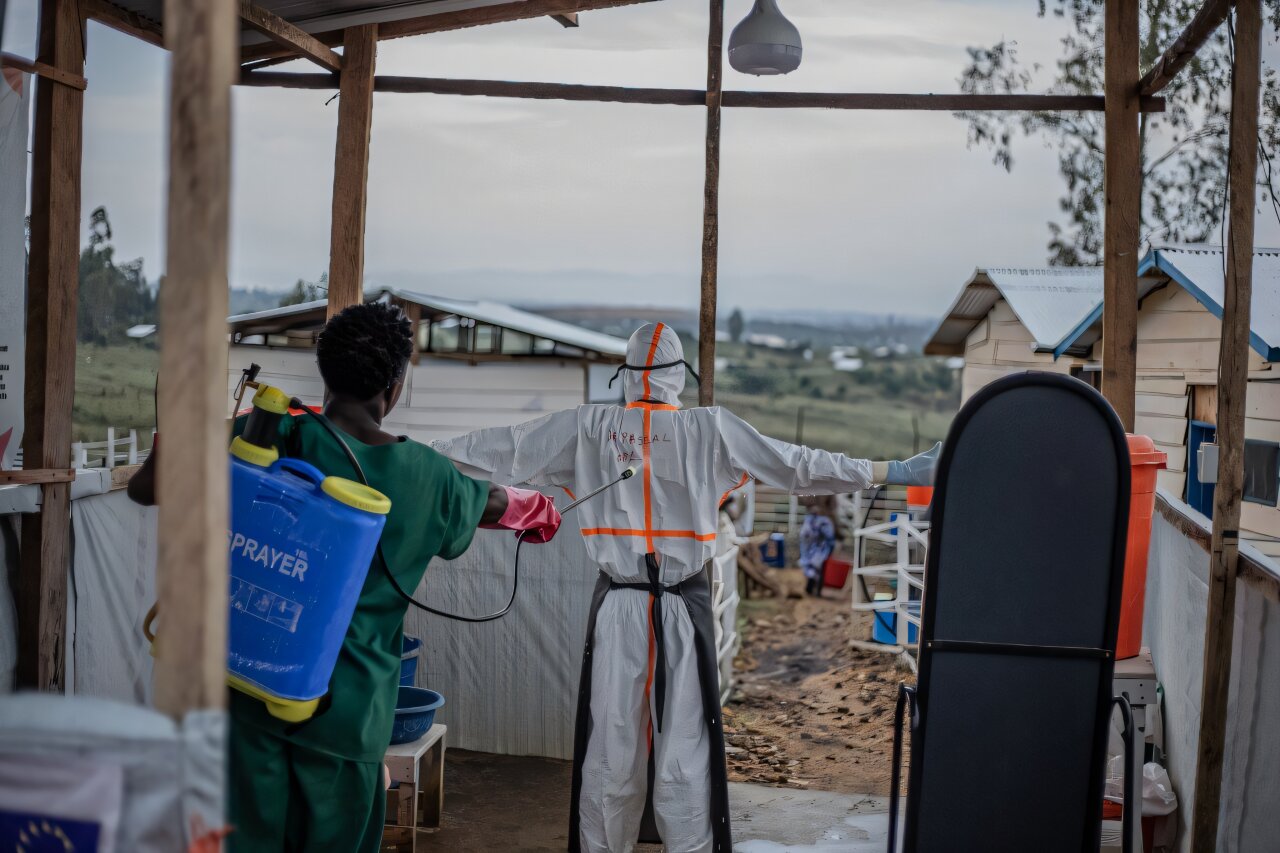
The trial comes as the Bundibugyo outbreak in the Democratic Republic of Congo and Uganda has already killed more than 1,000 people, making it the third-largest Ebola outbreak on record, according to CEPI. No licensed vaccine exists for this strain, making the Oxford shot an urgent priority.
First Volunteer Receives Shot in Oxford Trial
Ed Hunt, a 37-year-old healthy adult, became the first person to receive the ChAdOx1 BDBV shot in Oxford, England, according to teleSUR English. The Phase 1 trial will enroll 50 healthy adults. Its main goals are simple: confirm the vaccine is safe and check whether it triggers a protective immune response.
The vaccine uses the same viral-vector technology as the Oxford/AstraZeneca COVID-19 vaccine, Medical Xpress reported. A viral vector works like a delivery truck — it carries genetic instructions that teach the immune system to recognize and fight the Bundibugyo virus. Researchers expect additional smaller trials before any large-scale efficacy study begins.
Bundibugyo Has No Vaccine — Until Now
There is one licensed Ebola vaccine, but it only works against the Zaire strain, according to Forbes. It does nothing against Bundibugyo. Four Bundibugyo vaccine candidates are now in development. ChAdOx1 BDBV is the first of them to enter human trials.
A second candidate uses a different technology called recombinant vesicular stomatitis virus, or rVSV. Think of it as a weakened virus engineered to carry Bundibugyo proteins. That candidate is also moving through development, but has not yet reached human trials, Yahoo News noted.
620,000 Doses Stockpiled for Rapid Deployment
The trial is funded by CEPI, the Coalition for Epidemic Preparedness Innovations. The Serum Institute of India has already stockpiled around 620,000 doses, according to CEPI. That stockpile is ready for rapid deployment if early trial results look promising.
Trials are also planned in Uganda and the DRC — the two countries currently battling the outbreak. A small follow-up study in Uganda will come next, followed by a larger efficacy study in the DRC, teleSUR English reported. Efficacy studies test whether the vaccine actually prevents infection in the real world.
Speed Built on Decades of Prior Research
Eight weeks from concept to first human injection is extraordinarily fast. Oxford researchers say the speed is not a shortcut — it is the result of decades of earlier work on viral-vector vaccines, Medical Xpress reported. The COVID-19 vaccine program built much of the same infrastructure now being used here.
The Bundibugyo outbreak has now surpassed 1,000 deaths, ranking it third among all Ebola outbreaks ever recorded, according to Yahoo News. Researchers say that scale of crisis makes speed essential — and early results from the Oxford trial could determine whether a licensed Bundibugyo vaccine becomes a reality.
Sentiment
Mostly PositiveNEGATIVENEUTRALPOSITIVE
Publishers
18
Articles
35
Reach
53
Topics
A
AnonymousAuthor


