Takaichi's Approval Crisis
Takaichi's Approval Sinks Amid Rising Living Costs, Yen Slump, and Communication Concerns
Anonymous
Key Points
1
Analysts describe Takaichi as a reclusive leader, noting she often skips evening engagements, eats alone, and studies policy in private, a style that voters increasingly interpret as a lack of communication.
2
The Imperial Household Law revision that would keep women from the line of succession, despite Takaichi being Japan's first female prime minister, is seen as out of step with public sentiment.
3
Kyodo News said a cabinet reshuffle could occur in August or September, reflecting waning political capital amid lower approval and mounting inflation concerns.
4
The government has delayed or faced difficulty on cutting the 8% food sales levy because of internal party opposition and concerns about public finances, with no clear funding plan for the suspension.
5
The Bank of Japan raised rates to a 31-year high of 1% in June, contributing to a yen at four-decade lows and negative real borrowing costs, highlighting the market pressures tied to policy mix.
Japanese Prime Minister Sanae Takaichi's cabinet approval rating has fallen to 57% in July — its lowest point since she took office — while disapproval has climbed to 34%, according to Market Screener. Unaffiliated voters are turning away, and analysts tie the slide directly to rising living costs and a weakening yen.
The yen has hit four-decade lows, and the Bank of Japan raised interest rates to a 31-year high of 1% in June. Those moves have squeezed households already struggling with higher food and energy bills, putting Takaichi's growth-first agenda under serious strain.
Takaichi Defends Growth Plans as Yen Weakens
Takaichi has pushed back against critics of her economic approach. She argues that boosting Japan's growth potential and competitiveness will earn market trust in the yen, according to Macon. "Efforts to boost the country's growth potential will underpin market trust," she said in recent remarks.
She has also acknowledged that the Bank of Japan is coordinating policy with her government. But critics say the combination of loose fiscal spending and tighter monetary policy has created a damaging mix. The yen's weakness is raising import costs, which feeds directly into the inflation squeezing Japanese households.
Food Tax Cut Stalls as Party Infighting Drags On
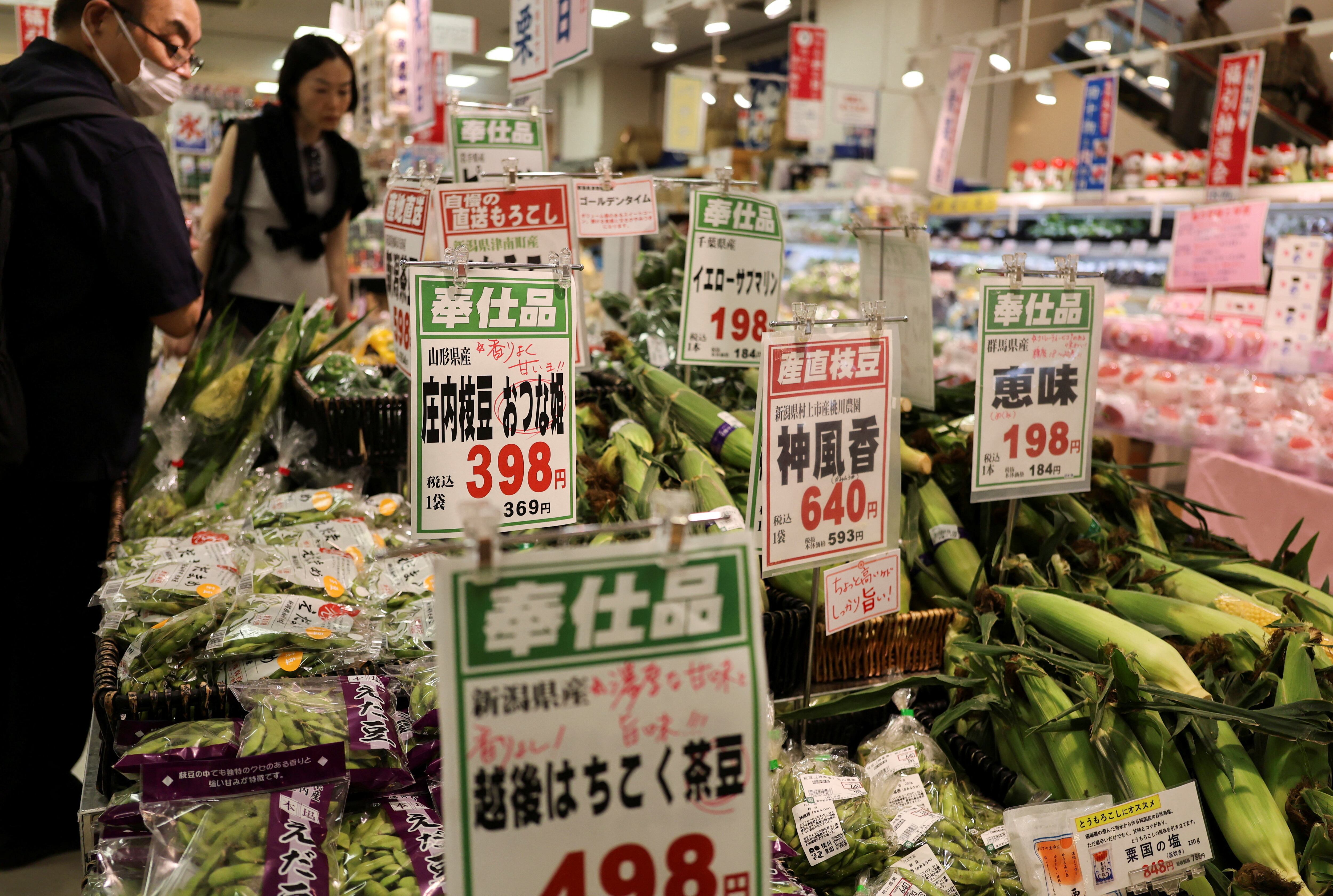
One of the clearest signs of Takaichi's shrinking political capital is the stalled debate over Japan's 8% food sales tax. Cutting the levy could ease the cost-of-living crunch, but the plan has hit a wall. Opposition within her own ruling party and worries about public finances have blocked progress, with no clear plan for how to pay for a suspension.
The deadlock is damaging. Voters see rising grocery bills every week, and the government has no relief to offer them. That gap between economic pain and political action is a key driver of the drop in unaffiliated voter support.
Leadership Style Draws Criticism from Voters and Allies
Analysts say Takaichi's personal style is making things worse. She is described as a reclusive leader who often skips evening social engagements, eats alone, and studies policy in private. Voters are starting to read that as a lack of communication, not dedication, according to Crypto Briefing.
There is also a symbolic tension at the heart of her tenure. Japan's first female prime minister has backed a revision to the Imperial Household Law that would keep women out of the line of succession. Many voters see that stance as out of step with where public opinion has moved on gender equality.
Cabinet Reshuffle Floated as Early as August
With approval numbers falling and inflation concerns mounting, a cabinet reshuffle is now on the table. Kyodo News has reported the shake-up could happen as early as August or September. A reshuffle is often used by Japanese prime ministers to reset momentum and signal a change in direction.
Whether new faces can fix the underlying problems is unclear. Rising bond yields, a weak yen, and stalled tax reform are structural issues, not ones solved by swapping ministers. Takaichi's team faces a narrow path: stabilize the economy without blowing up the public finances or spooking markets further.
Sentiment
Mostly NegativeNEGATIVENEUTRALPOSITIVE
Publishers
16
Articles
35
Reach
51
A
AnonymousAuthor


