Nationwide Flea Market Guide
Iconic Flea Markets and Secondhand Havens Draw Crowds Across America for Treasure Hunts
Anonymous
Key Points
1
Packwood Flea Market anchors the town’s experience, set against Mount Rainier and the Gifford Pinchot National Forest, turning Packwood into a buzzing market hub on market days where locals greet visitors and vendors travel from across the region.
2
In the East Valley, the outdoor market draws thousands who arrive early and stay for hours, wandering aisle after aisle without ever seeing the same booth twice.
3
New Hampshire’s Milford Antique Co-op spans about 20,000 square feet and hosts more than 200 dealers with around 2,000 consignors, organized like a village with areas named Main Street, Small Treasures Hall, Market Square, plus Discovery Barn, Tower and Upstairs Galleries.
4
Raynham Flea Market offers both indoor and outdoor shopping in a weatherproof setup, with vendors refreshing stock regularly and a lively, community-driven energy that attracts bargain hunters week after week.
5
The Raleigh Market in North Carolina covers 75 acres at the State Fairgrounds and has been a fixture since 1971, epitomizing long-running flea-market culture with steady crowds and a wide range of finds.
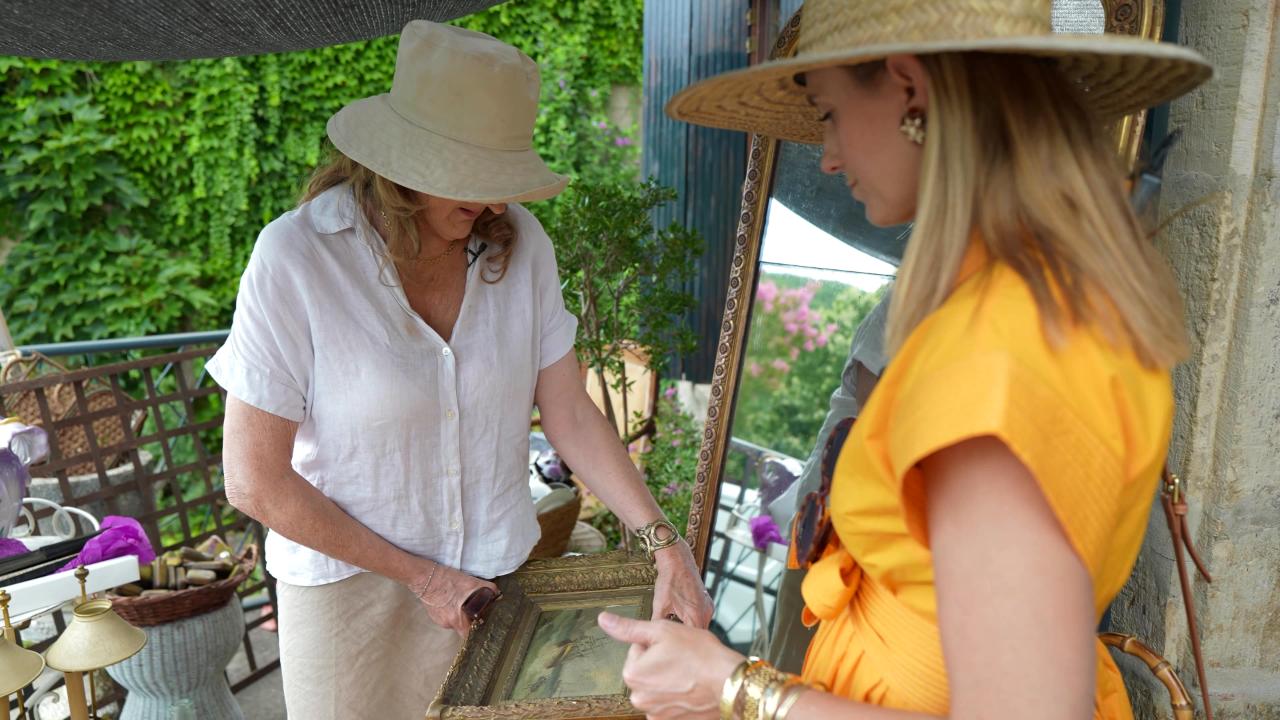
Thousands of bargain hunters and collectors pack flea markets and antique shops across America each week, turning ordinary afternoons into treasure hunts. Family Destinations Guide highlights how a sprawling outdoor market in Arizona's East Valley draws massive crowds who arrive early and browse for hours without repeating a booth. From Washington state to North Carolina, these markets have become regional destinations where vendors and locals create vibrant communities around secondhand goods and vintage finds.
Arizona's East Valley Market Draws Early Birds
The East Valley's outdoor swap meet operates at a scale that keeps visitors discovering new booths. With 1,500 vendors packed into the market, shoppers can wander aisles for hours without seeing the same vendor twice. Crowds arrive early and stay all day, treating the event like a social experience as much as a shopping destination. The sheer size means even repeat visitors find fresh inventory and new treasures on each trip.
Packwood Flea Market Anchors A Washington Town
Packwood, Washington's flea market sits in a stunning natural setting backed by Mount Rainier and the Gifford Pinchot National Forest. Family Destinations Guide describes it as a town-sized event where vendors travel from across the region to set up booths. Local shoppers greet visitors and the market turns Packwood into a buzzing hub on event days. The combination of outdoor shopping and mountain scenery makes it a regional destination that draws both casual browsers and serious collectors.
New Hampshire's Milford Antique Co-op Spans 20,000 Square Feet
New Hampshire's Milford Antique Co-op functions like a self-contained village designed for leisurely browsing. Decor Hint notes the massive 20,000-square-foot building hosts more than 200 dealers representing around 2,000 consignors. The space divides into themed areas: Main Street, Small Treasures Hall, Market Square, Discovery Barn, Tower, and Upstairs Galleries. This organization helps shoppers navigate the sprawling inventory while creating distinct moods that encourage spending hours inside.
The scale of the Milford Antique Co-op means inventory constantly refreshes. Dealers rotate stock regularly, giving returning customers reason to visit multiple times per month. The building's size and layout mean many shoppers only make it through a quarter of the merchandise before running out of daylight. This keeps the treasure hunt feeling alive with each visit.
Massachusetts Markets Offer Year-Round Shopping
Flea markets in Massachusetts like Raynham and Douglas combine indoor and outdoor spaces to protect shoppers from weather. Decor Hint highlights how these markets refresh vendor inventory regularly, keeping bargain hunters and collectors returning week after week. The setup creates a community-driven energy where the same faces appear across booth rows. Both locations emphasize accessibility — shoppers can browse comfortably regardless of season while vendors maintain constant supply rotation.
The weatherproof indoor-outdoor model has proven successful across multiple Massachusetts locations. Vendors know repeat customers will return, so they stock fresh merchandise consistently. This creates a reliable shopping destination for locals hunting specific items or exploring whatever appears that weekend. The lively atmosphere keeps the experience feeling alive and community-focused rather than static.
Raleigh Market's 75-Acre Legacy Since 1971
The Raleigh Market in North Carolina has anchored flea market culture for over 50 years, operating across 75 acres at the state fairgrounds. Since launching in 1971, it has built a reputation for steady crowds and wide variety. The enormous footprint allows hundreds of vendors to set up simultaneously while still leaving room for shoppers to wander without feeling crowded. Long-running flea markets like Raleigh demonstrate how these destinations become regional institutions where families return generation after generation.
Sentiment
Mostly PositiveNEGATIVENEUTRALPOSITIVE
Publishers
16
Articles
3
Reach
19
A
AnonymousAuthor


