Separate AI Music Charts
Kelly Clarkson Calls for Separate Charts to Protect Human Musicians from AI
Anonymous
Key Points
1
Clarkson called ChatGPT her “lover” and said she had used it to plan the interior design of her home in Santa Barbara.
2
Her favorable comments contrasted with an interview published about three weeks earlier, in which Clarkson reportedly said AI lacked “soul” and that nothing could replace a real person.
3
Rogers and Yang brought up AI-generated actor Tilly Norwood during the podcast; the article notes that Norwood had appeared on television and that her use has angered actors’ unions.
4
Some critics argued that established celebrities like Clarkson face less risk from AI than independent or less successful musicians; one X user said famous performers should not speak as if they must compete for attention on equal terms with smaller artists.
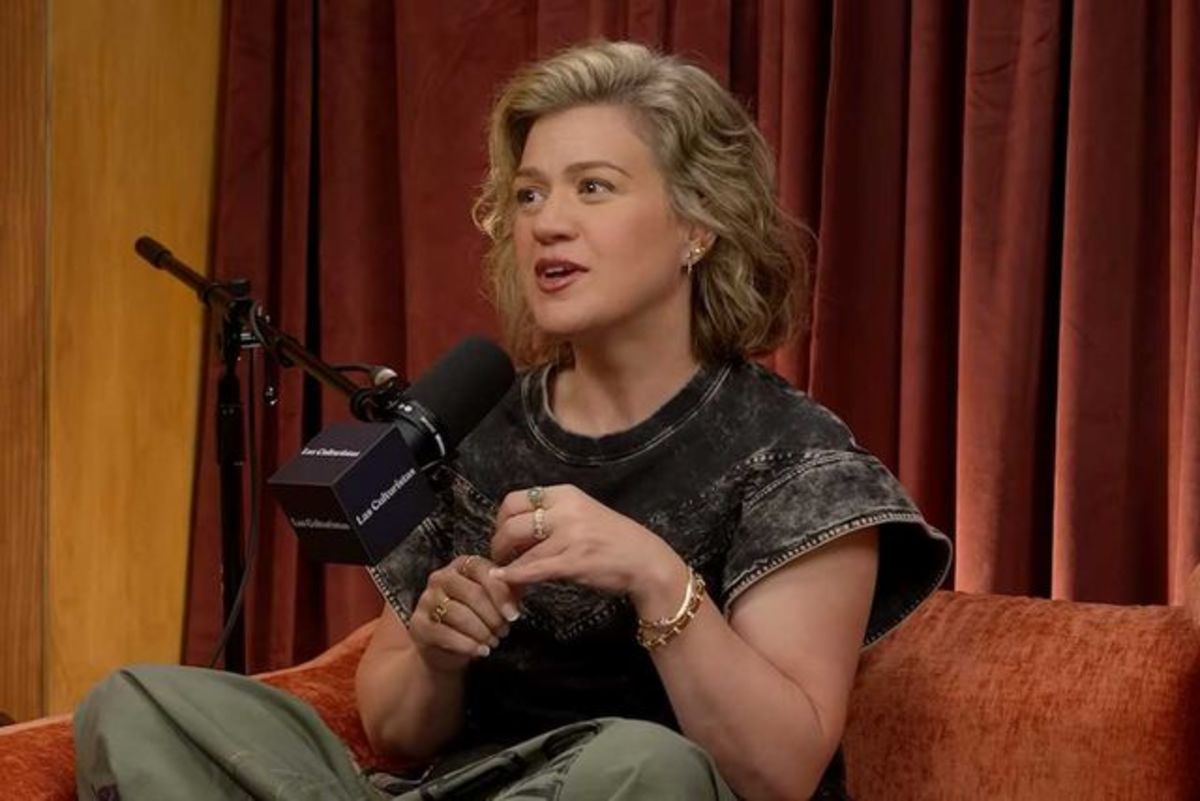
Kelly Clarkson said she loves using AI as a creative tool — she even called ChatGPT her "lover" and used it to design her Santa Barbara home. But on the Las Culturistas podcast, she drew a hard line: AI-generated music should not compete with human artists on the same charts. Yahoo News reported that Clarkson compared it to "having robots compete with humans" in the Olympics, calling instead for separate rankings to protect human musicians.
Her stance sparked fierce online backlash. Critics noted that Clarkson had said just three weeks earlier that AI lacked "soul" and nothing could replace real people. Some X users argued that wealthy, established stars like Clarkson face far less risk from AI than independent or struggling musicians do — making her push for "separate charts" seem tone-deaf to artists whose jobs and livelihoods are actually at stake.
A Three-Week Flip on AI and Soul
In early September 2026, The Statesman covered Clarkson saying AI lacked "soul" and that nothing could replace a human artist. Three weeks later, on September 30, she sat down with Las Culturistas hosts Matt Rogers and Bowen Yang. During the show's "I Don't Think So Honey" segment, she described herself as "obsessed" with AI and explained how it helps her work. The sudden shift raised eyebrows across music media outlets including Stereogum and Paste Magazine, which flagged the apparent contradiction.
Clarkson's Boundary: Charts, Not Tools
Clarkson made clear she sees AI as useful for creative and practical tasks. She used ChatGPT for her home's interior design and views the technology as something "people who couldn't [otherwise] make things" can rely on. But she drew a sharp distinction: AI-generated music should live on separate charts. "I love AI," she told Rogers and Yang, according to IBTimes. "But when you see AI artists competing on a chart with humans, I have an issue."
The Olympic analogy stuck with listeners. Clarkson said allowing robots to compete alongside humans "is basically like having the Olympics and then you're having robots compete with humans." AOL News reported her plea for "ground rules" and regulation. She acknowledged AI's creative potential but insisted human artists deserved protected spaces and clear rules about respect and fair competition.
Critics Say Clarkson Misses the Real Threat
Social media users fired back quickly. X users pointed out that millionaire musicians like Clarkson face minimal actual risk from AI — they have decades of catalog rights, established fan bases, and steady revenue. Session musicians, background vocalists, and independent artists scrambling for gigs are the ones truly threatened by synthetic music that costs nothing to produce. One commenter noted that famous performers should not speak as if they must compete on equal footing with smaller artists.
Critics also raised concerns about AI's environmental footprint and the ethics of training data. Head Topics noted backlash from listeners who said more established artists should acknowledge the disparity before calling for "separate charts." The conversation expanded to include labor protections: The Independent reported that screen and recording artist unions have demanded strict consent and compensation rules in the wake of technological disruption.
Industry Scrambles to Set AI Music Rules
Clarkson's comments landed as major chart compilers face mounting pressure to clarify their AI policies. IBTimes noted that Billboard does not ban AI-generated music outright but has moved toward requiring clear metadata labels. Australia's music body has barred wholly synthetic tracks from official charts, while the UK's Official Charts Company has not yet finalized a formal stance.
The timing also coincided with broader AI uproar in entertainment. Tilly Norwood, an AI-generated actor created by Particle6, had appeared on CNN and Sky News in September 2026, sparking immediate backlash from SAG-AFTRA and acting unions. That controversy underscored how celebrities' public stances on AI now carry weight — and how divided the industry remains on where to draw the line between tool and threat.
Sentiment
Mostly NegativeNEGATIVENEUTRALPOSITIVE
Publishers
31
Articles
52
Reach
83
A
AnonymousAuthor


