Diverging 9/11 Perspectives
Twenty-Five Years Later, Americans Experience the Legacy of 9/11 Differently
Anonymous
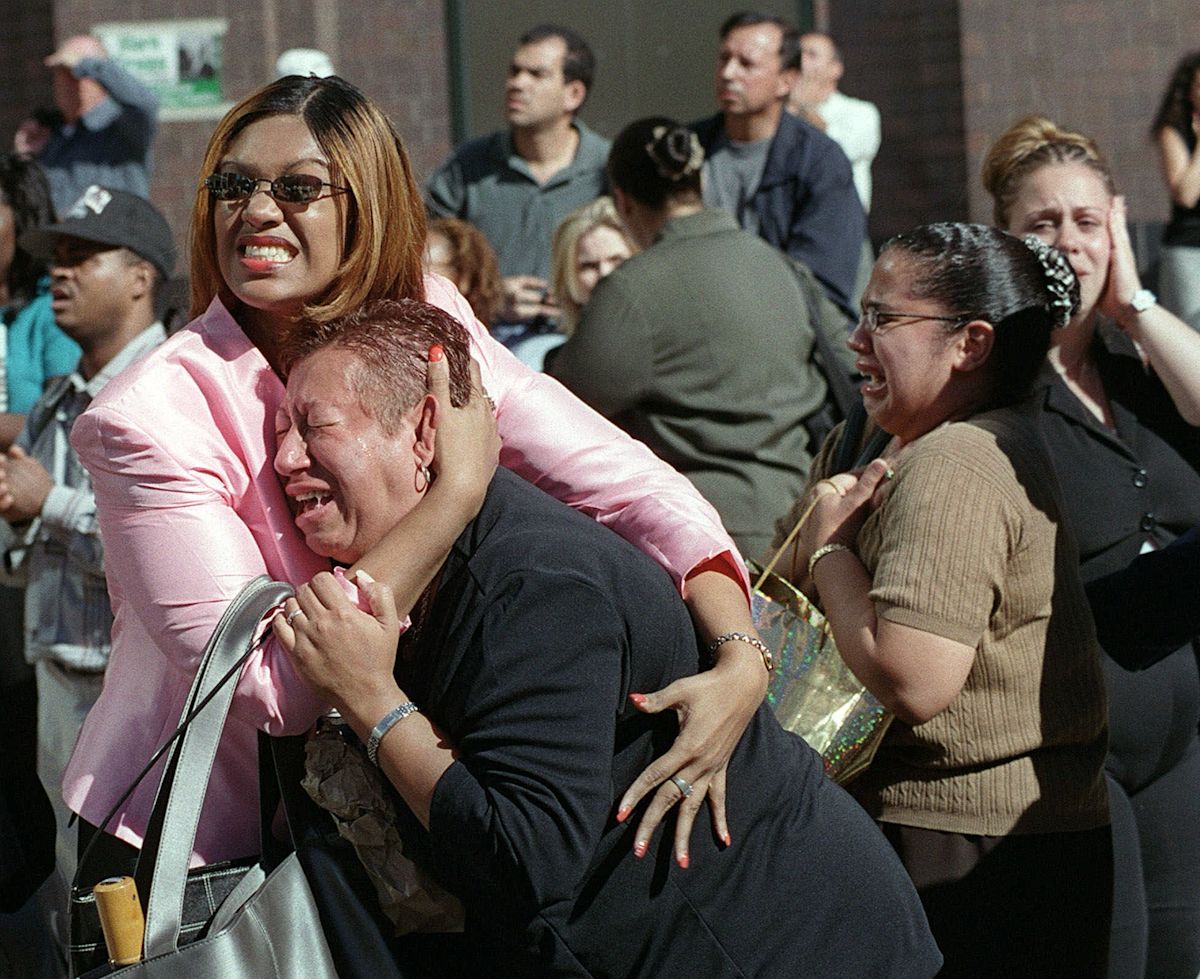
Twenty-five years after the September 11 attacks struck the United States on a sunny morning, Americans experience vastly different griefs from that single day. AP News reports that one attack created many Americas — dividing the nation into those who lost loved ones, joined the military, lost jobs, and communities targeted by new security measures and suspicion.
The post-9/11 world created lasting consequences beyond the immediate tragedy. Programs like the National Security Entry-Exit System required non-U.S. male citizens over 16 from certain countries to register at ports. Critics call this racial and religious profiling. MyNorthwest notes that the creation of the Department of Homeland Security and new immigration restrictions reshaped entire communities' lives for a quarter century.
Direct Loss Still Defines a Quarter Century
Families who lost loved ones in the attacks carry a different weight than other Americans. SF Gate reports that grief looks different depending on what someone lost — a family member in the towers, a spouse or parent, or simply security and peace of mind. The death toll reached nearly 3,000 people across four hijacked planes and two buildings.
For these families, the 25-year anniversary is not abstract. It remains personal and immediate. Each September 11 brings back the specific day their world stopped.
Economic Ripples That Lasted Decades
Beyond direct casualties, 9/11 triggered massive job losses across America. SF Gate notes that tourism, air transport, and related industries shed thousands of workers. Airlines grounded flights. Hotels emptied. Travel spending collapsed. These economic shocks cascaded through cities and small towns alike.
Many workers who lost jobs in 2001 never fully recovered. Some switched careers completely. Others spent years rebuilding. The financial wound extended far beyond Manhattan's devastated blocks.
Military Service Changed Millions of Young Lives
A generation of Americans enlisted after 9/11, believing the attacks demanded military response. Voice of Alexandria reports that recruitment surged in the months and years following the attacks. Young men and women signed up to fight in Afghanistan and Iraq — wars directly connected to 9/11 in the public mind.
Two decades of war meant combat trauma, permanent injuries, and lost lives. Veterans now mark 9/11 not just as a national tragedy but as the moment their personal sacrifice began. Some never came home.
Surveillance and Suspicion Targeted Entire Communities
Muslim Americans and immigrants from predominantly Muslim nations faced sudden, intense scrutiny after 9/11. MyNorthwest reports that the National Security Entry-Exit System forced non-U.S. male citizens over 16 from specific countries to register. The policy singled out entire ethnic and religious groups based on national origin alone.
This surveillance persisted for years. Families were separated by immigration rules and restrictions. Children grew up in a country where they felt permanently watched or unwelcome. For these Americans, 9/11's legacy means decades of being viewed with suspicion simply for who they are.
Sentiment
NeutralNEGATIVENEUTRALPOSITIVE
Publishers
16
Articles
14
Reach
16
Topics
A
AnonymousAuthor


