Seattle Emergency Overhaul
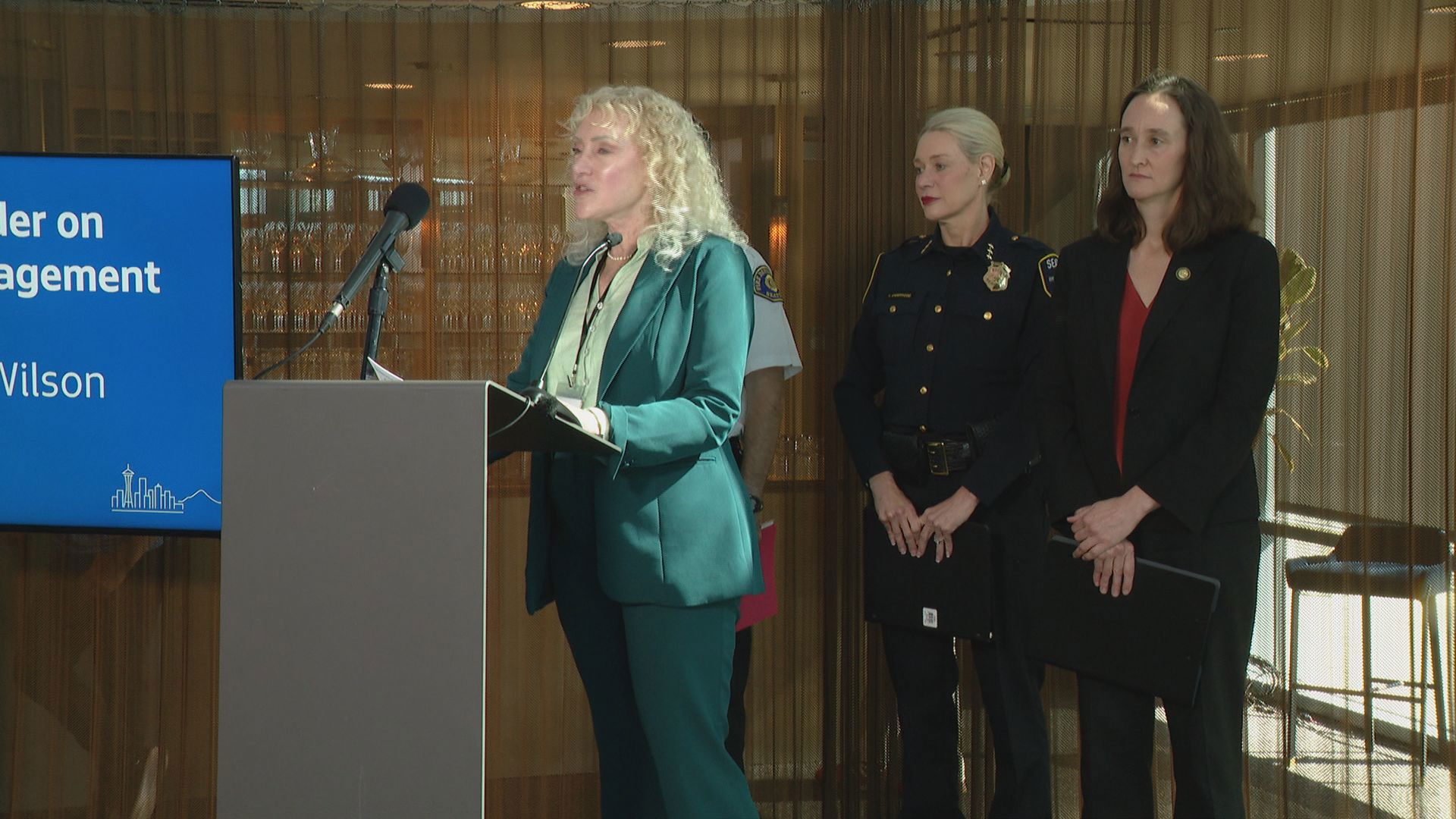
Seattle Mayor Signs Executive Order to Overhaul City Emergency Management and Alert Systems
Anonymous
Key Points
1
The order was signed during a two-day emergency-management symposium for city staff and is organized around three priorities: creating a shared citywide vision, directing standards and training for city agencies, and strengthening community preparedness partnerships.
2
Under the order, city departments must update their Continuity of Operations Plans and Hazard Mitigation Plans by the end of 2027, a requirement tied to maintaining eligibility for Federal Emergency Management Agency disaster-recovery funding.
3
The Office of Emergency Management is directed to conduct at least two citywide tabletop exercises and one functional emergency-operations-center exercise every year, while exploring full-scale simulations involving the deployment of personnel and resources.
4
Mayor Wilson said the city’s previous approach was insufficient: “One of our most important responsibilities as a City is to prepare and plan for emergencies ... but the old way of doing things is no longer enough.”
5
The order’s emphasis on preparedness is also supported by an estimate cited in the announcement that every $1 invested in disaster preparedness can save between $5 and $15 in recovery costs.
Seattle Mayor Katie Wilson signed an executive order overhauling the city's emergency management systems KIRO 7, following a deadly shooting and ahead of the 2026 FIFA World Cup. The order requires city departments to update emergency plans, conduct regular drills, and improve communication channels to prevent delays like those seen after the Bite of Seattle shooting King 5.
Mayor Wilson said the city's old approach was insufficient: "One of our most important responsibilities as a City is to prepare and plan for emergencies ... but the old way of doing things is no longer enough." The order centers on building a shared citywide vision, setting agency standards, and strengthening community partnerships MyNorthwest.
Delays and Confusion Sparked This Overhaul
The deadly Bite of Seattle shooting exposed serious gaps in the city's emergency response. Police and city officials shared confusing messages about who was in charge. Casualty and suspect information took hours to reach the public King 5. These failures revealed a need for clearer communication chains and better coordination between departments.
Three Core Changes to Emergency Operations
The order is built on three priorities. First, city departments must create a unified emergency vision. Second, they must set clear standards and training for all agencies. Third, they must strengthen partnerships with schools, businesses, and neighborhood groups KIRO 7.
City departments must update their Continuity of Operations Plans and Hazard Mitigation Plans by the end of 2027. This requirement is tied to maintaining Federal Emergency Management Agency disaster-recovery funding eligibility MyNorthwest. The Office of Emergency Management will conduct at least two tabletop exercises and one functional operations-center exercise every year.
Preparing for the World Cup and Beyond
The 2026 FIFA World Cup, which Seattle will host, prompted the city to strengthen its emergency readiness. But the order also addresses growing climate disasters and uncertainty over federal disaster funding KIRO 7. Officials want to build more resilient communities that can handle increasingly complex emergencies.
Research shows disaster preparedness pays off. Every $1 invested in preparedness can save between $5 and $15 in recovery costs MyNorthwest. This financial case strengthens the city's push to require regular drills and updated emergency plans across all departments and community partners.
Sentiment
Mostly NegativeNEGATIVENEUTRALPOSITIVE
Publishers
13
Articles
10
Reach
23
Topics
A
AnonymousAuthor


