Mercedes Sepang Tire Struggles
Mercedes battles severe tire overheating and setup struggles after major Sepang upgrade package.
Anonymous
Key Points
1
Mercedes used FP1 primarily to validate the new package, including revised sidepods and a new floor, by running at constant speed to compare track data with simulation predictions.
2
The Sepang package was Mercedes’ first substantial upgrade since the Canadian Grand Prix and also included revised rear suspension and bodywork.
3
Neither Mercedes driver set a soft-tyre lap in FP2 after each made an error in the final sector, so the session did not show the W17’s full potential over one lap.
4
Malaysia was hosting the race in place of Bahrain, which could not stage its round because of the ongoing conflict in the Middle East.
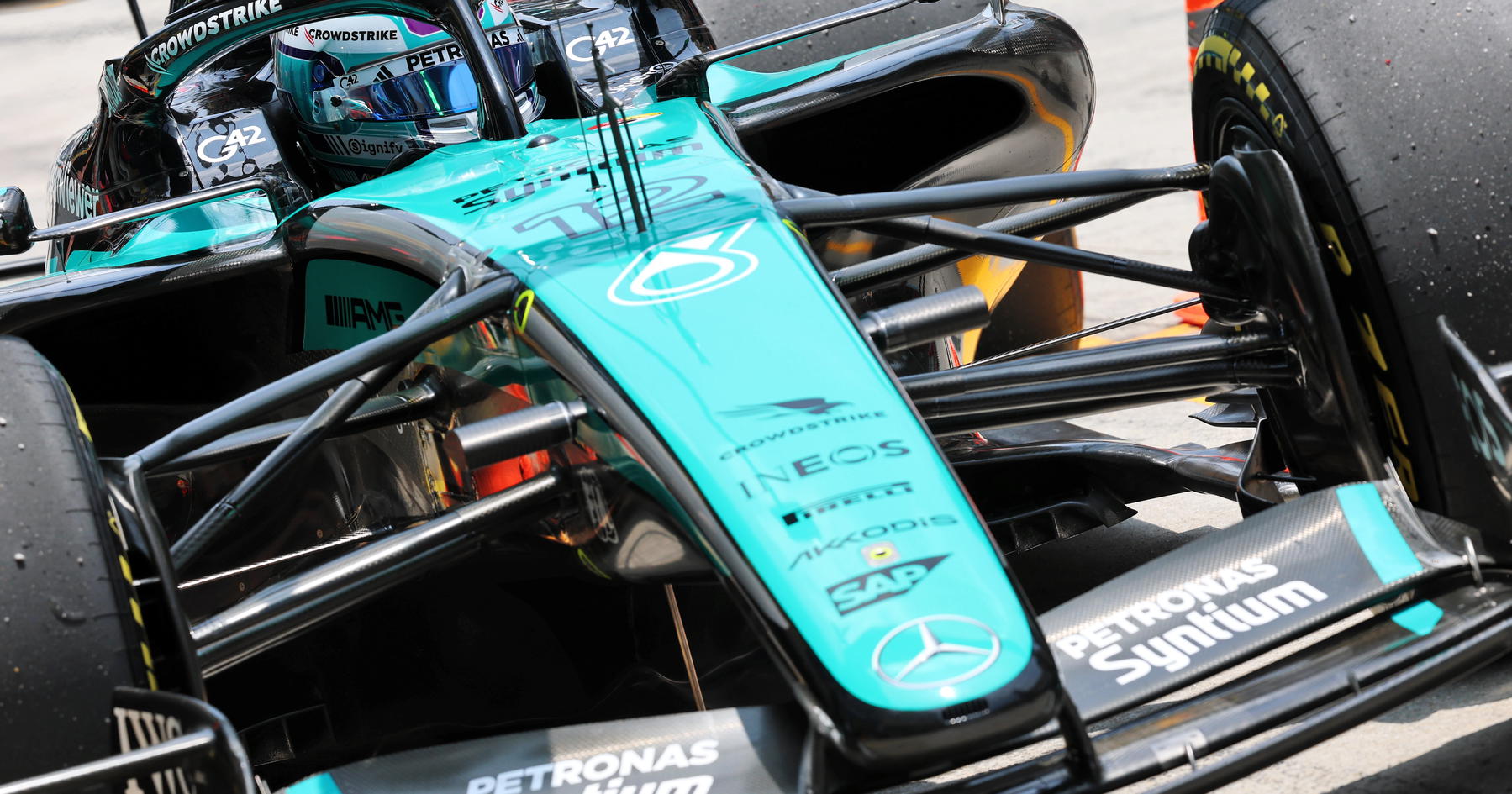
Mercedes' heavily revised W17 produced a frustrating opening day at Sepang, with George Russell and Kimi Antonelli finishing seventh and eighth in FP2. Road and Track reported the team brought its first substantial upgrade since Canada, featuring revised sidepods, a new floor, and updated rear suspension. But severe tire overheating and degradation in hot conditions masked the package's true potential, leaving engineers scrambling before qualifying.
Russell warned that F1i tire problems appeared to be masking genuine performance gains. The drivers felt added downforce from the upgrades, yet the car struggled to capitalize on it. Neither driver completed a clean soft-tire lap in FP2 after errors in the final sector, so the team could not fully assess the W17's one-lap pace. Racing News 365 noted that Mercedes appeared to be an outlier for tire drop-off, a critical issue to solve before Saturday.
Why Malaysia Replaced Bahrain This Weekend
Sepang hosted this race in place of Bahrain, which could not stage its round because of the ongoing conflict in the Middle East. The schedule shift meant Mercedes and all teams had to adapt their preparations to a different track with different characteristics. Hot, humid conditions at Sepang proved particularly punishing for tire management on a circuit most teams rarely visit.
Validation Day Did Not Answer Key Questions
Mercedes used FP1 to validate the new package by running at constant speed, comparing track data against simulation predictions. Sports Yahoo reported that the team prioritized consistency testing over single-lap pace, a deliberate choice on opening day. But the session left major questions unanswered about how the upgrades performed in qualifying trim and race conditions.
FP2 was supposed to reveal the true picture. Instead, tire problems dominated the narrative. Russell said setup changes were needed, and Head Topics reported that Toto Wolff expressed confusion over the lack of pace despite the major upgrades. The circuit's unfamiliarity compounded the difficulty, making it hard to isolate whether the package itself fell short or tire management was the real culprit.
Tire Overheating Emerges as the Real Threat
Severe tire degradation in Sepang's heat became the session's defining problem. Russell received a team radio warning that Mercedes appeared to be an outlier for tire drop-off compared to rivals. F1i reported the issue was serious enough to demand urgent engineering attention before qualifying. The question now is whether the upgrade's aerodynamic package creates excessive tire load or if it simply needs better cooling management in tropical conditions.
Downforce Gains Hiding Beneath Tire Struggles
Both drivers confirmed they felt the added downforce from the revised sidepods and new floor. But that improvement could not translate to pace because tires were overheating and losing grip too quickly. Road and Track and Racing News 365 both highlighted the cruel irony: the upgrade appeared to work aerodynamically, yet tire management had become Mercedes' biggest vulnerability. Engineers must find a way to unlock the package's performance without cooking the rubber.
Sentiment
Mostly NegativeNEGATIVENEUTRALPOSITIVE
Publishers
17
Articles
5
Reach
22
A
AnonymousAuthor


