Blood Sugar Management
New Studies Highlight Effective Medical and Lifestyle Strategies for Managing Blood Sugar
Anonymous
Key Points
1
The statin analysis used nationwide Danish registry data from 2006 to 2019 and included 132,585 statin-naive people with newly diagnosed type 2 diabetes. Researchers compared dementia outcomes among those who started statins with those who did not begin treatment within five years.
2
Researchers framed the possible dementia benefit as part of broader cardiovascular-risk prevention rather than as proof that statins directly prevent dementia. Tummas Ternhamar said the study was motivated by the absence of a dementia cure and the possibility of targeting risk factors such as diabetes and elevated LDL cholesterol.
3
Examples of evening snacks described as potentially producing a steadier glucose response include plain, preferably higher-fat Greek yogurt; milk paired with a banana, particularly a greener banana containing more resistant starch; and an apple paired with nut butter. The article attributes these effects to combinations of protein, fiber and fat that can slow gastric emptying and carbohydrate absorption.
4
Several fruits were identified as having more fiber than an apple: guava was described as containing roughly twice as much fiber, while passion fruit provides a serving close to the general daily fiber recommendation. The article also cautions that canned pears may contain added sugars and carbohydrates from juice or syrup.
5
Meal-sequencing guidance is based on the idea that fiber, protein and fat should be eaten before carbohydrate-rich foods because they slow stomach emptying and the conversion of carbohydrates into glucose. Experts cited in the article say the approach may affect not only post-meal blood sugar but also satiety, digestion and energy levels.
New research reveals multiple ways to manage blood sugar and reduce diabetes risks through everyday changes. A Verywell Health study found that just four 1-minute bursts of exercise per day — including simple moves like marching in place — can help people with type 2 diabetes control blood sugar after meals. Meanwhile, other strategies from nutrition to medication are gaining scientific support.
A randomized trial of 460 low-income adults with poorly controlled type 2 diabetes showed that medically tailored groceries combined with nutrition counseling improved average blood sugar levels, food security, and overall nutrition compared with standard care. The findings suggest that practical, accessible interventions can make a real difference for people managing this chronic condition.
Seated Movements and Brief Exercise Bursts Work
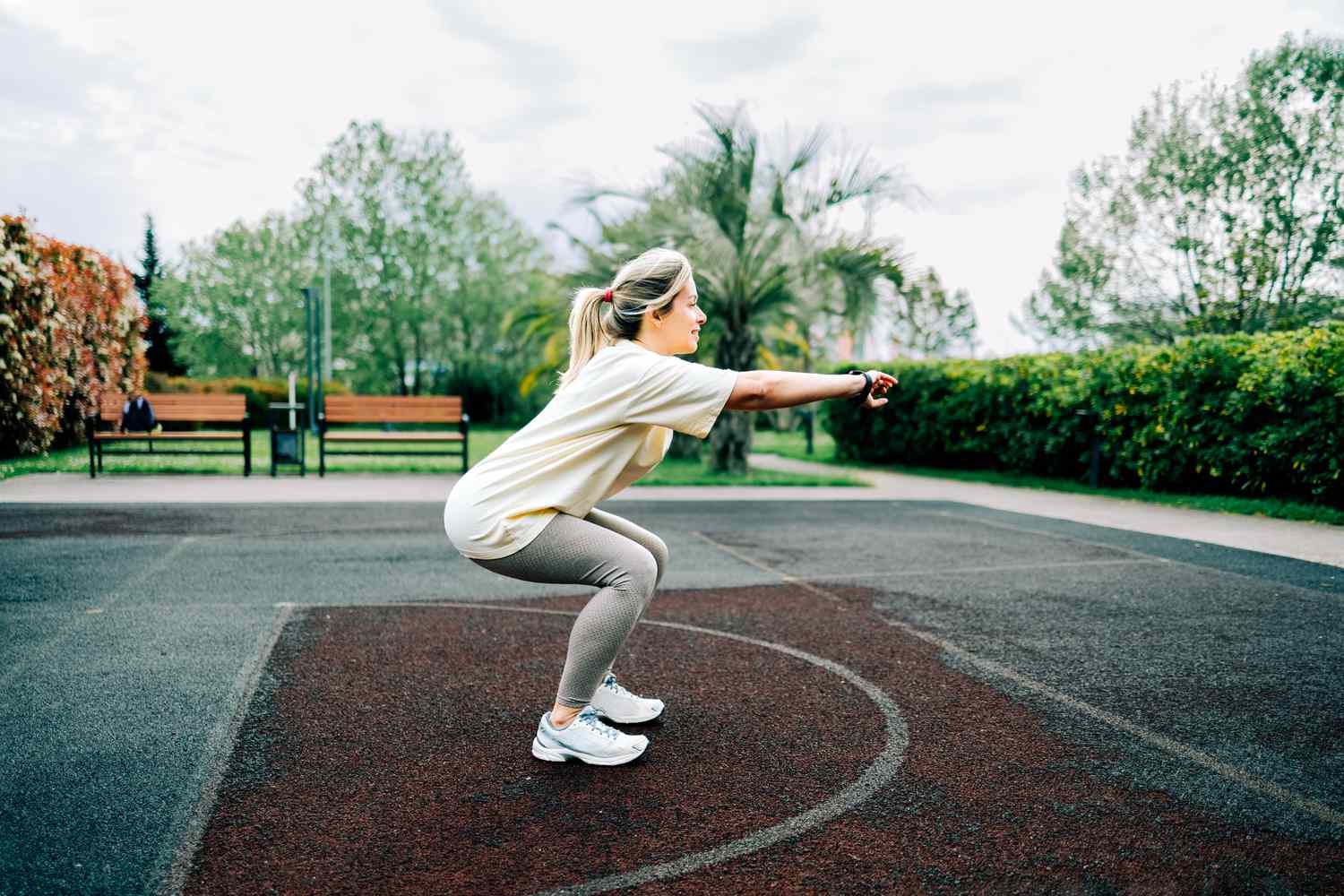
Simple exercises done while sitting or standing may reduce blood sugar spikes after meals. Verywell Health reports that four 1-minute exercise sessions daily — such as marching in place, doing soleus push-ups, or brief lower-body resistance work — can significantly help people with type 2 diabetes control glucose levels. Even passive stretching showed promise in recent research.
These seated movements work by engaging muscles that use glucose for energy. The approach is especially valuable for people who cannot do intense exercise. However, researchers stress that more evidence is still needed to fully understand which movements work best and for whom.
Eating With Others Lowers Blood Sugar Spikes
Social connection during meals may naturally lower blood sugar levels. Purdue Exponent and KULR8 reported on research from Hebrew University of Jerusalem showing that eating with a loved one reduces blood glucose spikes after meals. The social and emotional benefits appear to complement the physical act of eating itself.
This finding connects two important health outcomes: better blood sugar control and improved mental health. The mechanism likely involves reduced stress and slower eating pace when dining socially, both of which can moderate glucose responses.
Meal Order and Snack Choices Matter for Glucose Control
The sequence in which you eat foods affects blood sugar response. Eating fiber, protein and fat before carbohydrates slows stomach emptying and glucose absorption. Examples of steadier-glucose evening snacks include Greek yogurt with nuts, a banana with milk, or an apple with nut butter — combinations that pair protein and fat with carbs.
Some fruits deliver more fiber than others. Guava contains roughly twice the fiber of an apple, while passion fruit provides a full serving close to daily fiber recommendations. Canned pears should be avoided if they contain added sugars from juice or syrup. Meal sequencing may also improve satiety, digestion and energy levels throughout the day.
Statins Linked to Lower Dementia Risk in New Analysis
A large Danish registry study tracked 132,585 people with newly diagnosed type 2 diabetes from 2006 to 2019. Researchers compared dementia outcomes between those who started statins and those who did not begin treatment within five years. Early statin use was associated with lower dementia risk, researchers reported.
Experts frame this benefit as part of broader heart-disease prevention rather than proof that statins directly prevent dementia. The study was motivated by the lack of a dementia cure and the opportunity to target risk factors like diabetes and high LDL cholesterol. Individual treatment decisions should always involve a doctor's guidance.
Sentiment
Mostly PositiveNEGATIVENEUTRALPOSITIVE
Publishers
15
Articles
50
Reach
65
A
AnonymousAuthor


