Show Canceled Over Quotes
John Malkovich cancels his upcoming Tel Aviv performance after false promotional quotes.
Anonymous
Key Points
1
The canceled performance was scheduled for April 13, 2027, at Tel Aviv’s Charles Bronfman Auditorium, also known as the Tel Aviv Culture Hall.
2
The Music Critic was created from an idea by Russian-German Jewish musician Aleksey Igudesman, who appears in the production alongside Malkovich and other musicians; Malkovich portrays a critic who disparages famous classical composers while their works are performed.
3
The disputed remarks were circulated beyond the Jerusalem Post: Walla initially reported on Malkovich’s planned appearance, the Post republished the report, and the UK-based Jewish Chronicle also carried the attributed comments.
4
Malkovich said the Tel Aviv date was one stop on a tour through Europe and the Middle East and explained that he has long performed in countries whose governments or cultures he did not share, viewing such appearances as opportunities to observe, listen, learn and discuss art rather than endorse official views.
5
Malkovich concluded his statement with a pointed warning about unauthorized quotations: “Only playwrights, authors and screenwriters can put words in my mouth,” he said, adding that even they may do so only in service of storytelling and that no one else can do it without his consent and consequences.
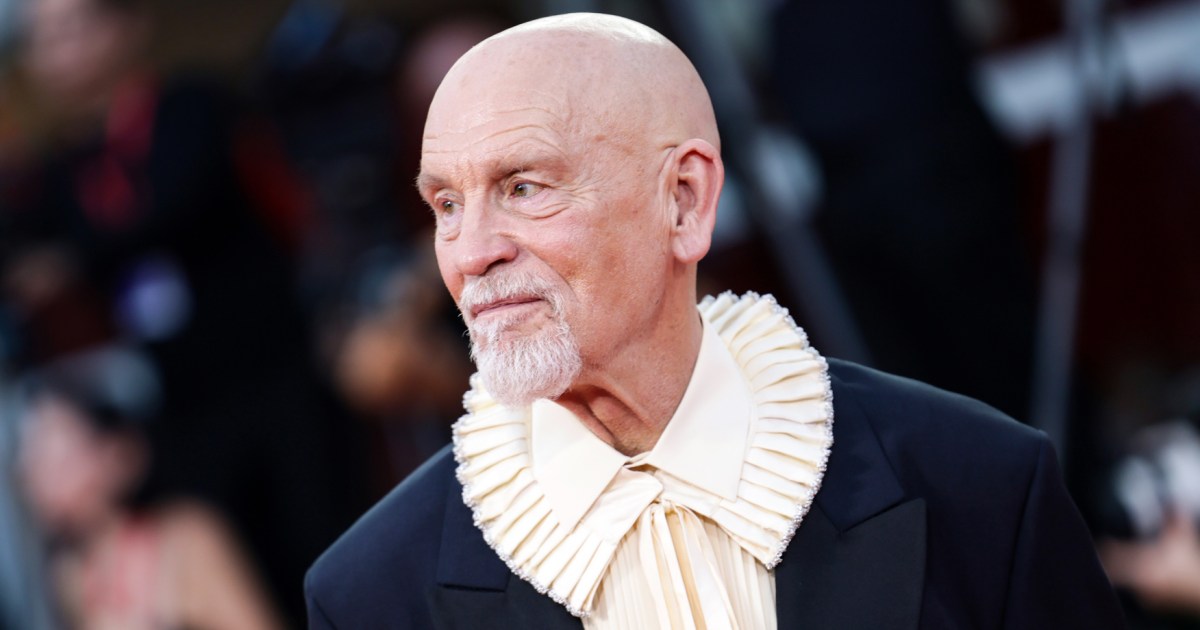
Actor John Malkovich canceled his April 13, 2027, performance of *The Music Critic* in Tel Aviv after a promotional press release falsely attributed statements to him expressing solidarity with Israeli audiences. NBC News reported that Malkovich said he never made, approved, or was consulted about the quotes, calling their publication unacceptable. He emphasized that performing in any country does not mean endorsing its government, policies, or political causes.
The Israeli public-relations firm apologized for the error, and the Jerusalem Post removed the disputed quotation after confirming it was fabricated. Malkovich issued a firm warning about unauthorized statements: "Only playwrights, authors and screenwriters can put words in my mouth," he said, stressing that no one else may do so without his consent and consequences.
How a Press Release Triggered the Cancellation
The trouble began when a promotional firm circulated quotes attributed to Malkovich expressing enthusiasm for performing in Tel Aviv. Washington Times confirmed that the actor was unaware of these statements and never approved them. The false attribution claimed Malkovich felt "solidarity" with Israeli audiences—language that, in a politically polarized context, carried implications of political endorsement beyond simple artistic engagement.
Daily Mail reported that multiple outlets republished the fabricated quotes, amplifying the error across media platforms. The Jewish Chronicle, a UK-based publication, also carried the attributed comments. By the time corrections emerged, the unauthorized statements had shaped public perception of Malkovich's position on Israel.
What *The Music Critic* Performance Entailed
Coming Soon noted that *The Music Critic* is a satirical production blending classical music with harsh, comedic criticism of famous composers. Created by Russian-German Jewish musician Aleksey Igudesman, the show features Igudesman alongside Malkovich and other musicians. Malkovich's role: a theater critic who disparages celebrated composers while their works play live.
The performance was scheduled for Charles Bronfman Auditorium in Tel Aviv, also known as the Tel Aviv Culture Hall. It was one stop on a broader European and Middle Eastern tour. The April 2027 date would have marked Malkovich's return to Israel for a major stage production.
Malkovich's Defense of Artists Performing Abroad
Malkovich made clear in his statement that performing in a country does not equal endorsing that nation's government or policies. He noted that he has long accepted engagements in countries whose systems or cultures he did not share. For him, such appearances represent chances to observe, listen, learn, and discuss art—not to take political sides.
By canceling after unauthorized quotes circulated, Malkovich signaled that protecting control over his public statements was more important than honoring the booking. The incident underscores how false attribution can erase the distinction artists try to maintain between cultural participation and political solidarity, forcing them to withdraw rather than risk their reputational identity.
Sentiment
Mostly NegativeNEGATIVENEUTRALPOSITIVE
Publishers
16
Articles
66
Reach
82
Topics
A
AnonymousAuthor


