Simplifying Estate Sales
Experts Share Essential Tips for Navigating Estate Sales and Emotional Clutter
Anonymous
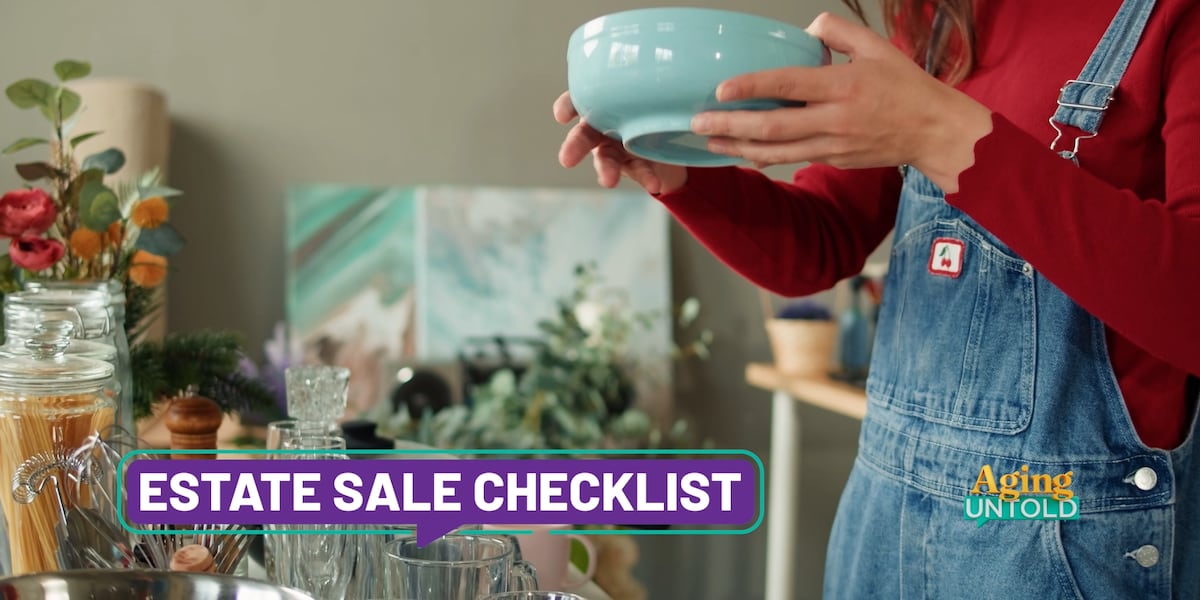
Estate sales involve far more than just moving boxes. They mix logistics, emotions, and family history into one complex task. Aging Expert Amy O'Rourke notes that most people delay far longer than they should, often due to financial concerns and emotional avoidance. The real challenge isn't the physical work — it's knowing when to start and what truly matters.
Hidden treasures often sit in attics and closets for years. New technology now makes it easier to discover what items are worth before holding a sale. Experts recommend setting clear deadlines and separating everyday items from cherished memories early on. Starting the process sooner rather than later reduces stress and gives families time to make thoughtful decisions.
Why Most People Wait Too Long
Procrastination is the biggest hurdle in estate planning. Amy O'Rourke says financial worries and emotional hesitation keep people stuck. Katherine Ambrose, an aging-well coach, notes that long timelines often signal avoidance rather than careful planning. Some families use "more time" as an excuse to dodge the work entirely. The result: rushed decisions under pressure later.
Setting a firm deadline breaks the cycle of delay. Katherine Ambrose recommends families pick a concrete date and stick to it. This approach forces action instead of endless postponement. Without a deadline, the work simply doesn't happen — year after year.
Video and Memories Help Families Decide
Katherine Ambrose suggests using video to help family members sort through belongings remotely. Recording items and their stories makes decisions easier for relatives who can't attend in person. Video captures not just what an object is, but why it mattered. This approach reduces conflict and helps everyone feel heard.
Keeping memories separate from inventory matters. Sam Cradduck, a gerontologist, urges families to distinguish between everyday items and cherished mementos early. Memory items often hold sentimental value no appraiser can measure. Treating them differently from furnishings keeps the process less overwhelming and more respectful of family history.
Know Your Items' Value Before Selling
Many people discover hidden value in their homes after a professional assessment. Antiques, collectibles, and vintage items can fetch serious money if you know what they are. Sam Cradduck recommends learning item values ahead of time. This prevents leaving money on the table at a sale.
Technology has made valuation easier than ever. Online databases and mobile apps let you research prices quickly. Professional appraisers can identify rare or valuable pieces your family never realized mattered. Spending time on research upfront saves both money and regret later. What looks like junk might actually be a treasure worth hundreds or thousands of dollars.
A Practical First Step for Families
Start by making three piles: sell, keep, and donate. Sam Cradduck says this simple sorting makes the work less daunting. Focus on one room at a time rather than the whole house. Break it into small tasks so the project feels manageable instead of overwhelming.
Planning an estate sale works best as a team effort. Involve family members early and often. Share decisions, not just the burden. When everyone has input, the process feels fairer and moves faster. Start today — even just an hour spent organizing makes a real difference.
Sentiment
NeutralNEGATIVENEUTRALPOSITIVE
Publishers
23
Articles
22
Reach
23
A
AnonymousAuthor


