Cambridge R&D Boost
GSK shifts UK R&D to Cambridge, investing £400M to accelerate drug pipeline and collaboration.
Anonymous
Key Points
1
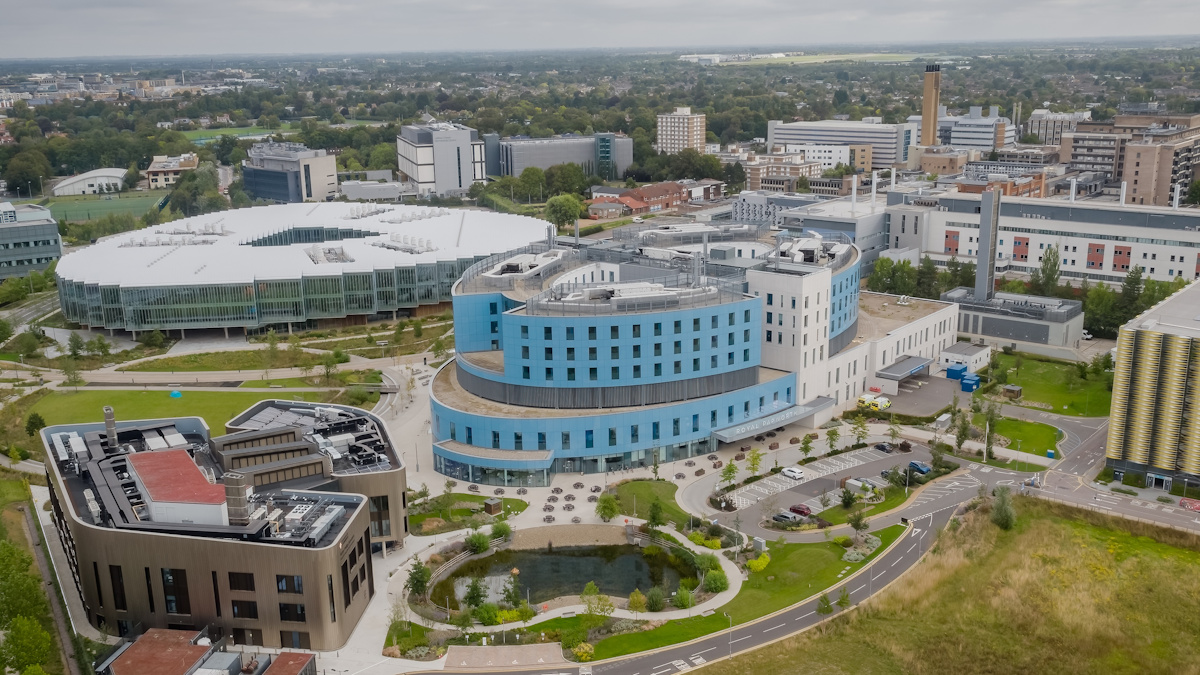
The Cambridge flagship R&D centre will be built on the Cambridge Biomedical Campus by Prologis, forming part of one of Europe’s largest biomedical campuses, with the site embedded in a broader ecosystem that includes more than 22,000 people employed on campus, around 37,000 daily visitors, and active collaborations such as the Cambridge Centre for Data-Driven Discovery and various GSK translational initiatives.
2
To fund the expanded pipeline, GSK is targeting £1.9 billion in annual savings by 2029 as part of a £400 million investment, with savings expected to come from areas including support services and a planned upgrade to the Ware site.
3
GSK plans to accelerate its pipeline by launching up to 20 phase 3 trials, aiming to bring more medicines to late-stage development and offset the impact of upcoming exclusivity expiries on profitable drugs.
4
Staffing and relocation details include about 1,800 staff at Stevenage today, with Cambridge set to host more than 1,000 scientists; staff will move in phases through 2029 as Stevenage closes, and some Stevenage personnel will relocate to the Ware site.
GSK is closing its long-standing R&D hub in Stevenage, Hertfordshire, and moving the bulk of its UK research operations to a new 300,000-square-foot facility on the Cambridge Biomedical Campus, according to pharmaphorum and Ely Standard. The new site will house more than 1,000 scientists and serve as GSK's flagship UK research centre for oncology, respiratory, hepatology, vaccines, and HIV.
Staff will move in phases through 2029 as Stevenage closes. The shift is part of a £400 million investment drive, with GSK targeting £1.9 billion in annual savings by 2029 to fund an expanded pipeline, according to Ely Standard.
Stevenage Closes as Cambridge Becomes GSK's UK Base
Around 1,800 staff currently work at the Stevenage site. More than 1,000 of them are expected to move to Cambridge. Some will relocate instead to the Ware site in Hertfordshire, which GSK also plans to upgrade, according to Ely Standard. The new Cambridge building will be constructed by Prologis, a property developer.
The Cambridge Biomedical Campus already employs more than 22,000 people and receives around 37,000 daily visitors. GSK says being on the campus puts its scientists next to universities, hospitals, and biotech partners. That proximity is seen as key to speeding up how quickly new drugs move from early research to late-stage trials, pharmaphorum reported.
£1.9 Billion Savings Target to Fund Pipeline Push
GSK is cutting costs hard to pay for its growth ambitions. The company is targeting £1.9 billion in annual savings by 2029. Savings will come from areas including support services and the consolidation of sites, according to Ely Standard. The £400 million investment covers the Cambridge build and upgrades at Ware.
The cost-cutting push comes as GSK faces expiring exclusivity on some of its most profitable drugs. That means rivals can launch cheaper copies, eating into revenue. To offset that, GSK plans to launch up to 20 phase 3 trials — the final stage before a drug can seek approval — to build a stronger future pipeline, pharmaphorum reported.
CEO Frames Move as Catalyst for Faster Drug Discovery
Chief executive Luke Miels has framed the Cambridge move as more than a property decision. He called it a catalyst to speed up medicine discovery and keep GSK competitive. Being inside Europe's leading life sciences cluster — sometimes called the Golden Triangle, linking London, Oxford, and Cambridge — is central to that strategy, according to pharmaphorum.
GSK already runs translational research initiatives and is linked to the Cambridge Centre for Data-Driven Discovery. The new hub is designed to deepen those ties. The company says it wants faster translation — meaning moving ideas from the lab to real patients more quickly — as a core part of reaching its long-term revenue goals, Ely Standard reported.
Sentiment
Mostly PositiveNEGATIVENEUTRALPOSITIVE
Publishers
23
Articles
87
Reach
110
A
AnonymousAuthor


