Invasive Aedes aegypti Mosquitoes Breed in East London for First Time
Invasive Aedes aegypti Mosquitoes Breed in East London for First Time
Anonymous
Key Points
1
This detection marks the fourth modern-day detection of Aedes aegypti in the UK in recent years, highlighting repeated incursions rather than a single isolated event.
2
Eggs were discovered in a trap at a freight depot, indicating a potential importation pathway and the presence of eggs in transport hubs.
3
In some reports, breeding has been observed inside homes in east London, suggesting that infestations may occur in indoor environments as well as outdoors.
4
Experts say warming summers and broader climate change could accelerate the species' ability to establish in Britain, with earlier timelines than previous modelling suggested (previously thought unlikely before 2040).
5
Some European regions report that Aedes aegypti can currently survive only in the Mediterranean, underscoring the climate constraints on long-term establishment in the UK.
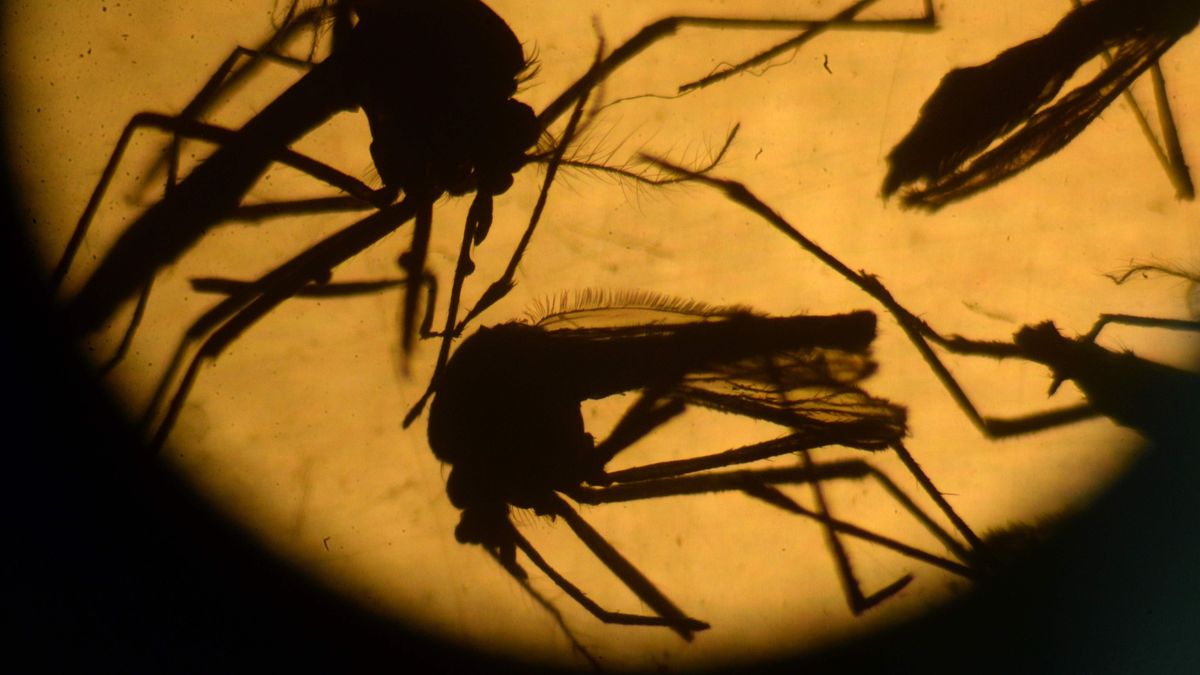
Aedes aegypti mosquitoes have been found breeding in east London for the first time, according to UK Health Security Agency. These invasive insects can transmit dengue, Zika, chikungunya, and yellow fever. The discovery marks the fourth modern detection of the species in the UK, but officials say immediate public health risk remains low. UK Health Security Agency has launched control measures and stepped up surveillance through its Mosquito Watch program.
The mosquitoes likely hitchhiked into Britain via vehicles, luggage, and imported plants, highlighting how accidental introductions happen regularly. Warming summers and climate change could eventually allow the species to survive UK winters and establish permanently. Experts warn that repeated incursions may increase as temperatures rise, potentially accelerating the timeline for long-term establishment from previous estimates of 2040 or later.
First Breeding Discovery Triggers Rapid Response
UK Health Security Agency confirmed that Aedes aegypti eggs and larvae were discovered breeding at residential properties in east London. Eggs were trapped at a freight depot, revealing a potential importation pathway through transport hubs. Officials immediately moved to destroy larvae and prevent the species from establishing a foothold. This breeding event represents a major milestone for the invasive mosquito in the UK, though current conditions remain unfavorable for long-term survival.
Repeated Incursions Show Pattern of Accidental Imports
This is not the first time Aedes aegypti has appeared in the UK. The detection marks the fourth modern-day incursion in recent years, Newsy Today reported. The mosquitoes hitchhike into Britain through vehicles, baggage, and imported plants from warmer regions where the species thrives. Each arrival poses a small risk of breeding, but previous conditions have been too cold for the insects to survive winters.
Climate Change May Speed Up Mosquito Establishment
Rising temperatures could fundamentally change the threat level. Warmer summers would allow Aedes aegypti to breed more successfully and survive through milder winters. Previous modeling suggested the species could not establish in the UK before 2040. But experts now warn that accelerating climate change and more favorable conditions may compress that timeline considerably, increasing both the frequency of arrivals and the likelihood of permanent populations.
Currently, Aedes aegypti can survive in Europe only in the Mediterranean region. This geographic limit underscores how fragile any UK establishment would be under present conditions. However, if warming continues, the species' range could expand northward, bringing a disease vector for dengue, Zika, and other tropical illnesses closer to Britain's population.
Disease Risk Remains Low, But Monitoring Continues
There is no evidence of human infections from this breeding population. UK Health Security Agency says the immediate public health risk is very low. Surveillance and larval control efforts are designed to prevent any outbreak before it starts. Officials are now monitoring homes and freight hubs in east London to catch any new mosquitoes quickly and destroy them before they spread.
Sentiment
Mostly NegativeNEGATIVENEUTRALPOSITIVE
Publishers
17
Articles
47
Reach
64
A
AnonymousAuthor


