Starbucks Xinjiang Expansion Controversy
Starbucks Faces Growing Backlash Over Its New Store Openings in Xinjiang
Anonymous
Key Points
1
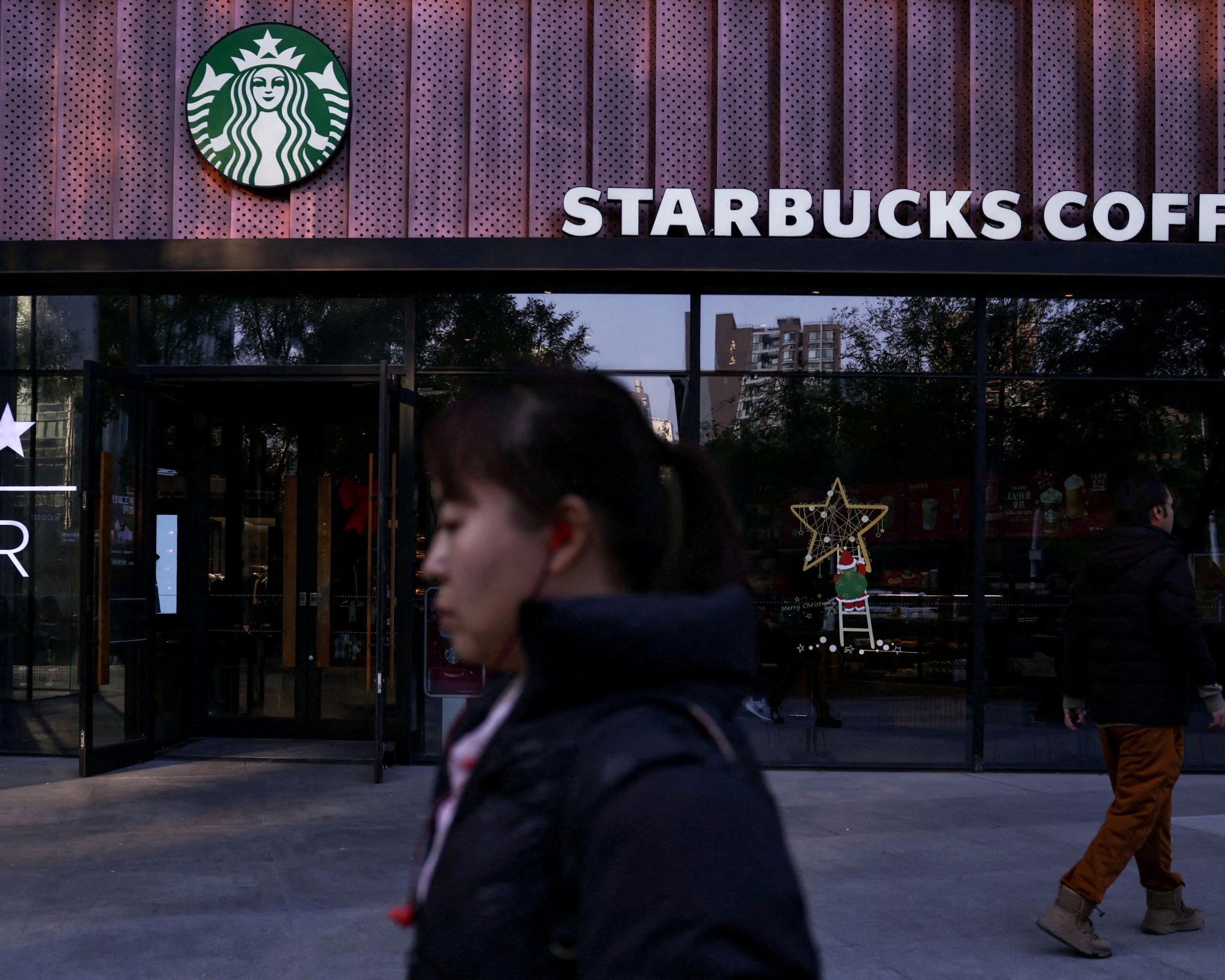
The two Urumqi stores opened at the city’s Grand Bazaar and international airport. Videos showed long queues at the Bazaar location, where influencers highlighted a special-edition “milk-skin-flavoured salty milk tea.”
2
Photos of the stores posted on Starbucks’ Chinese social-media platform showed signs in English and Chinese, but no obvious Uyghur-language signage, even though Uyghur is meant to have official parity in Xinjiang.
3
The World Uyghur Congress urged Starbucks to “stand on the right side of history,” while Human Rights Watch’s Maya Wang said the stores’ presence “fits in the party-state’s narrative, that there’s nothing wrong about the region.”
4
The United Nations has warned that abuses in Xinjiang may amount to crimes against humanity, including the detention of more than a million Uyghurs and other Muslim minorities in camps.
Starbucks has opened its first two stores in Xinjiang's capital, Urumqi, marking the coffee chain's expansion into a region at the center of a major human-rights dispute. US House Select Committee on China chair John Moolenaar called the move "morally bankrupt" and urged closure, citing concerns about repression of Uyghurs and other Muslim minorities. Starbucks China CEO Liu Wenjuan said the company plans to keep investing in the region and sees the stores as a way to connect with local customers.
The two locations — one at Urumqi's Grand Bazaar and another at Tianshan International Airport — drew long queues, with influencers promoting a special-edition "milk-skin-flavoured salty milk tea." The expansion has intensified debate over whether major companies should operate in Xinjiang, where the United Nations has warned that abuses may amount to crimes against humanity.
US Lawmakers Call Move 'Morally Bankrupt'
House Select Committee on China chair John Moolenaar condemned Starbucks' decision as normalizing business in a region accused of severe human-rights violations. The Washington Times reported that US lawmakers urged the coffee chain to close its Xinjiang stores immediately. The move comes as global scrutiny of corporate operations in the region intensifies.
Human-Rights Advocates See Narrative Shift Risk
Human Rights Watch researcher Maya Wang said the stores' presence helps Beijing's narrative that "there's nothing wrong about the region." The World Uyghur Congress urged Starbucks to "stand on the right side of history" and reconsider its expansion. These groups worry that major corporations operating in Xinjiang lend legitimacy to government policies in the region.
Uyghur Language Missing From Store Signage
Photos of the Urumqi stores show signs in English and Chinese but no visible Uyghur-language signage, despite Uyghur being meant to have official parity in Xinjiang. Trending on Weibo documented the store openings and promotional materials. This detail has drawn additional criticism from human-rights advocates who view it as another sign of cultural suppression in the region.
Beijing Rejects Claims; Starbucks Vows to Stay
China's government rejects human-rights allegations and says its policies address terrorism and extremism. Starbucks CEO Liu Wenjuan committed to continued investment in Xinjiang through its joint venture, in which Boyu Capital holds a controlling stake. The United Nations has documented detention of more than one million Uyghurs and other Muslim minorities in camps, though Beijing disputes these figures.
Sentiment
Mostly NegativeNEGATIVENEUTRALPOSITIVE
Publishers
22
Articles
76
Reach
98
A
AnonymousAuthor


