Amorim Hits Back
AC Milan Manager Ruben Amorim Criticizes Former Manchester United Pundits Over Past Criticism
Anonymous
Key Points
1
Amorim was appointed by Manchester United in November 2024 as Erik ten Hag’s replacement, following a successful spell at Sporting CP.
2
In his first season at United, Amorim finished 15th in the Premier League and lost the Europa League final to Tottenham.
3
Before his dismissal, Amorim acknowledged United were underachieving, saying: “We should have more points, especially this season. So I take that naturally,” while arguing that former players did not always have all the information about the club’s circumstances.
4
Amorim said AC Milan’s players must not lose sight of the club’s identity and priorities: “I do not want my players to forget the importance of playing for and winning for AC Milan.” He added that victory in the next match against Lazio would help secure more time to develop the team.
Ruben Amorim, now managing AC Milan, has renewed his criticism of former Manchester United players turned pundits, saying they judge the club against a The State 'completely different' era under Sir Alex Ferguson. His comments come after a difficult 14-month tenure at Old Trafford that ended with just 24 wins in 63 matches and United's worst Premier League finish in years.
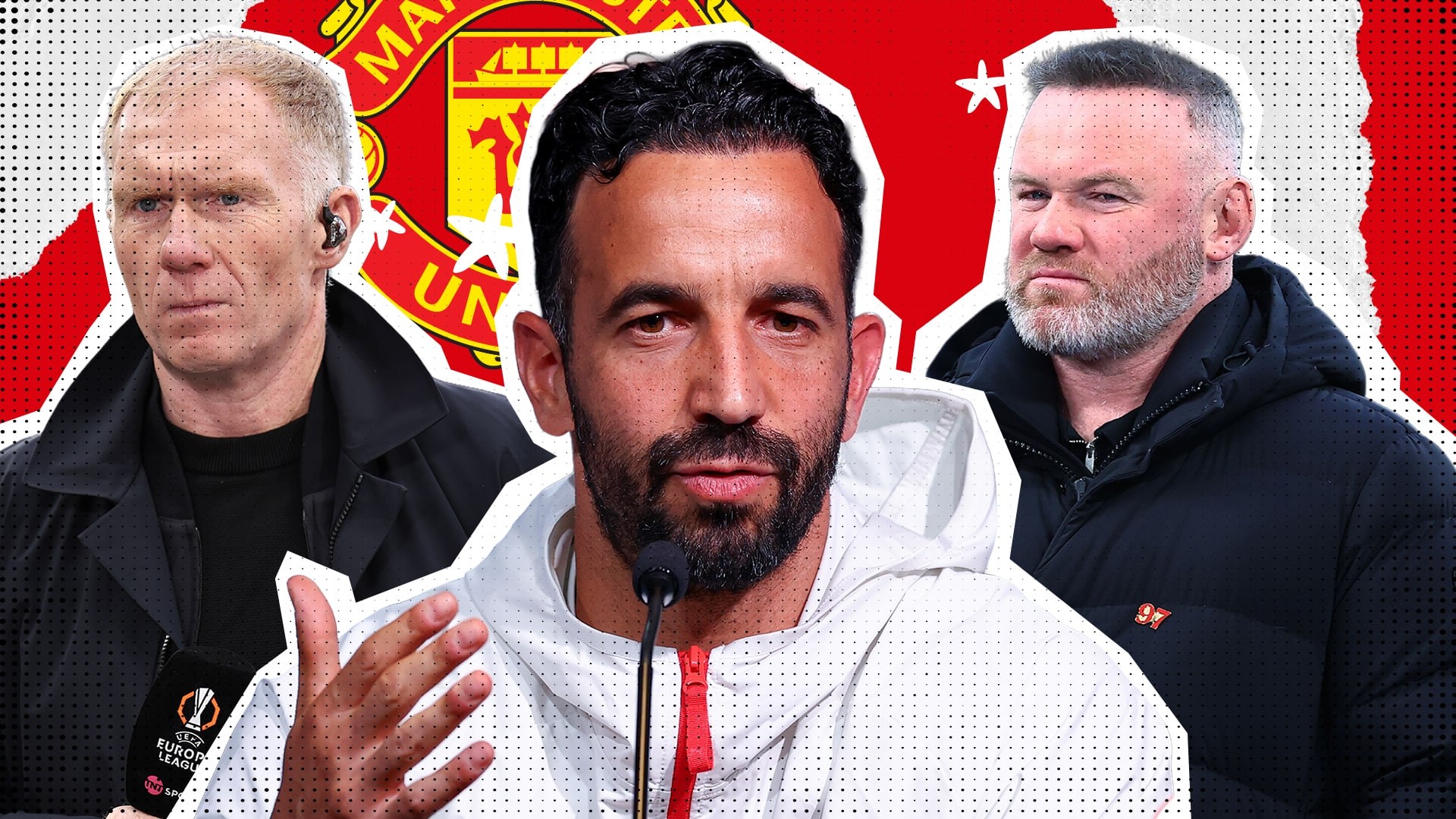
Amorim, unbeaten in his first three Serie A matches with Milan, argues that critics like Paul Scholes, Gary Neville, Wayne Rooney, Roy Keane and Nicky Butt lack full information about United's current circumstances. He insists rebuilding an elite club takes time, though results remain essential to earn patience.
Amorim's Short Reign at Manchester United
Amorim arrived at United in November 2024 as a replacement for Erik ten Hag. He came after success at Sporting CP, but his time at Old Trafford proved difficult. According to Herald Sun, he finished 15th in the Premier League and lost the Europa League final to Tottenham in his first season.
His win rate stood at just 38.1% across 63 games. Before his departure, Amorim acknowledged the underperformance, saying United 'should have more points, especially this season.' Yet he maintained that former players did not always understand the club's full situation and constraints.
Ferguson's Shadow Over Manchester United
Many United legends became prominent during Ferguson's trophy-laden era. They watched the club dominate the Premier League and regularly compete in Europe. That success created a high benchmark for judging any new manager. United has now gone 13 years without a league title, widening the gap between historical expectations and current reality.
Amorim argues these former players compare present circumstances to an unrealistic standard. San Luis Obispo reported that Amorim says the pundits 'talk a lot' but miss key context about modern finances and organizational challenges. He suggests they overlook how different today's Manchester United is from Ferguson's powerhouse.
Building a Winning Culture Takes More Than Time
Amorim argues that elite clubs need stable foundations, clear standards and patience for choices to compound into results. He cited Arsenal, Juventus and Inter as examples of clubs requiring extended rebuilds. However, he also stressed that short-term improvement is essential to earn that long-term patience from supporters and executives.
At AC Milan, Amorim demands his players remain focused on the club's identity. 'I do not want my players to forget the importance of playing for and winning for AC Milan,' he said, according to Kansas. He believes a win against Lazio will help earn more time to develop the team's potential.
Punditry as Pressure and Accountability
Former players in the media create an informal accountability system at big clubs. Their credibility gives fans and executives quick interpretations of tactics and culture. The Olympian noted that Amorim's disputes with Scholes, Neville and other alumni show how criticism extends beyond the boardroom into public debate.
This visibility cuts both ways. It holds managers accountable but also intensifies pressure because criticism is delivered publicly and rooted in past standards. Amorim's conflict with United's pundit class highlights the challenge: building credibility while managing expectations shaped by a club's most successful period.
Sentiment
Mostly NegativeNEGATIVENEUTRALPOSITIVE
Publishers
13
Articles
32
Reach
45
A
AnonymousAuthor


