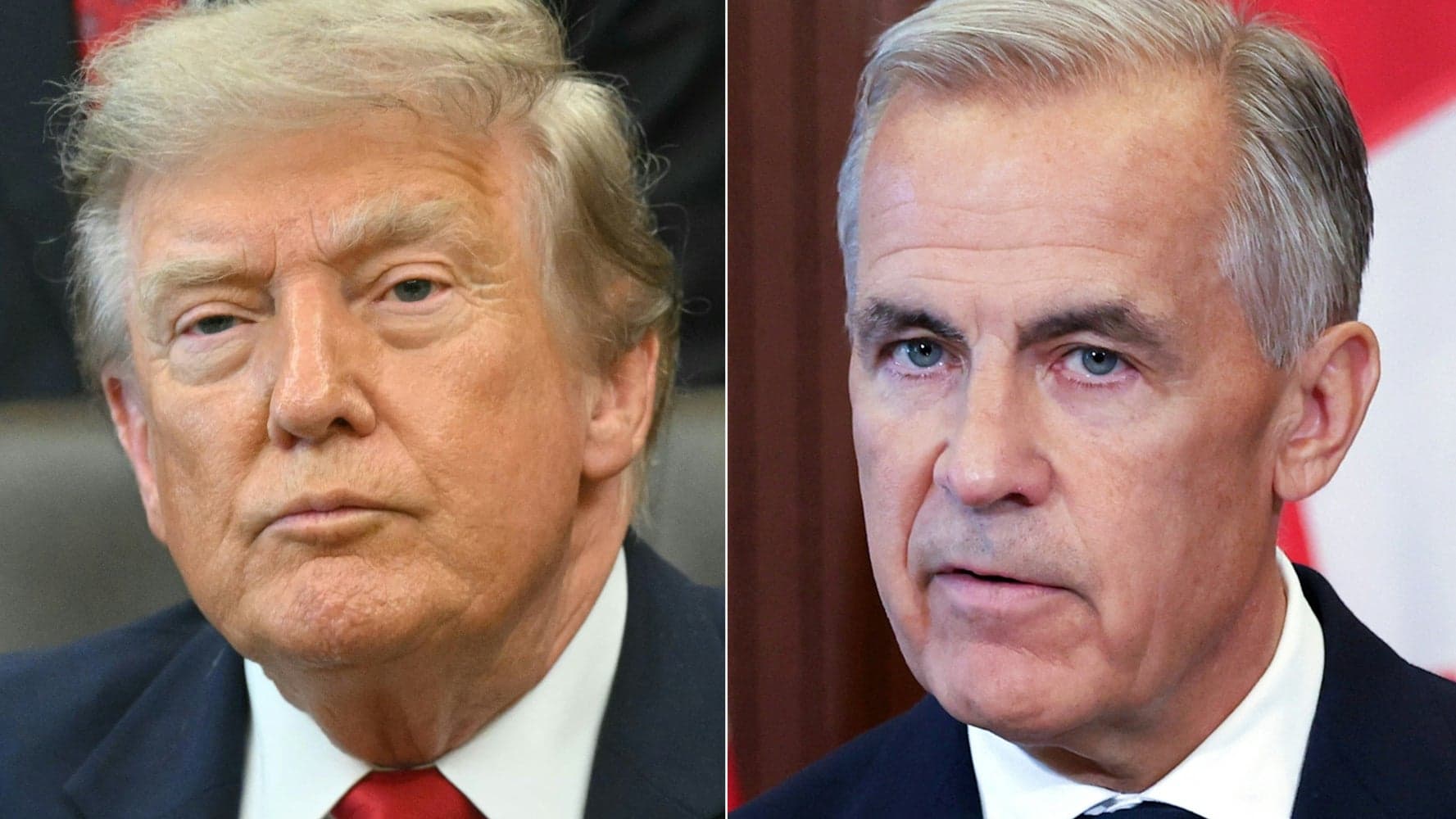
Trump’s Canada Trade War Pressures GOP Senate Races
Trump’s Canada Trade War Pressures GOP Senate Races
Anonymous
Trending on XElon Musk's America PAC ramps up get-out-the-vote ads in key Senate races
Key Points
1
Canada’s retaliation covers nearly $28 billion in U.S. exports, with tariffs of up to 50% matching the duties Trump imposed on Canadian goods.
2
Trump has defended the tariffs by arguing that the United States has been disadvantaged by its trade relationship with Canada, saying, “They don’t pay for anything, and they want to be treated like a state, but they’re not a state.”
3
Sen. Roger Marshall said he had raised the Bombardier issue directly with Trump, writing, “I’m going to fight to keep Bombardier’s over 1,200 Kansas jobs,” while also supporting the goal of shifting more aircraft manufacturing to Wichita.
4
Bombardier’s stock fell more than 2% after Trump threatened to block the company from selling aircraft in the United States unless it expanded U.S. production and stopped treating America like a “piggybank.”
5
Market volatility was also attributed to Treasury Secretary Scott Bessent’s fiscal “Operation Twist” strategy, while the discussion previewed the Republican Party’s midterm conventions—additional political and economic factors not detailed in the trade-focused coverage.
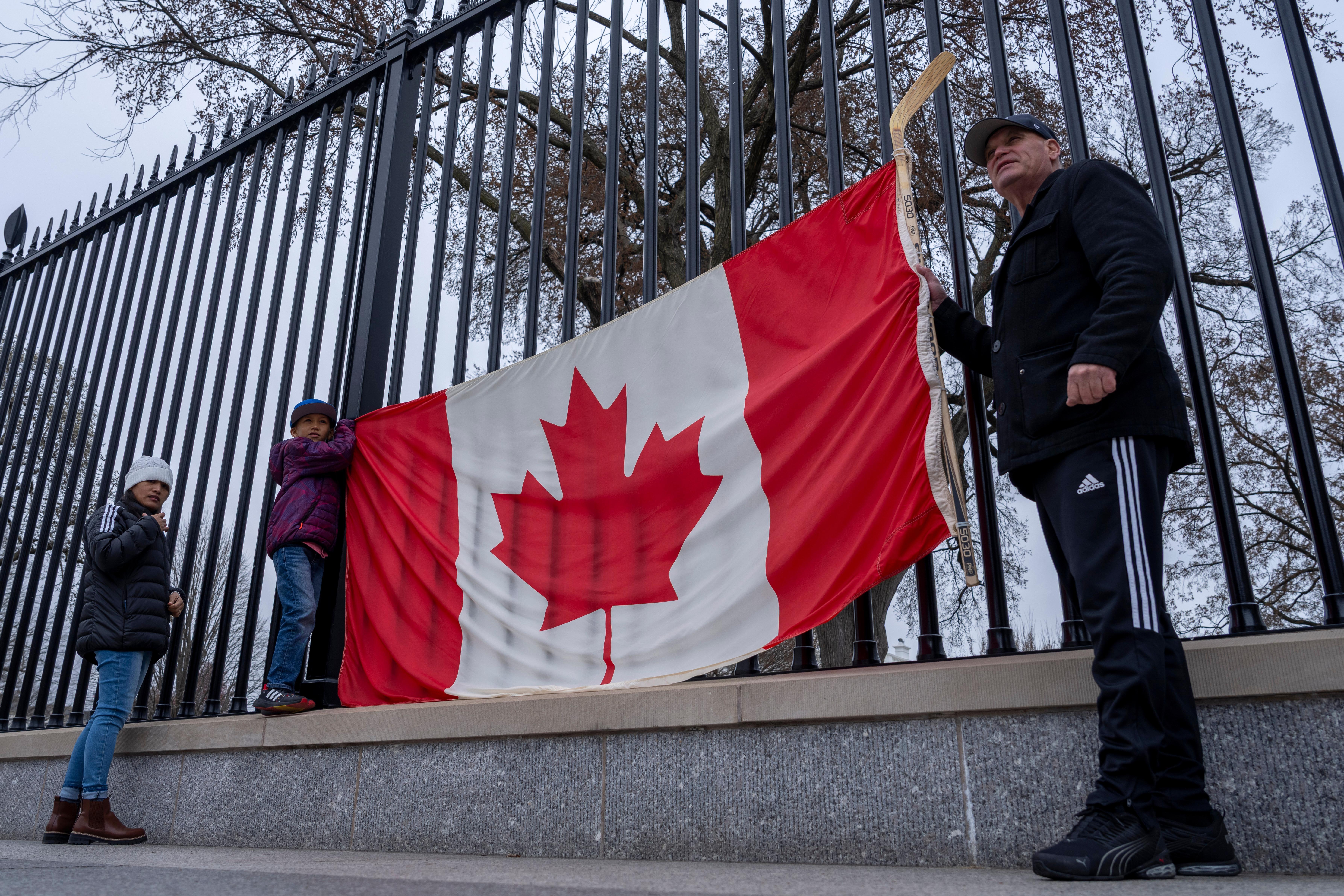
Canada's retaliatory tariffs on nearly $28 billion in U.S. exports are creating a political crisis for vulnerable Republican senators ahead of the midterm elections. The News Herald reports that Ottawa has strategically targeted products from competitive states—Ohio, Maine, and Kansas—where automobiles, machinery, and agricultural goods face steep tariffs up to 50%, matching Trump's duties on Canadian goods.
The trade war is forcing GOP candidates to balance two conflicting messages: backing Trump's protectionist agenda while defending jobs and industries now under fire. In Kansas, Trump's threat to block aircraft maker Bombardier from U.S. sales puts over 1,200 Wichita-area jobs at risk, pushing Republican Sen. Roger Marshall into the uncomfortable position of publicly challenging the president's policy.
Trump's Defense of Tariffs Meets Voter Inflation Concerns
Trump has defended the tariffs by arguing America gets a raw deal from Canada. He said, "They don't pay for anything, and they want to be treated like a state, but they're not a state." Yet voters remain deeply worried about high prices. The Oakland Press notes that Democrats are now blaming Republican incumbents for supporting Trump's agenda at a time when household budgets are already squeezed.
Kansas Aerospace Jobs Caught Between Trade and Politics
Bombardier's Wichita operations have become a flashpoint. Trump threatened to block the Canadian aircraft maker from U.S. sales unless it expanded American production and stopped treating the country like a "piggybank." The threat rattled markets—Bombardier's stock fell more than 2% immediately. The Morning Sun reports that Sen. Marshall wrote directly to Trump: "I'm going to fight to keep Bombardier's over 1,200 Kansas jobs," while backing the goal of shifting more aircraft manufacturing to Wichita.
Canada Targets Swing States to Maximize Political Pressure
Canada's retaliation strategy is surgical: hit exports concentrated in competitive districts and states where voters directly feel the pain. Ohio's machinery and auto plants, Maine's agriculture and lumber, and Kansas aerospace all represent visible constituencies that can pressure Republican candidates. Rising tariffs increase input costs for businesses and threaten layoffs, making trade policy personal for voters already sensitive to inflation.
The Ottawa Sun reports that even Canada's business community is urging de-escalation. Daniel Tisch, president and CEO of the Ontario Chamber of Commerce, has urged Prime Minister Mark Carney to reduce federal counter-tariff measures. The call signals that prolonged retaliation will hurt workers and employers on both sides of the border.
Market Volatility Compounds GOP Election Headwinds
The trade war is only part of the economic turbulence. Rising global oil prices tied to Middle East conflicts, uncertainty over agriculture and fiscal policy, and Treasury Secretary Scott Bessent's fiscal strategies are all driving market swings. This broader volatility makes it harder for Republicans to control their economic messaging—especially when households see gas prices, food costs, and job security all at risk simultaneously.
Sentiment
Mostly NegativeNEGATIVENEUTRALPOSITIVE
Publishers
14
Articles
26
Reach
40
A
AnonymousAuthor