White House Pressures Space Firms
White House Pressure Prompts U.S. Space Firms to Withdraw from Paris Summit
Anonymous
Trending on XTrump says US will seek back payment from Europe for Ukraine aid
Key Points
1
In addition to SpaceX, Blue Origin, Stoke Space and Starcloud, other firms on the private warning call included K2 Space and Astra, expanding the list of companies reportedly scrutinized for attending the Paris Space Summit.
2
France's space investment plan includes €4.2 billion for military space (2026–2030) and more than €16 billion for civil and dual-use space by 2030, underscoring a push for European-independent access to space.
3
The Paris summit is hosted at the Grand Palais and is co-hosted by France and Germany, with the event drawing roughly 120 foreign delegations.
4
Officials from the White House OSTP say the U.S. delegation will still include representatives from OSTP, NASA, State, and Commerce attending the summit, despite the private discouragement of participation.
5
Le Monde reported that SpaceX and Blue Origin canceled their participation, illustrating the palpable impact of the pressure on U.S. firms.
The White House Office of Science and Technology Policy privately warned major U.S. space companies that attending Emmanuel Macron's Paris Space Summit could signal support for EU policy and harm American interests. PressTV reported that SpaceX, Blue Origin, Stoke Space, and Starcloud heeded the pressure and withdrew from the event, prompting French officials to publicly note the interference.
The episode reveals growing tensions between the Trump administration and European allies over space competition, defense spending, and China strategy. Despite the discouraged corporate attendance, U.S. agencies including NASA will send delegations to the Paris summit, which draws nearly 120 foreign delegations to discuss space security and European independence.
White House Warns Companies Against Attending
The OSTP raised several objections in its private call with space firms. Officials claimed France did not coordinate the summit with Washington. They also alleged anti-competitive practices and worried American perspectives would be excluded from key panels. Yahoo News reported the administration insisted it issued no formal boycott order, but the messaging was clear.
K2 Space and Astra were also on the warning call, expanding the list of firms scrutinized for potential attendance. The White House press office framed the stance as protecting collaboration with allies—a soft warning that nonetheless prompted immediate corporate exits.
European Push for Space Independence Stirs U.S. Concern
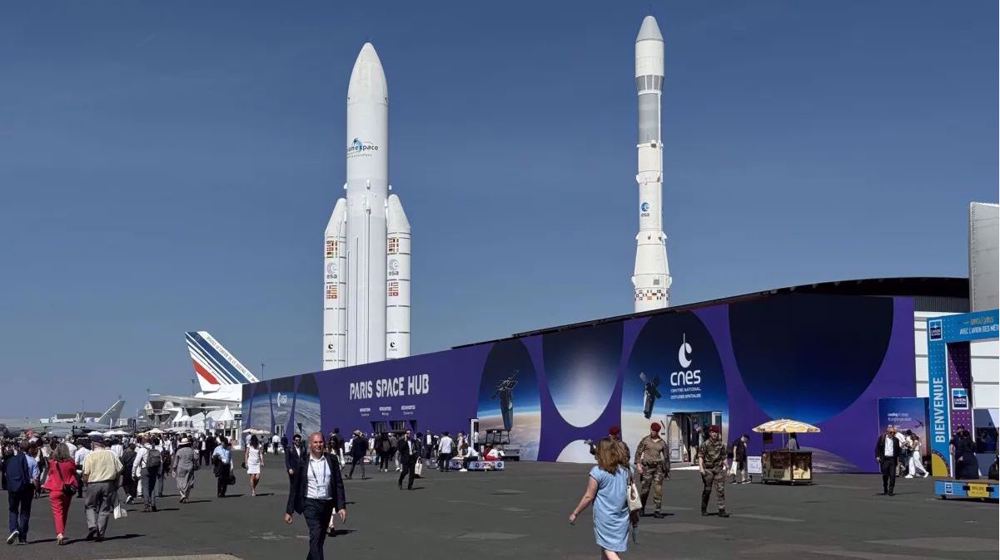
France is investing heavily in autonomous space access. Head Topics noted the country allocated €4.2 billion for military space (2026–2030) and more than €16 billion for civil and dual-use space by 2030. Europe aims to launch the Ariane 6 rocket up to 10 times annually by 2027.
The Trump administration views European space independence as a competitive threat. Co-hosted by France and Germany at the Grand Palais, the summit aims to bolster EU sovereignty beyond U.S. influence. This strategic divergence sparked the White House's behind-the-scenes pressure on American firms.
U.S. Agencies Will Attend Despite Corporate Pullout
The White House is not boycotting the summit entirely. Officials from OSTP, NASA, the State Department, and Commerce are expected to attend. This split message—discouraging private companies while sending federal representatives—signals complex politics around European autonomy.
The broader context includes disputes over tariffs, defense commitments, and competition with China in space technology. The Paris summit brings roughly 120 foreign delegations, making it a major forum for space security and exploration policy. The episode shows how aligned U.S.-European interests are fragmenting.
Sentiment
Mostly NegativeNEGATIVENEUTRALPOSITIVE
Publishers
15
Articles
45
Reach
60
A
AnonymousAuthor


