Israel's massive Lebanon blast
Israel Detonates 700 Tons Near Lebanon's Beaufort Castle, Targeting Hezbollah Tunnels Amid Ceasefire Tensions
Anonymous
Key Points
1
Beaufort Castle area UNESCO status note: The Crusader-era castle region was added last week to UNESCO’s List of World Heritage in Danger, highlighting heightened international concern over preservation amid the conflict.
2
Lebanon's civilian toll update: Health authorities reported Israeli attacks since March 2 have killed 4,333 people and injured 12,236, underscoring the human impact alongside the military actions.
3
Hezbollah escalatory move linked to the ceasefire: Hezbollah launched an explosive drone at an IDF engineering vehicle operating at Ali Taher Ridge, described as the first attack since the ceasefire framework took effect.
4
Lebanese president’s warning: President Joseph Aoun called the explosions a highly dangerous escalation and a blatant violation of commitments, urging the international community to address the violations under the framework.
5
Lebanese army deployment in contradicting zones: The Lebanese army began deploying in Zawtar al-Gharbiyeh on July 21 after Israeli withdrawals, illustrating ongoing security arrangements under the ceasefire framework.
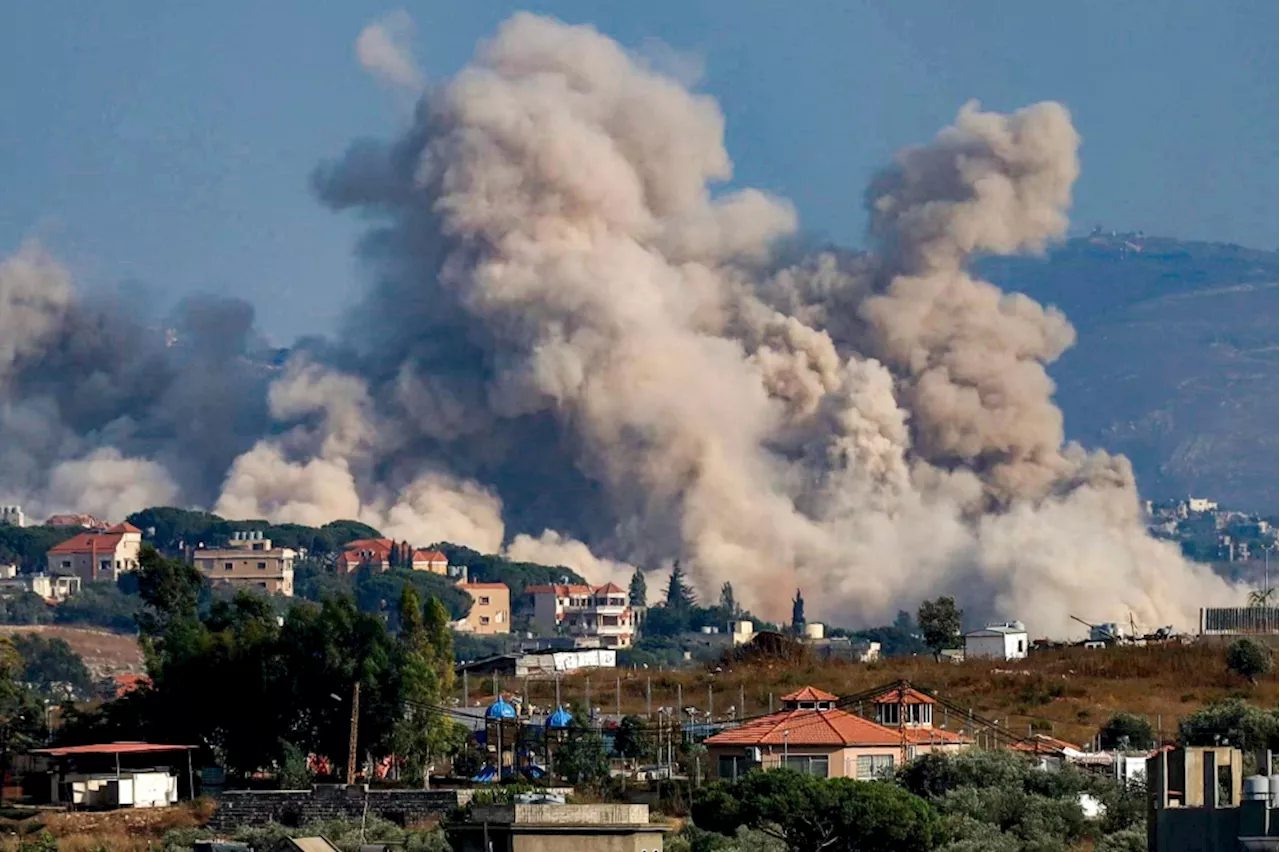
Israel detonated roughly 700 tons of explosives near Lebanon's historic Beaufort Castle on July 30, destroying what it said was a major Hezbollah underground tunnel network, according to All Israel News. The blasts shook communities from Qlayaa to areas near Beirut, shattered windows, and registered as a magnitude-3.8 seismic event on monitoring equipment.
Israel said the operation was a direct response to a Hezbollah drone strike on an IDF engineering vehicle — the first such attack since a US-brokered ceasefire framework took effect, All Israel News reported. Lebanese President Joseph Aoun called the blasts "a highly dangerous escalation and a blatant violation" of ceasefire commitments.
700 Tons of Explosives Bring Down Hezbollah's Tunnel System
The IDF said the tunnels beneath Beaufort Ridge were central to Hezbollah's plans to infiltrate northern Israel. Israel used the explosions to collapse the network rather than leave infrastructure intact, according to Alethon News. The Beaufort Ridge sits in southern Lebanon, an area where Israel has maintained a military presence despite the ceasefire.
Lebanese state media said the explosions were felt across large parts of the south, Headtopics reported. Seismographs recorded the blasts as a 3.8-magnitude event. The scale of the detonation — 700 tons in a single operation — is among the largest such actions Israel has taken in Lebanon during this conflict.
Hezbollah Drone Strike Gave Israel Its Stated Justification
Before the detonation, Hezbollah launched an explosive drone at an IDF engineering vehicle operating at Ali Taher Ridge. Israel called this the first Hezbollah attack since the ceasefire framework took effect, according to All Israel News. Israel warned of harsh responses to any future violations.
The ceasefire was brokered by the United States and was meant to halt major hostilities. But Israel has continued demolition operations in southern Lebanon, including near towns like Mansouri and Majdal Zoun, Newscord reported. Critics say Israel's continued presence itself violates the terms of the agreement.
UNESCO Heritage Site Caught in the Crossfire
Beaufort Castle is a Crusader-era fortress in southern Lebanon. Just last week, the site was added to UNESCO's List of World Heritage in Danger, according to Newscord. The designation signals international concern over the castle's survival as military operations continue nearby.
The listing draws attention to what preservationists fear: that combat operations risk permanently damaging a site of global cultural significance. The explosions on July 30 occurred in the immediate vicinity of the castle, raising fresh alarms among heritage officials.
Lebanon's Civilian Death Toll Climbs Amid Ceasefire Tensions
Lebanese health authorities report that Israeli attacks since March 2 have killed 4,333 people and injured 12,236 more, according to Alethon News. The numbers highlight how deadly the conflict has remained even under a nominal ceasefire framework.
Lebanon's Parliament Speaker joined President Aoun in demanding international accountability. The Lebanese army began deploying in Zawtar al-Gharbiyeh on July 21 after Israeli withdrawals, All Israel News reported, a sign that security arrangements under the ceasefire are still being worked out on the ground. Tensions remain high as both sides point fingers at the other for violations.
Sentiment
Mostly NegativeNEGATIVENEUTRALPOSITIVE
Publishers
30
Articles
44
Reach
74
Topics
A
AnonymousAuthor