Remembering Morgan Magic
Former Boston Red Sox Manager Joe Morgan Dies at Age 95
Anonymous
Key Points
1
Morgan’s 1988 turnaround came after Boston fired John McNamara following a 43-42 start; Morgan, who had begun the season as the team’s third-base coach, led the Red Sox to a 46-31 record over the rest of the regular season.
2
Before becoming Boston’s major-league manager, Morgan managed Triple-A Pawtucket from 1974 through 1982 and became the longest-tenured manager in that club’s history.
3
Morgan’s firing after the 1991 season surprised many because Boston had climbed from 11½ games out on Aug. 7 to within a half-game of the lead on Sept. 21; the team then lost 11 of its final 14 games, and general manager Lou Gorman replaced him with Butch Hobson.
4
Morgan played 88 major-league games from 1959 to 1964 and appeared in 1,440 minor-league games, covering every infield position as well as 232 professional games in the outfield.
5
Former Red Sox star Wade Boggs said Morgan deserved more credit for his baseball intelligence, describing him as someone who “played baseball hunches instead of statistics.”
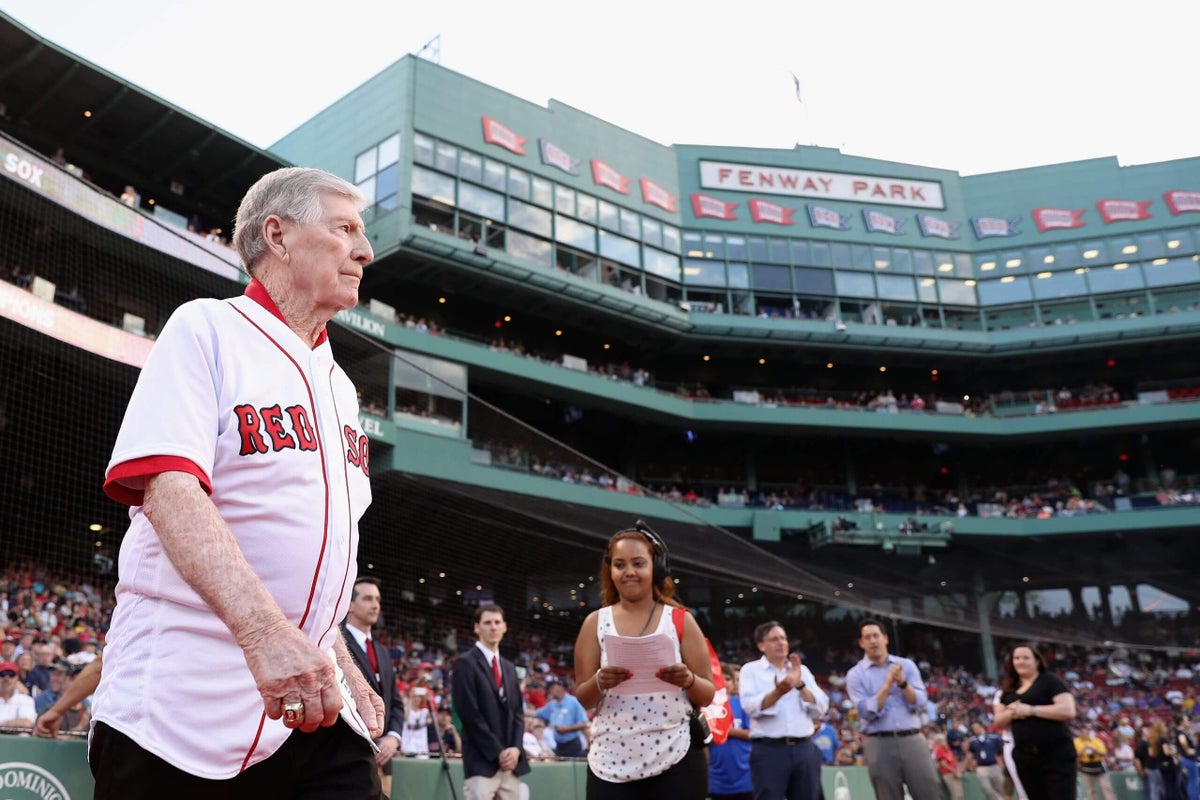
Joe Morgan, the Red Sox manager who sparked "Morgan Magic" and transformed Boston's 1988 season, died Saturday night at 95, Boston Globe reported. A Walpole native and Boston College graduate, Morgan spent 18 seasons in the Red Sox organization and was inducted into the team's Hall of Fame in 2006. He became a franchise icon after taking over as interim manager on July 14, 1988, guiding the team to 12 consecutive wins and leading Boston to the American League East title.
Morgan finished his managerial career with a 301-262 record across four seasons. Houston Chronicle noted he led the Red Sox to two division titles in 1988 and 1990, though both seasons ended in American League Championship Series losses to Oakland. Known for his folksy personality and instinct-driven managing style, Morgan remained deeply admired by players and New England fans as an emblem of Boston baseball.
The 1988 Turnaround That Changed Everything
Morgan's rise to manager began mid-season. Boston started 1988 at 43-42 under John McNamara before the team replaced him. MLB Trade Rumors reported Morgan, who had been the third-base coach, took over and led the Red Sox to a 46-31 record over the rest of the regular season. The team rattled off 12 consecutive wins and won 19 of 20 games—a stretch that became known as "Morgan Magic."
The dramatic change suggested Morgan's deep familiarity with the players and organization restored confidence and cohesion. Wade Boggs, a former Red Sox star, said Morgan deserved more credit for his baseball intelligence, calling him someone who "played baseball hunches instead of statistics." Morgan's practical approach and understanding of the team's culture proved effective when the organization needed an immediate spark.
A Walpole Kid Who Never Left New England
Morgan's connection to Boston ran deep. Born in Walpole, he attended Boston College and worked throughout the Red Sox system for decades. Boston Globe described him as "a New England original" who understood the region's unusually knowledgeable baseball culture. His working-class roots—including driving a snowplow to supplement his baseball income—reinforced an authentic, everyman image that made supporters view him as part of their community rather than merely a team employee.
Before managing the major-league team, Morgan managed Triple-A Pawtucket from 1974 through 1982 and became the longest-tenured manager in that club's history. He also played 88 major-league games from 1959 to 1964 and appeared in 1,440 minor-league games, covering every infield position as well as 232 professional games in the outfield. His entire career tied him to New England baseball.
The Sudden End of His Boston Managerial Career
Morgan's firing after the 1991 season shocked many observers. Boston had climbed from 11½ games out on August 7 to within a half-game of the lead on September 21. Then the team collapsed, losing 11 of its final 14 games. General manager Lou Gorman replaced Morgan with Butch Hobson, ending his four-season run as manager.
His dismissal illustrated how front offices were beginning to evaluate managers through broader organizational criteria than short-term momentum alone. Morgan's 301-262 record and two division titles proved that practical judgment could still produce strong results. Yet the shift toward analytics and different managerial philosophies meant his instinct-driven approach, while beloved by fans, was no longer the only path to success in baseball.
Sentiment
Mostly NegativeNEGATIVENEUTRALPOSITIVE
Publishers
17
Articles
53
Reach
70
A
AnonymousAuthor


