Expandable Pediatric Heart Valve
FDA Approves Edwards Expandable Pediatric Heart Valve to Reduce Open-Heart Surgeries
Anonymous
Key Points
1
Edwards acquired the pediatric valve in February by buying Autus Valve Technologies for $128.9 million, with up to $132.5 million in additional milestone payments; it had previously paid $11.5 million for an option to purchase the company.
2
Before approval, the AUTUS valve had received FDA Breakthrough Device designation, recognizing its potential to address an unmet need in pediatric heart care.
3
Congenital heart defects affect about one in every 100 babies in the United States, and the article says they affect around 4,200 children in the country each year.
4
In the trial, physicians expanded the valves in two children who had begun to outgrow them without another invasive surgery. Three patients had valve-frame fractures and two had reduced leaflet motion, but none experienced adverse symptoms.
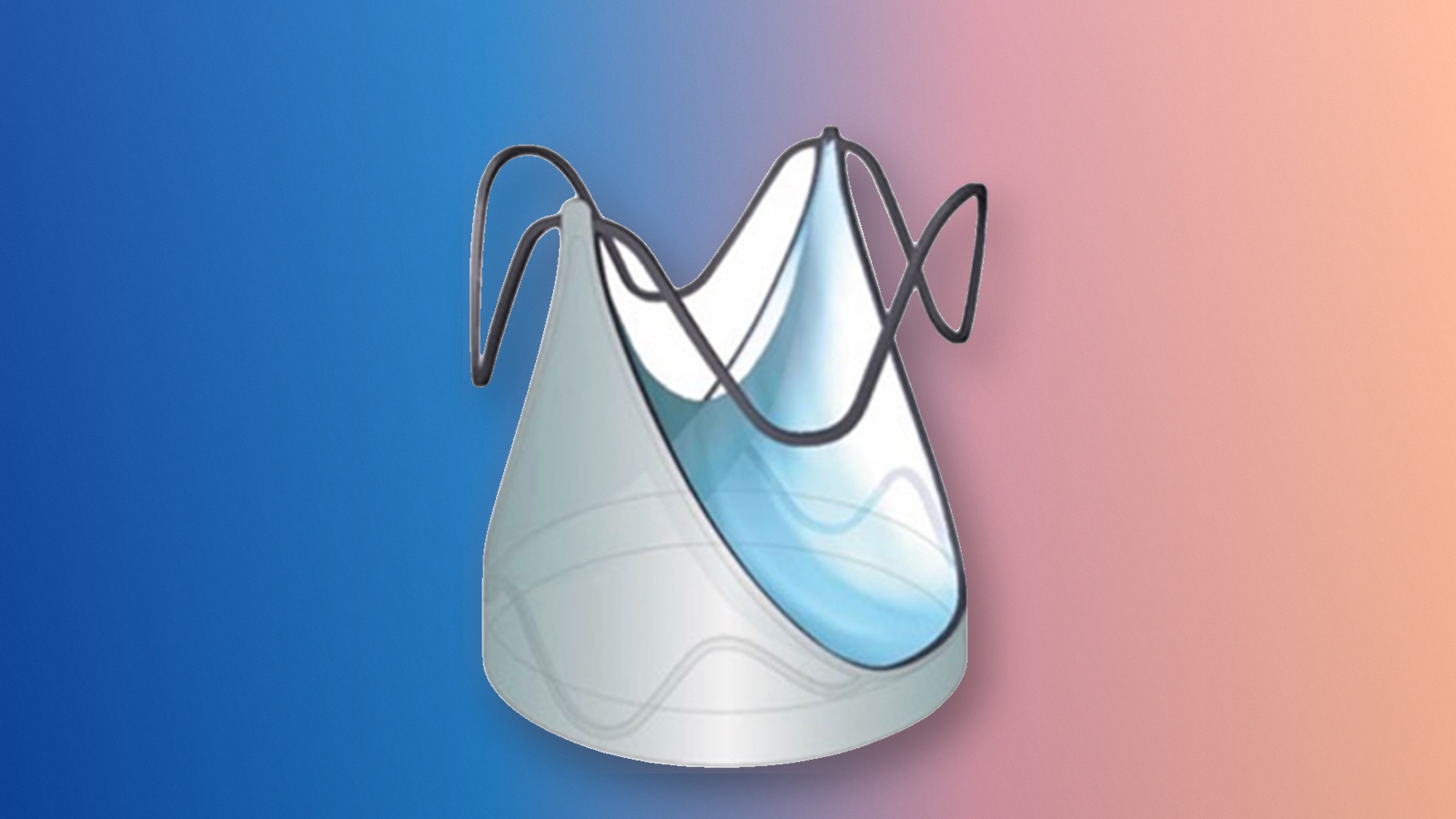
Edwards Lifesciences won FDA approval for the AUTUS Size-Adjustable Valve, the first heart valve designed to grow with children Web Pro News. Implanted at 13 millimeters, it expands up to 22 millimeters using a balloon catheter, potentially sparing kids from repeat open-heart surgeries as they age. The valve uses synthetic polymer leaflets instead of animal tissue, which hardens in children—a first for any medical device Mega Doctor News.
A 62-child trial showed the valve met safety and effectiveness goals Tech My Money. One in every 100 babies in the US has congenital heart defects, affecting roughly 4,200 children annually. This approval addresses a major gap in pediatric heart care for children who need pulmonary valve replacement.
How the Expanding Valve Works
The AUTUS valve starts small—about 13 millimeters—when surgeons implant it. As the child grows, doctors can expand it using a balloon catheter without opening the chest again Gadget Review. The valve can stretch to as large as 22 millimeters, matching the child's developing body and delaying or eliminating the need for another major surgery.
The synthetic polymer leaflets are engineered to stay flexible and functional in growing children Mega Doctor News. Animal tissue valves, used for decades, deteriorate and harden over time—a serious problem for kids who might live 70+ years. This innovation addresses that critical limitation.
Trial Results Show Few Complications
In the pivotal study, physicians expanded two valves in children who had outgrown them—without surgery Tech My Money. Three patients developed valve-frame fractures and two showed reduced leaflet motion, but none experienced symptoms or harm. Long-term monitoring of trial patients continues.
The valve earned FDA Breakthrough Device designation before approval, signaling the agency recognized its potential to fill an unmet need in pediatric cardiology OCBJ. The approval opens a path for broader use in congenital pulmonary valve disease.
Edwards' Strategic Investment in Pediatric Solutions
Edwards bought Autus Valve Technologies in February for $128.9 million, plus up to $132.5 million tied to future milestones OCBJ. The company had previously paid $11.5 million for an option to purchase the startup. This acquisition strengthens Edwards' position in pediatric cardiac care, a relatively small but high-impact market.
Sentiment
Mostly PositiveNEGATIVENEUTRALPOSITIVE
Publishers
17
Articles
24
Reach
41
A
AnonymousAuthor


