Iran Oil Leadership Shift
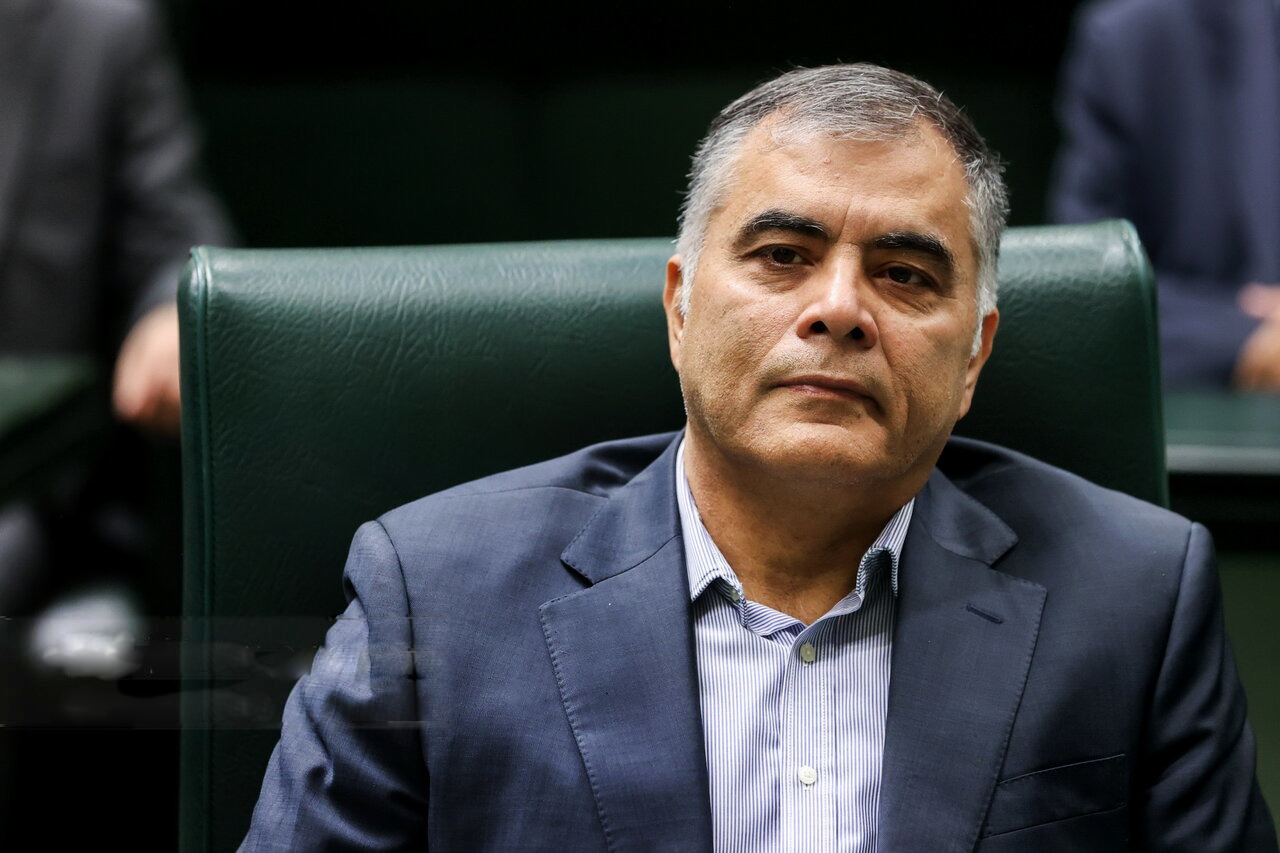
Iran's Oil Minister Resigns, With Hamid Bovard Appointed as Interim Successor
Anonymous
Key Points
1
The appointment was described as taking effect immediately; M. Tabatabaei, deputy head of the presidential office for communications and information, said the president issued the order naming Bovard to lead the ministry temporarily.
2
Bovard had become NIOC’s CEO and managing director on August 29, 2024, after Paknejad appointed him to the role.
3
In September, Paknejad said Iran’s crude exports had continued despite attacks on energy infrastructure and disruptions around the Strait of Hormuz; Reuters reported that oil flows had also been disrupted after a U.S. blockade of Iranian oil exports began in April.
Iran's Oil Minister Mohsen Paknejad has resigned, with no stated reason, amid mounting pressure from the US-Iran conflict and economic strain on the nation's oil sector. Middle East Eye reported that long petrol queues at gas stations have plagued Iran as the war drags on. President Masoud Pezeshkian immediately appointed Hamid Bovard, CEO of the National Iranian Oil Company, as acting minister.
Bovard takes the helm at a critical moment for Iran's energy industry. NDTV noted that he had only assumed NIOC's top role in August 2024 after Paknejad originally appointed him. The leadership change signals potential shifts in how Tehran manages its oil operations under intensifying international sanctions and military tensions.
Paknejad Exits Amid War and Economic Crisis
The resignation comes as Iran's oil sector faces a dual squeeze: active military conflict with the United States and sustained economic sanctions. India Today reported that Paknejad stepped down as the war entered its eighth month, with the economy buckling under strain. Gas shortages have worsened public frustration, forcing long lines at petrol pumps across the country.
State media offered no explanation for the sudden departure, leaving observers to speculate about internal pressures. Before his exit, Paknejad claimed revenue from previously sold oil was still flowing into Iran's coffers. That assertion now falls to Bovard, whose first test is stabilizing an industry crippled by sanctions and geopolitical upheaval.
Bovard Steps Into a Weakened Oil Industry
Hamid Bovard inherits an NIOC facing severe export restrictions. Middle East Eye reported that petrol queues signal deep supply issues at home, even as Iran struggles to sell crude abroad. The Strategic Petroleum Reserve release by the US Energy Department—offering up to 40 million barrels through exchanges—underscores how thoroughly Washington has marginalized Iranian oil from global markets.
Bovard had held the NIOC top job for just three months before his promotion. His experience managing the state oil company puts him in a stronger position than an outsider. Yet his appointment signals the government's urgency in stabilizing a sector now cut off from most international buyers and ravaged by military strikes on energy infrastructure.
Exports Under Siege From US Blockade and Attacks
Iran's crude exports have crumbled under a two-pronged assault: a formal US blockade that began in April, and ongoing strikes on energy infrastructure from the conflict. Paknejad insisted in September that Iran's exports continued despite these disruptions. Reuters documented that oil flows faced mounting pressure from the US campaign to choke off Iranian revenues.
The Strait of Hormuz remains a flashpoint. Attacks on tankers and infrastructure near the waterway have compounded export woes. Bovard's role will require navigating both a collapsing export market and potential further military strikes—tasks that pushed his predecessor to resign without explanation.
Sentiment
Mostly NegativeNEGATIVENEUTRALPOSITIVE
Publishers
38
Articles
200
Reach
238
A
AnonymousAuthor


