Blocking ICE at Polls
Civil Rights Groups File Federal Lawsuit to Block Armed ICE at Polling Places
Anonymous
Trending on XMidterm election heating up with propaganda and polling concerns
Key Points
1
The lawsuit was filed by UnidosUS, Common Cause, the League of United Latin American Citizens (LULAC) and Denver, with the legal group Democracy Forward representing the plaintiffs. UnidosUS President Janet Murguía said, “Sending armed ICE officers to polling places is not immigration enforcement—it is voter suppression, plain and simple.”
2
The groups say the administration’s actions follow the Justice Department’s decision earlier in 2026 to end long-standing guidance restricting federal law-enforcement activity at polling places; they also cite reported ICE enforcement actions at voting sites in Texas and New York.
3
The plaintiffs allege that armed agents have already appeared at polling locations, including an incident in May when agents reportedly “swarmed” the parking lot of an active polling site in San Antonio and detained someone in view of voters.
4
The lawsuit challenges the administration’s stated rationale for targeting polling places by noting that noncitizens are barred from voting in federal elections and that convictions for illegal noncitizen voting are extremely rare: a Reuters analysis found 73 convictions over the past three decades.
5
The dispute has also been fueled by calls from conservative figures, including former White House adviser Steve Bannon, for ICE to surround polling locations, even as administration officials say ICE will not routinely patrol them.
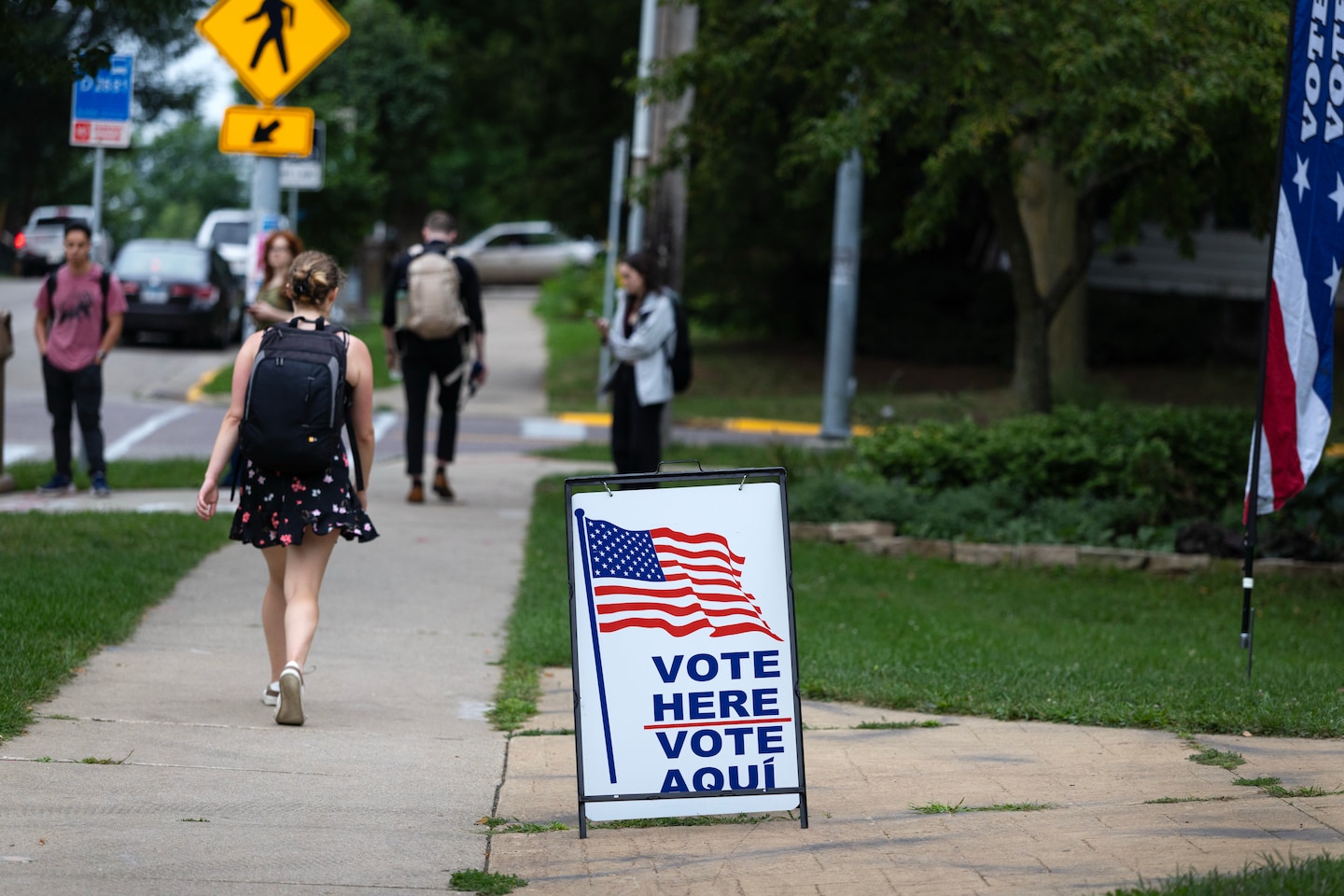
Denver and major Latino voting-rights groups filed a federal lawsuit seeking to block armed Immigration and Customs Enforcement agents from polling places during the 2026 midterm elections. Washington Post reported the plaintiffs argue such deployments violate federal law barring troops or armed personnel at election sites except when necessary to repel armed enemies, and would intimidate voters and suppress participation.
The lawsuit names the Department of Homeland Security, ICE, Secretary Markwayne Mullin and acting ICE Director David Venturella as defendants. UnidosUS President Janet Murguía stated: "Sending armed ICE officers to polling places is not immigration enforcement—it is voter suppression, plain and simple." Courthouse News reported the case was filed in federal court.
ICE Enforcement Actions Already at Voting Sites
Reported incidents have already sparked concern. Washington Post reported that in May, ICE agents reportedly "swarmed" the parking lot of an active polling site in San Antonio and detained someone in view of voters. The groups cite these encounters plus reported enforcement actions in Texas and New York as evidence that armed ICE presence at polls poses real risks.
The Justice Department's 2026 decision to end long-standing guidance restricting federal law enforcement at polling places opened the door to such activity. Conservative figures, including former White House adviser Steve Bannon, have openly called for ICE to surround polling locations. However, administration officials maintain ICE will not routinely patrol them.
Why Noncitizen Voting Is Extremely Rare
The lawsuit challenges the administration's core rationale for targeting polling places. Noncitizens are barred from voting in federal elections. A Reuters analysis found just 73 convictions for illegal noncitizen voting over three decades. That means actual instances are vanishingly rare compared to hundreds of millions of votes cast.
The mismatch between the stated threat and enforcement intensity raises questions about true motives. If convictions average fewer than three per year nationwide, armed federal agents at polls target a problem that barely exists. Voting rights groups argue this disconnect reveals the policy is really about suppression, not security.
Federal Law and Local Election Control at Stake
The lawsuit hinges on a federal law that generally prohibits military personnel or armed federal forces from polling sites except when necessary to repel armed enemies. Executing immigration warrants or responding to ordinary security concerns would not satisfy that narrow exception, plaintiffs argue. The dispute centers on whether ICE deployments fit the law's strict limits.
Polling places are run by state and local officials who manage voter check-in, security, lines and accessibility. Uncoordinated federal enforcement could create confrontations and make local administrators uncertain who controls the site. The case therefore challenges not only voter intimidation but also federalism—the balance of power between federal and local government.
Armed Agents Can Deter Eligible Voters Without Arrests
Even voters legally entitled to cast ballots may avoid polling sites if armed federal agents are present. Eligible citizens in immigrant communities or mixed-status families might fear questioning, immigration checks or mistaken enforcement. This chilling effect reduces participation even when noncitizens remain barred from voting. The risk is particularly acute in states and cities with large immigrant populations.
The plaintiffs—WBTW reported they include UnidosUS, Common Cause, the League of United Latin American Citizens and Denver, with Democracy Forward providing legal representation—argue that intimidation suppresses votes independent of whether enforcement actually occurs. The fear itself damages election integrity and dampens democratic participation.
Sentiment
Mostly NegativeNEGATIVENEUTRALPOSITIVE
Publishers
24
Articles
30
Reach
54
A
AnonymousAuthor


