Grid Infrastructure Upgrade
Department of Energy Announces $1.9 Billion for 31 Grid Projects
Anonymous
Key Points
1
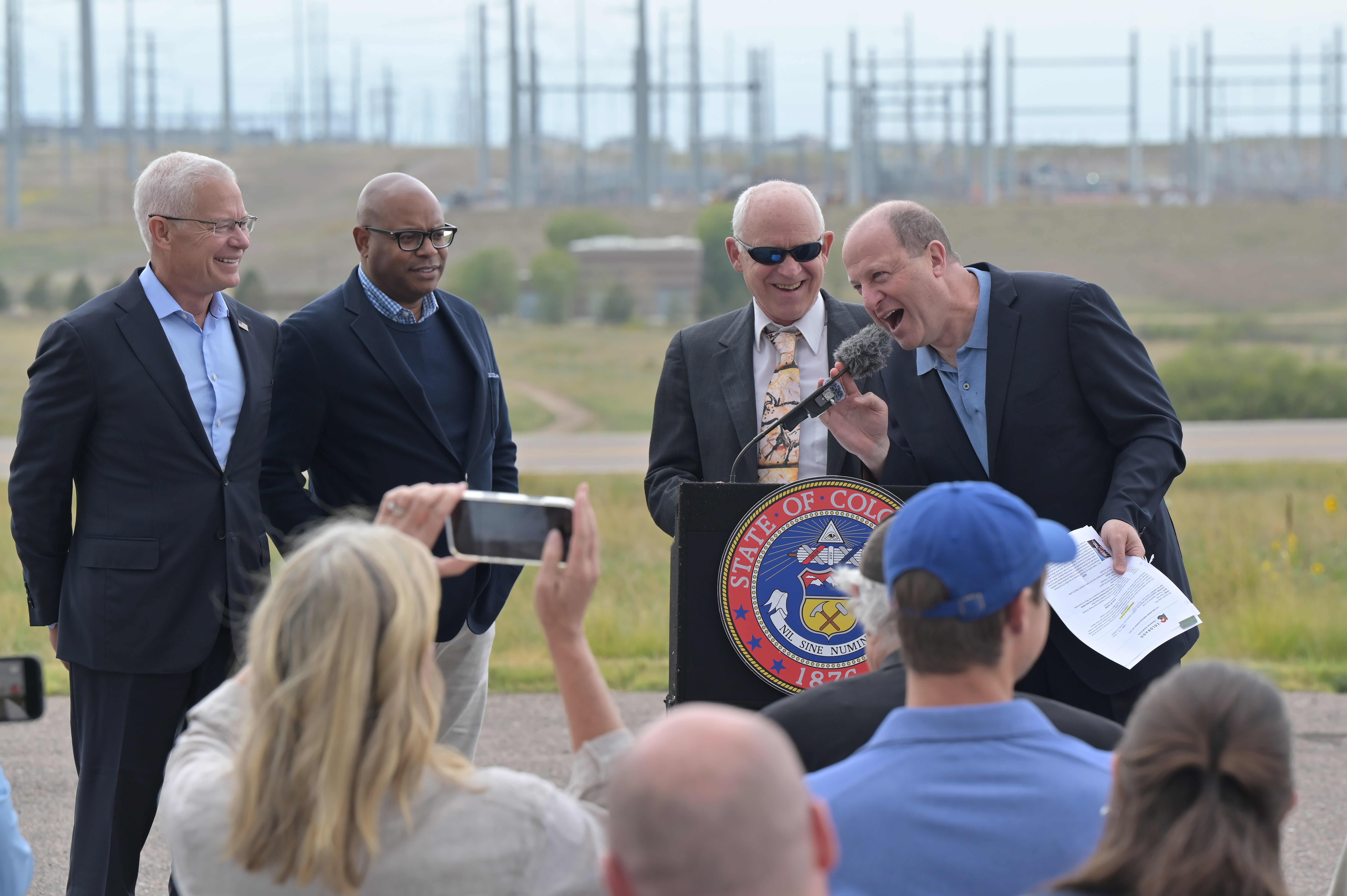
Colorado officials say the Xcel project will increase the amount of electricity that can move between the two regional grids from 210 megawatts to 700 megawatts, with capacity eventually reaching 2,000 megawatts. The $250 million federal grant covers about 20% of the project’s $1.2 billion cost.
2
The Colorado announcement comes as Xcel customers are expected to see about a $5 monthly bill increase in the coming months to help pay for system upgrades. The company has also faced complaints from developers about delays in getting electricity for new projects.
3
CenterPoint is seeking to rebuild public trust after weather-related outages, including during Hurricane Beryl, as regulators and customers have pressed the company to improve storm readiness and communication.
4
DOE described SPARK as a way to upgrade existing infrastructure more quickly than building new transmission corridors, using reconductoring and advanced technologies to increase capacity.
The U.S. Department of Energy announced $1.9 billion in federal funding for 31 grid-improvement projects across 26 states, with recipients adding another $3.35 billion to create a $5.25 billion nationwide initiative BizWest. The projects will upgrade more than 1,500 miles of transmission lines, deploy advanced technologies across nearly 21,000 miles, and add over 23 gigawatts of electricity capacity to strengthen the nation's aging power infrastructure.
Colorado received the largest single grant: $250 million toward Xcel Energy's $1.2 billion project to modernize a critical transmission corridor between Colorado and Texas Fort Morgan Times. The investment reflects a broader federal push to upgrade existing infrastructure faster and more affordably than building new transmission lines from scratch.
Colorado's Xcel Project Unlocks Grid Transfer Capacity
Colorado's transmission upgrade will nearly triple the amount of electricity that can flow between regional grids. The project increases capacity from 210 megawatts to 700 megawatts immediately, with plans to eventually reach 2,000 megawatts BizWest. The federal grant covers roughly 20% of the $1.2 billion total cost, meaning state and private funding fill the remaining gap.
The timing adds pressure on Xcel customers, who face a planned bill increase of about $5 per month in coming months to fund system upgrades BizWest. The company has also faced complaints from renewable energy developers about delays in connecting new projects to the grid, an issue the modernization aims to address.
Houston Prepares for Grid Resilience With TALON Upgrade
CenterPoint Energy in Houston will receive $50 million toward Project TALON, a roughly $176 million system upgrade designed to help the grid respond to power fluctuations and handle heavy loads BizWest. Improvements are expected by late 2029 and aim to strengthen Houston's ability to withstand severe weather and demand spikes.
The investment comes after CenterPoint faced public backlash over weather-related outages, including damage from Hurricane Beryl BizWest. Regulators and customers have demanded the company improve storm readiness and emergency communications, making grid modernization a priority for rebuilding trust.
Federal Strategy Prioritizes Upgrade Over New Construction
The DOE's SPARK program focuses on modernizing existing transmission infrastructure rather than building new corridors from scratch. Using reconductoring—replacing old wires with high-capacity ones—and advanced grid-enhancing technologies, projects can increase capacity faster and at lower cost BizWest. This approach addresses bottlenecks without the lengthy environmental reviews and land disputes that plague new transmission projects.
The 31 projects across 26 states represent a coordinated push to strengthen America's aging power grid amid growing demand from electrification, data centers, and climate resilience Fort Morgan Times. Each project must match federal funding with private or state contributions, ensuring broad investment in the nation's energy backbone.
Sentiment
Mostly PositiveNEGATIVENEUTRALPOSITIVE
Publishers
13
Articles
45
Reach
58
Topics
A
AnonymousAuthor


