BBC Presenter Cancer Diagnosis
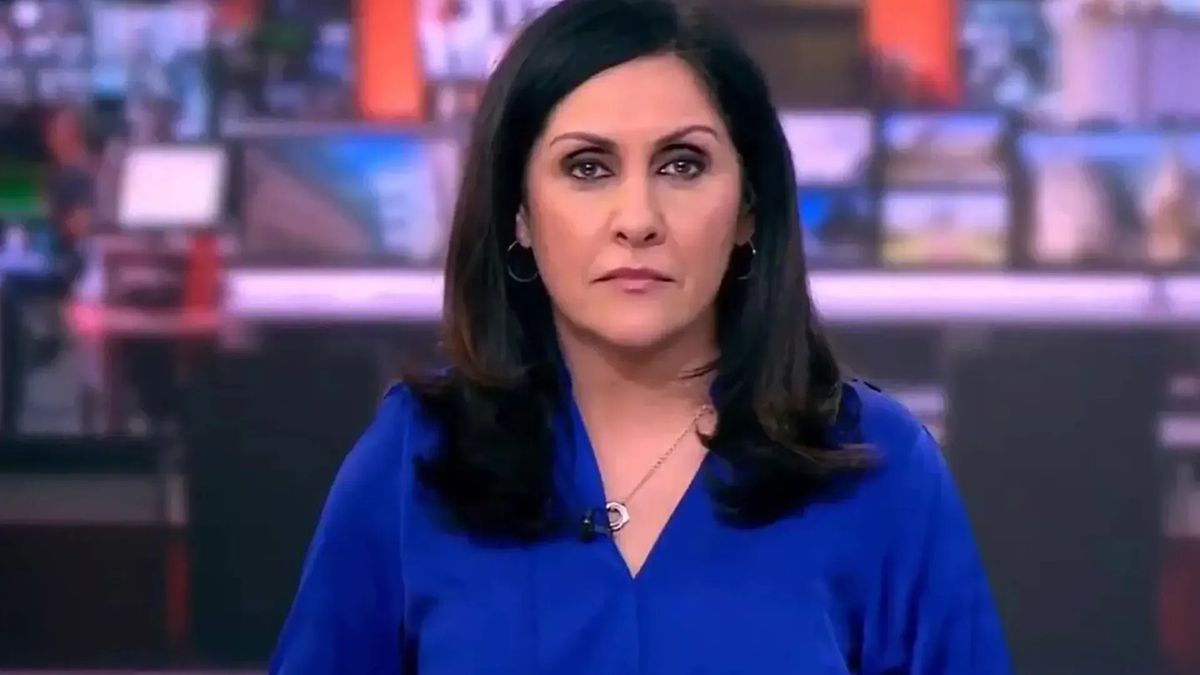
BBC presenter Maryam Moshiri reveals she is living with an incurable blood cancer.
Anonymous
Key Points
1
Moshiri said the treatment affected family life, recalling that during the worst periods she was too exhausted to play football with her son and felt she was not there for her children.
2
Her initial treatment involved seven or eight hour-long venesection sessions over about five months. The procedures depleted her iron levels and contributed to hair loss, severe fatigue and widespread itching.
3
Moshiri described interferon treatment side effects as “horrendous,” including insomnia, headaches and itching severe enough to cause bleeding and scars on her stomach; she later switched to another drug with more manageable effects.
4
She said the condition was detected largely by chance because her GP was “fastidious” about routine blood tests, as she had mostly experienced no symptoms before diagnosis.
5
Moshiri said she expects to undergo treatment for the rest of her life, describing PV as something that “is going to be there till the day I die,” but added that she did not want blood cancer to stop her working.
BBC News presenter Maryam Moshiri, 49, has revealed she is living with polycythaemia vera, a rare incurable blood cancer that causes the bone marrow to make too many red blood cells. The Northern Echo reports she was diagnosed in November 2024 after routine blood tests showed the condition, which thickens the blood and raises the risk of clots, strokes, and heart attacks.
Despite aggressive initial treatment that left her exhausted and unable to play with her children, Moshiri has kept presenting major international stories, sometimes working 14-hour days. UNILAD reports she has now switched to interferon-based immunotherapy and continues her work at the BBC, determined not to let the condition stop her career.
First Treatment Caused Severe Fatigue and Hair Loss
After her diagnosis, Moshiri underwent seven or eight venesection sessions over five months. UK Head Topics explains that these hour-long procedures, which remove blood to lower red cell counts, depleted her iron levels and triggered severe exhaustion, widespread itching, and hair loss that made working incredibly difficult.
The side effects devastated her personal life. Moshiri recalled being too drained to play football with her son and felt she was not there for her children during the worst periods. She knew something had to change when the fatigue became unbearable alongside her demanding news schedule.
Interferon Therapy Brought New but Different Struggles
Moshiri switched to interferon-based immunotherapy, but this brought its own challenges. Bicester Advertiser reports the treatment caused insomnia, severe headaches, and itching so intense it caused bleeding and scars on her stomach. She described the side effects as "horrendous" but eventually found a different drug with more manageable effects.
Despite the physical toll, she refused to step back from high-profile assignments. The presenter covered major international events including the death of Pope Francis, pushing through chronic exhaustion to fulfill her responsibilities at the BBC.
Diagnosis Found by Chance, No Early Symptoms
Moshiri had almost no symptoms before diagnosis, which made early detection lucky. She credits her GP's thoroughness with catching polycythaemia vera through routine blood tests. UK Head Topics notes that many people with this rare blood cancer experience no warning signs, making regular checkups critical for catching it early.
Now she expects to undergo treatment for the rest of her life, describing PV as something "going to be there till the day I die." But Moshiri is determined to keep working and sharing her story to raise awareness of a condition that is manageable as a chronic illness, not a death sentence.
Sentiment
Mostly NegativeNEGATIVENEUTRALPOSITIVE
Publishers
19
Articles
81
Reach
100
A
AnonymousAuthor


