Yemen Airport Strikes
Sanaa Airport Struck by Airstrikes Amid Yemen Conflict, Fueling Houthi Retaliation Threats
Anonymous
Key Points
1
Houthi military spokesperson Yahya Saree described the strikes as "blatant and unjust aggression" by the "criminal Saudi enemy" and said the aggression "will not go unanswered or unpunished."
2
The internationally recognized Yemeni government, backed by the Saudi-led coalition, continues to operate from Aden rather than Sanaa, highlighting the split in authority between the Houthi-controlled capital and the government-in-exile.
3
The Houthis warned of retaliatory attacks on Saudi airports and vital targets if such actions continue, signaling a broader escalation beyond the Sanaa strikes.
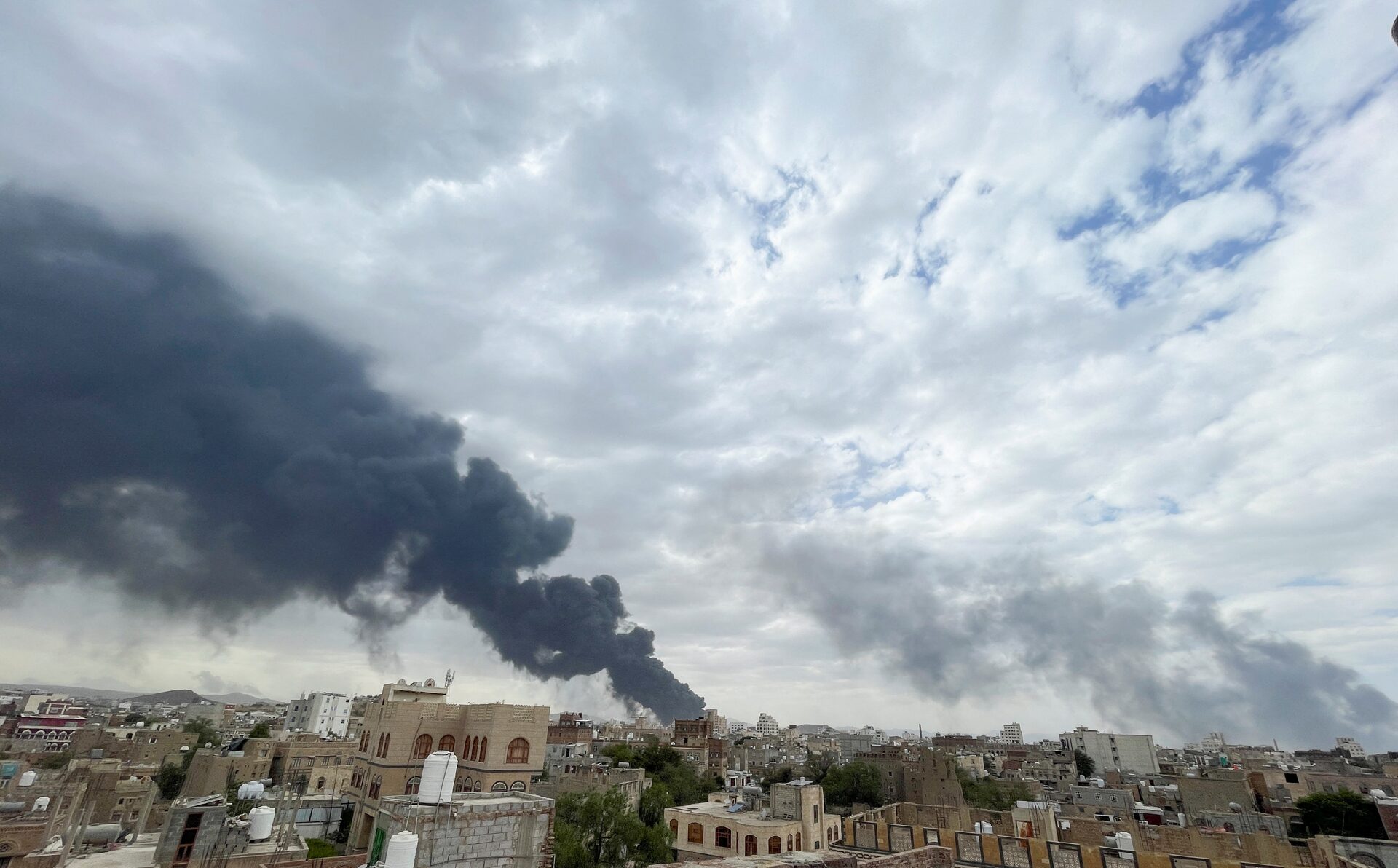
Airstrikes hit Sanaa International Airport in Yemen, forcing an evacuation of the facility, according to Winnipeg Free Press. The Houthi movement, which controls Yemen's capital, blamed Saudi Arabia for the attack and vowed to strike back.
The internationally recognized Yemeni government told a different story. It said its forces targeted the airport runway specifically to stop an Iranian aircraft from landing, according to Times of Israel.
Houthis Blame Saudi Arabia, Threaten Retaliation
Houthi military spokesperson Brig. Gen. Yahya Saree called the strikes "blatant and unjust aggression" by the "criminal Saudi enemy." He said the attack "will not go unanswered or unpunished," according to St. Albert Gazette. Saudi authorities have not issued any official comment on the reported strikes.
The Houthis went further, warning they would hit Saudi airports and other vital targets if such actions continued, according to Brandon Sun. That threat signals a possible widening of the conflict beyond Yemen's borders.
Iranian Mahan Air Flight at Center of Strike Dispute
The Houthis claimed the strikes were timed to stop a Mahan Air flight arriving from Tehran. Mahan Air is an Iranian airline with close ties to Iran's Revolutionary Guard. The Houthis said their forces retaliated quickly, and that the Iranian plane ultimately landed safely, according to Yahoo News.
Yemen's defense ministry, aligned with the Saudi-led coalition, confirmed it targeted the runway to block the Iranian aircraft. The competing claims make it hard to pin down exactly who struck first and why, according to Times of Israel.
Two Governments, Two Capitals, One Broken Country
Yemen has been split for years. The Houthis run Sanaa, the capital in the north. The internationally recognized government operates from Aden in the south, backed by the Saudi-led coalition. These strikes fit a long pattern of each side contesting the other's control over key sites.
The Houthis have accused the Saudi coalition of violating de-escalation efforts with the airport attack, according to Winnipeg Free Press. But the coalition-backed government sees blocking Iranian flights as a security matter, not an act of aggression. Both sides are calling the other the aggressor.
Escalatory Rhetoric Raises Fears of Broader Conflict
The Houthi threat to hit Saudi airports is not new, but it carries more weight now. Past Houthi drone and missile strikes have reached deep into Saudi territory, including attacks on oil facilities. Any follow-through on their latest threat could pull the conflict into a sharper phase.
For now, no casualty figures have been confirmed from the Sanaa airport strikes. The airport evacuation and runway damage leave the status of future flights unclear. Both sides are watching to see if the other escalates next, according to St. Albert Gazette.
Sentiment
Mostly NegativeNEGATIVENEUTRALPOSITIVE
Publishers
99
Articles
350
Reach
449
Topics
A
AnonymousAuthor


