Senate Scrutinizes FDA Nominee
FDA Nominee Heidi Overton Faces Senate Scrutiny Over Vaccines and Abortion
Anonymous
Key Points
1
Sen. Susan Collins said she is also concerned about the FDA’s “slow pace” in approving treatments for rare diseases.
2
Overton worked on the White House’s revamped food pyramid, among other health initiatives, and previously authored papers critical of abortion and transgender care while at the America First Policy Institute.
3
Overton’s financial disclosures listed no investments in health care or food companies, unlike some recent FDA nominees who had to divest investments or sever other financial ties with regulated companies.
4
Protect Our Care raised a separate concern about flavored e-cigarettes, questioning whether Overton would support the FDA keeping some products on the market before final authorization; this was the group’s criticism, not a stated position by Overton.
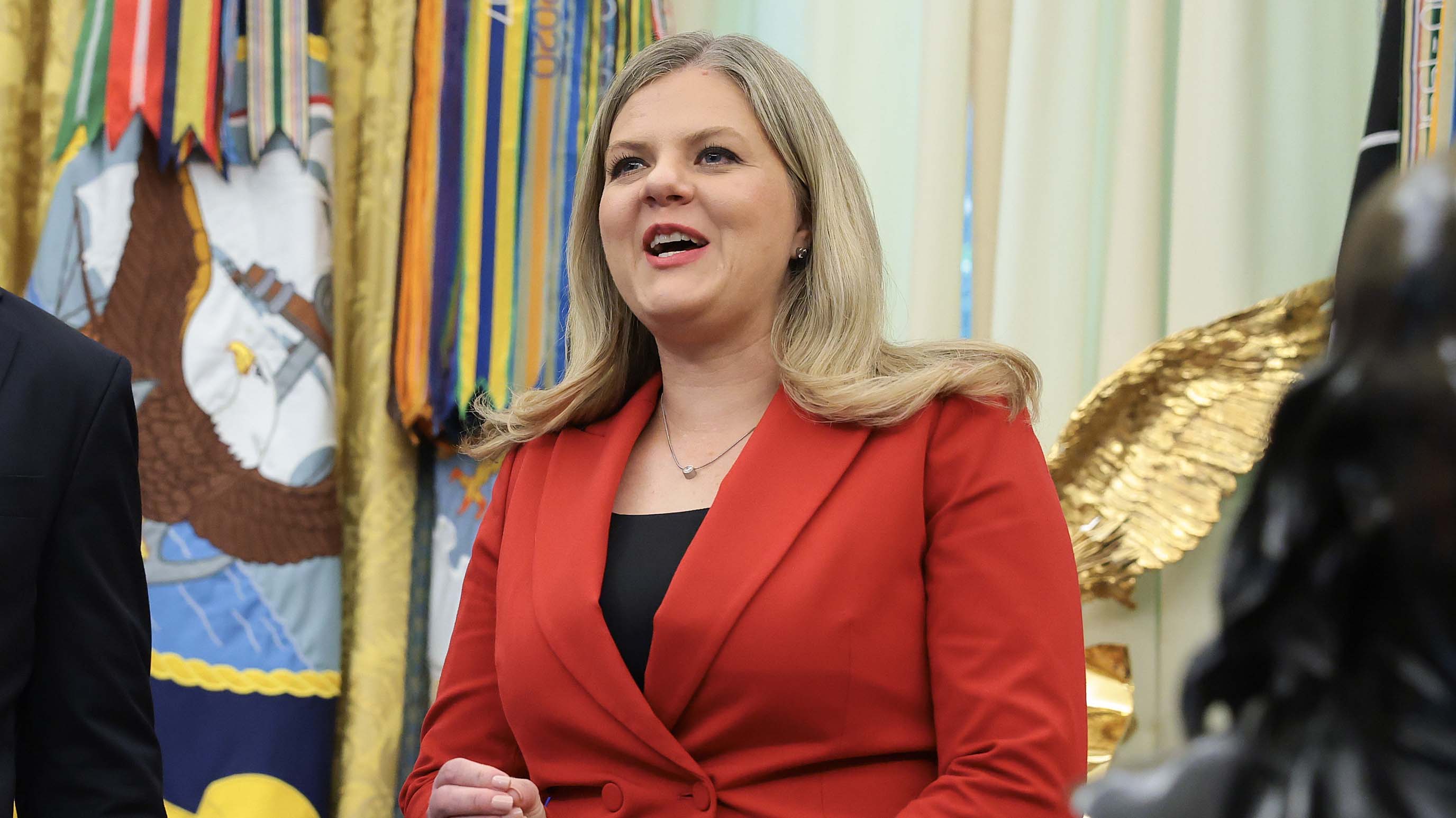
President Trump's FDA nominee, Dr. Heidi Overton, faced tough questions from Senate lawmakers on vaccines, abortion pills, and her lack of experience running a large government agency. Tippin Insights reported that the physician and White House aide defended her record during the hearing, while Republican committee chair Bill Cassidy suggested her role in pushing separate MMR vaccines was nearly disqualifying—though he said he wanted to hear her full answers.
Overton, a conservative policy expert who previously worked at the America First Policy Institute, also faces scrutiny over the FDA's mifepristone safety review and her stance on flavored e-cigarettes. Protect Our Care accused her of having an anti-vaccine record, while former FDA Commissioner Scott Gottlieb praised her approach to the agency's work.
Vaccine Splits and Childhood Immunization Concerns
The Trump administration has pushed to separate the combined MMR vaccine into three separate shots—a move that worries public-health experts but appeals to some conservatives. Tippin Insights reported that Overton's involvement in this effort has alarmed even some Republican senators. Bill Cassidy, the committee chair, called the move "nearly disqualifying" but indicated he wanted to hear her full explanation during the hearing.
Protect Our Care, a public-health advocacy group, has criticized Overton's overall record on vaccines and other health policies. The group claimed she defended her positions during the Senate hearing but questioned whether her statements aligned with her past work on health issues.
The Mifepristone Review and Abortion Policy Questions
Overton will inherit the FDA's ongoing safety review of mifepristone, the abortion pill, if confirmed. Apple Valley News Now noted that senators pressed her on abortion policy during the hearing, a topic where she has authored papers critical of abortion access while at conservative think tanks.
Her positions on reproductive health reflect her background at the America First Policy Institute, where she also wrote critically about transgender care. These stances put her at odds with Democrats on the committee but align with Trump administration priorities.
Questions About Leadership Experience and Financial Conflicts
Overton has never run a large federal agency, raising concerns about her readiness for the FDA's massive budget and 18,000 employees. Southern Illinois Now reported that she is testifying as part of her confirmation hearing process. Senator Susan Collins also expressed concern about the FDA's "slow pace" in approving treatments for rare diseases—an area where Overton will need to show progress.
Unlike some recent FDA nominees, Overton's financial disclosures show no investments in health-care or food companies, eliminating potential conflicts of interest. Tippin Insights noted this marks a cleaner financial slate compared to predecessors who had to divest holdings or sever ties with regulated industries.
E-Cigarette Policy and Flavored Product Concerns
Protect Our Care raised separate concerns about whether Overton would maintain the FDA's ban on most flavored e-cigarettes or allow some products to remain on the market before final authorization. The group questioned her commitment to the agency's strict enforcement approach on nicotine products favored by youth.
Former FDA Commissioner Scott Gottlieb, however, has praised Overton's approach to the agency, suggesting she could bring a fresh perspective to regulatory decisions. Her confirmation vote signals whether Republicans hold firm behind her or whether moderate senators like Collins demand concessions on key health priorities.
Sentiment
Mostly NegativeNEGATIVENEUTRALPOSITIVE
Publishers
29
Articles
146
Reach
175
A
AnonymousAuthor


