Kohberger's Trial Bid
Idaho Murderer Bryan Kohberger Seeks to Withdraw Guilty Plea, Declares Innocence for Trial
Anonymous
Key Points
1
Idaho law distinguishes pre- and post-sentencing plea withdrawals. Before sentencing, a defendant may withdraw for any fair and just reason under Rule of Criminal Procedure 33(c); after sentencing, withdrawal is only allowed to correct a manifest injustice, a far higher bar to meet (often involving involuntary pleas, ineffective assistance, or prosecutorial misconduct, with Gautza v. Idaho influencing Sixth Amendment considerations).
2
During Kohberger’s change-of-plea hearing, his defense team acknowledged their performance under oath, led by attorney Anne Taylor, with Judge Steven Hippler presiding; Taylor herself stated she consented to her client’s entry of the guilty plea, and Kohberger signed the associated guilty-plea advisory, plea agreement and written factual basis.
3
As part of the plea deal, Kohberger waived his right to appeal in exchange for avoiding a possible death sentence, a crucial element of the agreement that is now being revisited in his post-sentencing claims of innocence.
4
Kohberger is currently held in Idaho’s maximum-security prison in segregated lockup, having spent just over a year in isolation, a condition that underscores the ongoing publicity and security considerations surrounding the case.
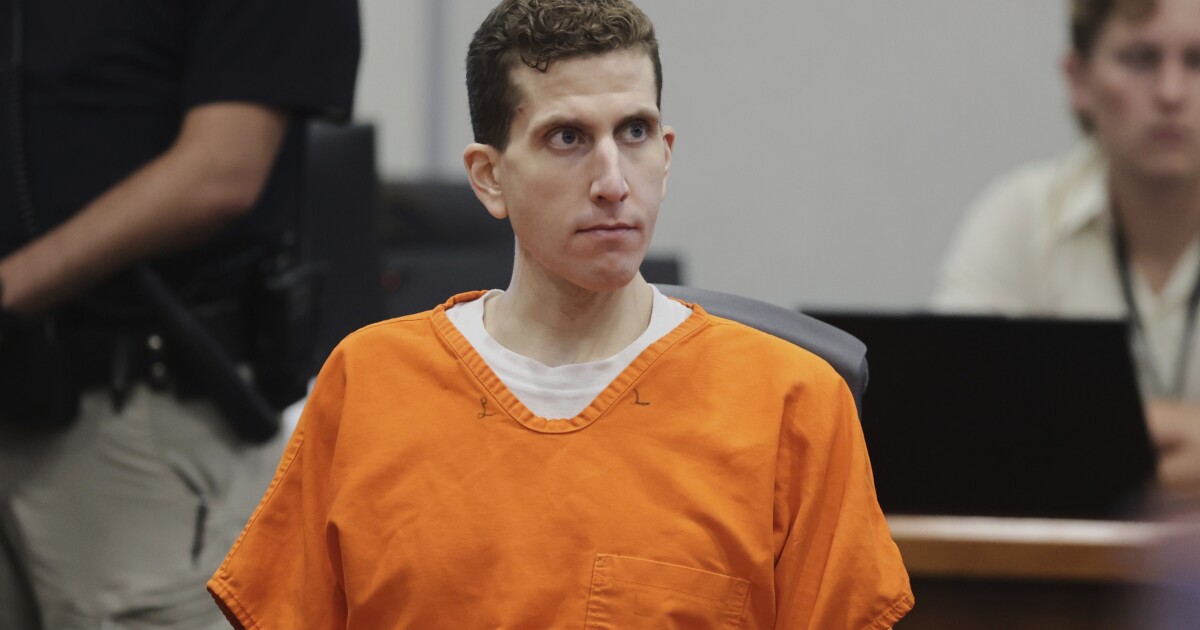
Bryan Kohberger, who is serving four consecutive life sentences for the 2022 murders of four University of Idaho students, says he plans to withdraw his guilty plea and demand a trial. In a statement to The New York Times, Kohberger declared, "Actual innocence is my truth," and said he welcomes the prospect of facing the death penalty again rather than remaining convicted under a plea he now calls the product of "false promises" and "wrong information."
Kohberger pleaded guilty 13 months ago, accepting four life sentences without parole to avoid a possible death sentence. He signed a plea agreement, a guilty-plea advisory, and a written factual basis at the time. Now he says none of it should stand, according to Local News 8.
Idaho Law Makes Post-Sentencing Plea Withdrawal Extremely Hard
Idaho law draws a sharp line between pre- and post-sentencing plea withdrawals. Before sentencing, a defendant can withdraw a plea for "any fair and just reason." After sentencing, the standard jumps much higher. The defendant must show a "manifest injustice," according to KBZK.
Grounds for manifest injustice are narrow. They include an involuntary plea, ineffective help from a defense lawyer, or serious misconduct by prosecutors. Legal experts say Kohberger faces a steep uphill climb. At his change-of-plea hearing, he acknowledged the process under oath. His lead attorney, Anne Taylor, also confirmed on the record that she consented to his guilty plea, according to The Columbian.
Kohberger Gave Up His Right to Appeal as Part of the Deal
The plea agreement included a critical trade-off. Kohberger gave up his right to appeal in exchange for the removal of the death penalty as a possible punishment. That waiver is now central to the fight ahead, according to KPAX.
Kohberger now argues the deal was built on bad information and that he did not get adequate legal help. But prosecutors can point to the signed documents and his sworn statements in court. Walking back a deal he agreed to under oath, in writing, and in open court will require more than claims of innocence alone.
A Mountain of Evidence Still Ties Kohberger to the Murders
Investigators built a detailed case against Kohberger before the plea was ever entered. Evidence included DNA found on a knife sheath at the scene, cell phone location data, and records placing his car near the home on King Road in Moscow, Idaho, multiple times before the November 13, 2022 attack. Four students — Kaylee Goncalves, Madison Mogen, Xana Kernodle, and Ethan Chapin — were killed.
Denver7 reported that Kohberger filed a petition to reopen the case. But legal analysts note that claiming innocence after sentencing is not enough on its own. A court must find that keeping the conviction in place would be fundamentally unfair — a standard that is rarely met when a defendant signed documents and spoke clearly under oath.
Kohberger Now Sits in Isolation at Idaho's Toughest Prison
Kohberger is currently held in Idaho's maximum-security prison in segregated lockup. He has spent just over a year in isolation. That level of separation from other inmates reflects both the high-profile nature of the case and ongoing safety concerns, according to Local News 8.
He told The New York Times that he is not waiving any rights and is prepared to face whatever comes next, including the death penalty. Whether a court will even allow his case to be reopened remains deeply uncertain. The next move belongs to Idaho's legal system, which has rarely granted this kind of relief after sentencing is complete.
Sentiment
Mostly NegativeNEGATIVENEUTRALPOSITIVE
Publishers
56
Articles
338
Reach
394
A
AnonymousAuthor


