Secret Service Drone Station
Secret Service Operates Surveillance Drones Near Trump's Planned White House Port
Anonymous
Key Points
1
The Secret Service’s drone and counter-drone work accelerated after the 2024 assassination attempt on President Trump at a campaign rally in Butler, Pennsylvania; according to the report, the gunman had used a drone for reconnaissance, but the agency neither acted against that drone nor launched one of its own.
2
Trump has said the ballroom project was expanded at the request of U.S. military officials and described the planned drone port as potentially “the most advanced” in the world, even though the White House has not specified the aircraft or missions involved.
3
The Secret Service said its existing drone docks are separate from the proposed ballroom facility and declined to provide operational details; the White House also declined to comment on the installation.
4
The “drone as first responder” model has been adopted by hundreds of police agencies nationwide, with some systems using artificial intelligence to help drones avoid obstacles or track targets.
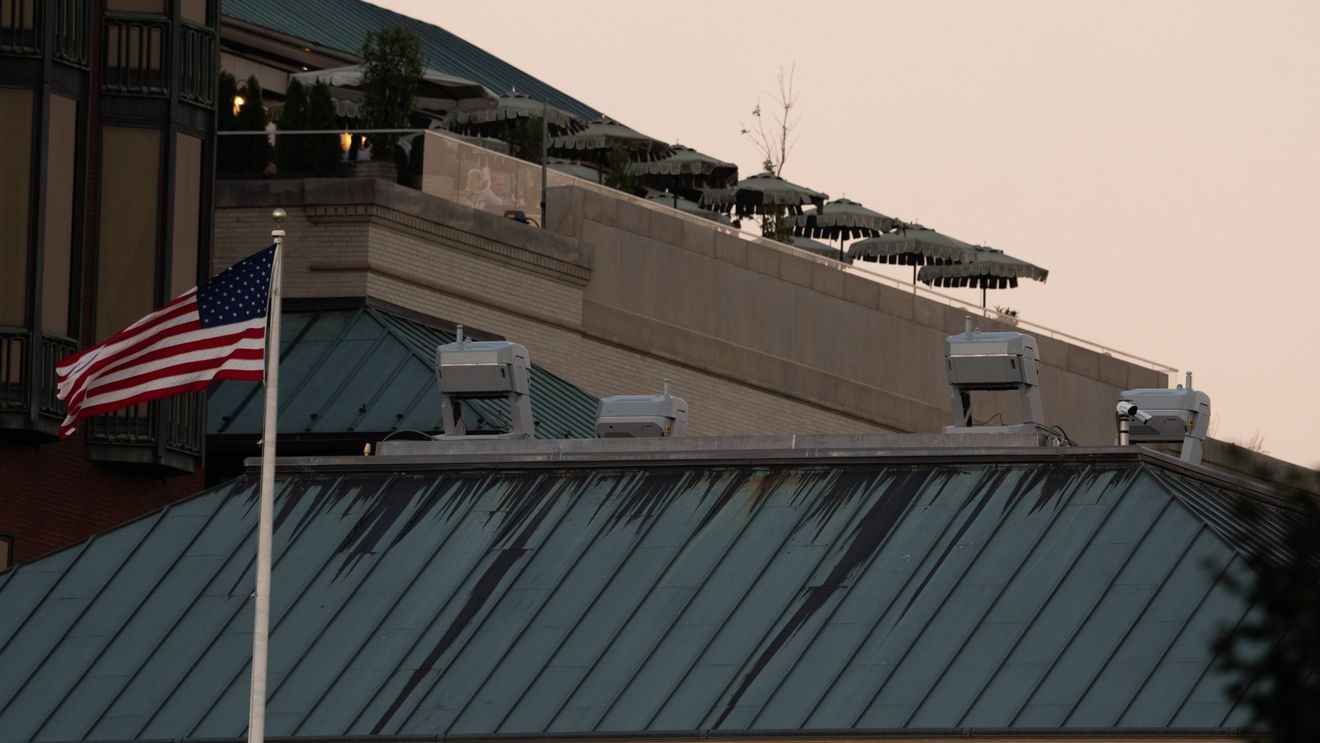
President Trump's proposed drone port atop a new White House ballroom has been shown in AI images as heavily armed with missile-carrying drones and troops. But the Secret Service already operates a smaller, unarmed drone station nearby on a Treasury Department building, according to CDispatch. The existing system uses four weatherproof boxes housing camera and sensor drones that act as "first responders" for rapid aerial surveillance before returning to their docks.
Trump said military officials requested the ballroom project and called the planned drone port potentially "the most advanced" in the world. However, drone experts say the Secret Service's surveillance-focused approach is more practical than military-style attack drones. The White House has not disclosed details about the proposed facility or how it differs from the existing Secret Service installation.
Secret Service Accelerates Drone Work After 2024 Attack
The Secret Service's drone operations ramped up following the July 2024 assassination attempt on Trump at a campaign rally in Butler, Pennsylvania. According to CDispatch, the gunman used a drone for reconnaissance before the attack. Remarkably, the Secret Service neither acted against that drone nor deployed one of its own in response, raising questions about preparedness.
How the Secret Service's Drone System Actually Works
The Treasury Department building near the White House now houses four weatherproof boxes containing surveillance drones equipped with cameras and sensors. The system operates on a "drone as first responder" model, sending unmanned aircraft for rapid aerial checks and perimeter monitoring before they automatically return to their docks. This approach prioritizes real-time surveillance over armed capability, according to CDispatch.
The model has gained traction nationwide. Hundreds of police agencies across America have adopted similar "drone as first responder" systems, with some using artificial intelligence to help drones avoid obstacles or track targets. AeroNews notes this surveillance-focused strategy is seen by experts as more realistic and practical than weaponized drone ports.
Trump's Ballroom Drone Port Plan Faces Credibility Questions
Trump has portrayed the ballroom drone port as essential for protecting the 18-acre White House complex from aerial threats. He claimed military officials requested the expansion and said the facility would be "the most advanced" in the world, according to Aero-News. Yet the White House has not specified what aircraft or missions the proposed port would support.
The Secret Service declined to provide operational details about its existing drone docks, saying they are separate from the proposed ballroom facility. The White House also declined to comment on the Treasury building installation. Experts suggest the existing Secret Service system undermines Trump's argument that a new ballroom facility is uniquely necessary for aerial defense, according to Times Free Press.
Sentiment
Mostly NegativeNEGATIVENEUTRALPOSITIVE
Publishers
13
Articles
158
Reach
171
Topics
A
AnonymousAuthor


