Bear Euthanized After Human Feeding
Grand Teton National Park officials euthanize black bear after repeated human food conditioning.
Anonymous
Key Points
1
Earlier reports of the bear approaching visitors began earlier in the year, but park staff initially lacked enough information to determine whether the encounters reflected emerging food conditioning or an isolated incident.
2
Park staff increased monitoring and found the bear unusually difficult to haze away, behavior officials said was consistent with conditioning to human food.
3
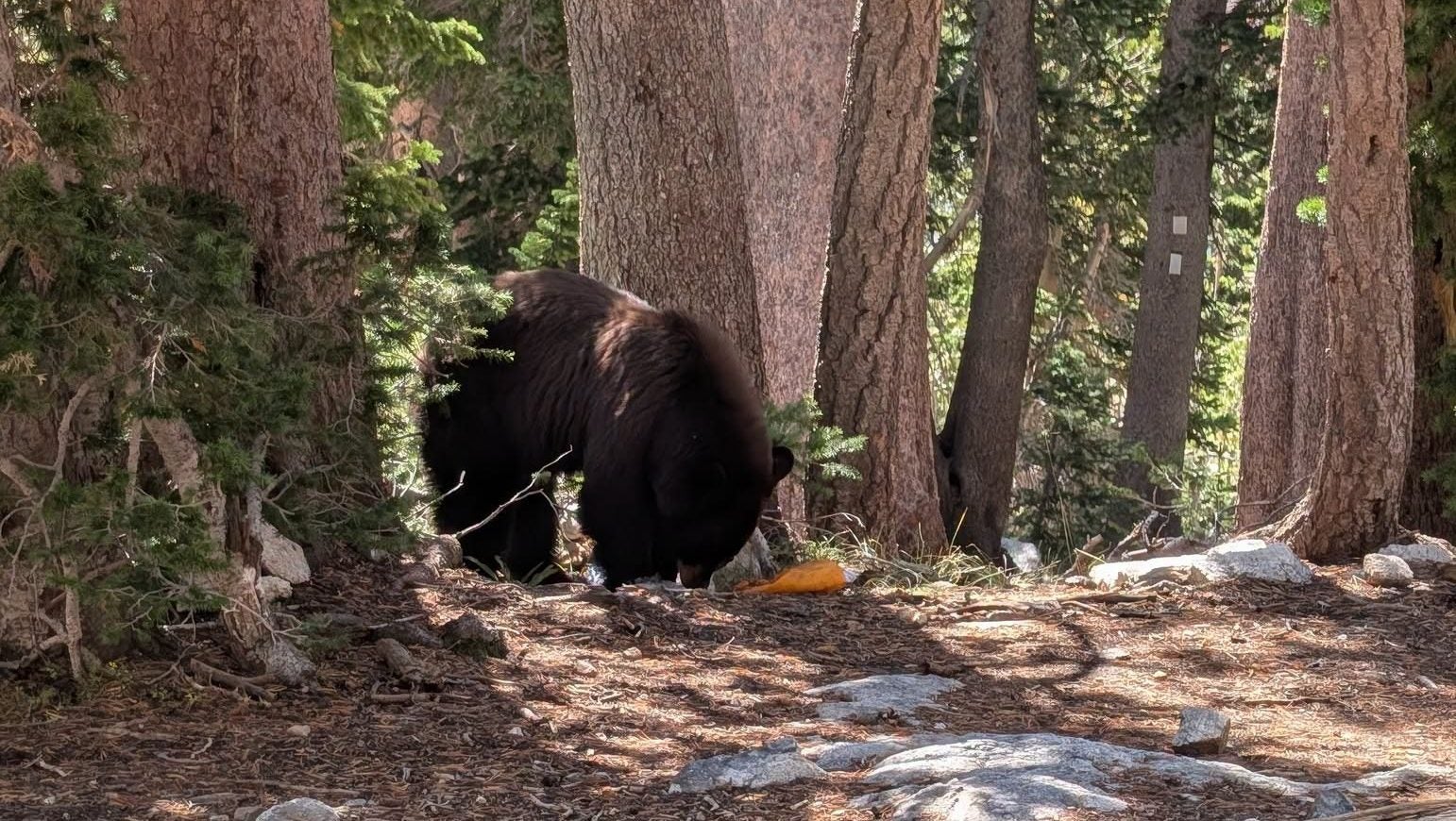
Publicly shared photographs reportedly showed visitors standing within feet of the bear to take pictures, alongside images of the bear accessing unattended food and gear.
4
The park’s warning stressed that visitors should retrieve all belongings if a bear approaches: “If you have time to grab your phone, you have time to grab your food.”
Grand Teton National Park staff euthanized a black bear near Delta Lake after visitors repeatedly left food and gear unattended, conditioning the animal to seek human meals. CBS News reported that the bear became increasingly difficult to haze away and posed an unacceptable safety risk. Park officials called the decision necessary but blamed visitors' "poor decisions" for forcing their hand.
Yahoo News noted that publicly shared photographs showed visitors standing just feet away to take pictures while the bear accessed unattended food. Park staff immobilized and euthanized the bear on site, then flew its carcass out of the remote backcountry the next morning. Officials stressed a stark reality: even a single food reward teaches a bear to associate people with meals.
How One Bear Became Food-Conditioned
The bear's troubles began earlier in the year when park staff first documented approaches to visitors. KSL reported that early encounters left officials uncertain whether the bear showed emerging food conditioning or was simply curious. Staff increased monitoring when the animal proved unusually resistant to hazing techniques — a red flag that suggested food association rather than normal behavior.
Park workers discovered the bear had accessed unattended food and gear multiple times. New York Post explained that once a bear receives even one food reward, it learns people equal meals. The conditioning escalates quickly: each success reinforces the behavior and makes the bear bolder around humans.
Why Park Officials Made the Hard Choice
Wildlife experts consider food-conditioned bears extremely dangerous. Comic Sands noted that the bear's escalating encounters with visitors created an unacceptable safety risk for both humans and the animal. Once a bear associates people with food, it typically continues seeking human interaction. Relocation rarely succeeds because the bear searches for food in new areas and often returns.
Park officials determined euthanasia was the only option. The bear had repeatedly accessed human food despite staff efforts to haze it away. Leaving the animal alive risked serious injury or death to park visitors who didn't understand the danger posed by a bear trained to approach humans for meals.
The Park's Message to Visitors About Bear Safety
Grand Teton officials released a direct warning: "If you have time to grab your phone, you have time to grab your food." Yahoo News reported that park staff urged all visitors to retrieve belongings immediately if a bear approaches, rather than standing nearby to photograph the encounter. This single action prevents the conditioning that led to this bear's death.
The euthanization reflects a larger pattern in America's national parks. Visitors often fail to secure food properly or leave gear scattered during backcountry camping. Park officials emphasized that these choices don't just endanger the current visitor — they teach bears to become predatory toward future groups. One visitor's mistake becomes a death sentence for the animal.
Sentiment
Mostly NegativeNEGATIVENEUTRALPOSITIVE
Publishers
16
Articles
26
Reach
42
Topics
A
AnonymousAuthor


