Earth Microbes on Moon
NASA-led study reveals that specific Earth microbes could survive on the moon.
Anonymous
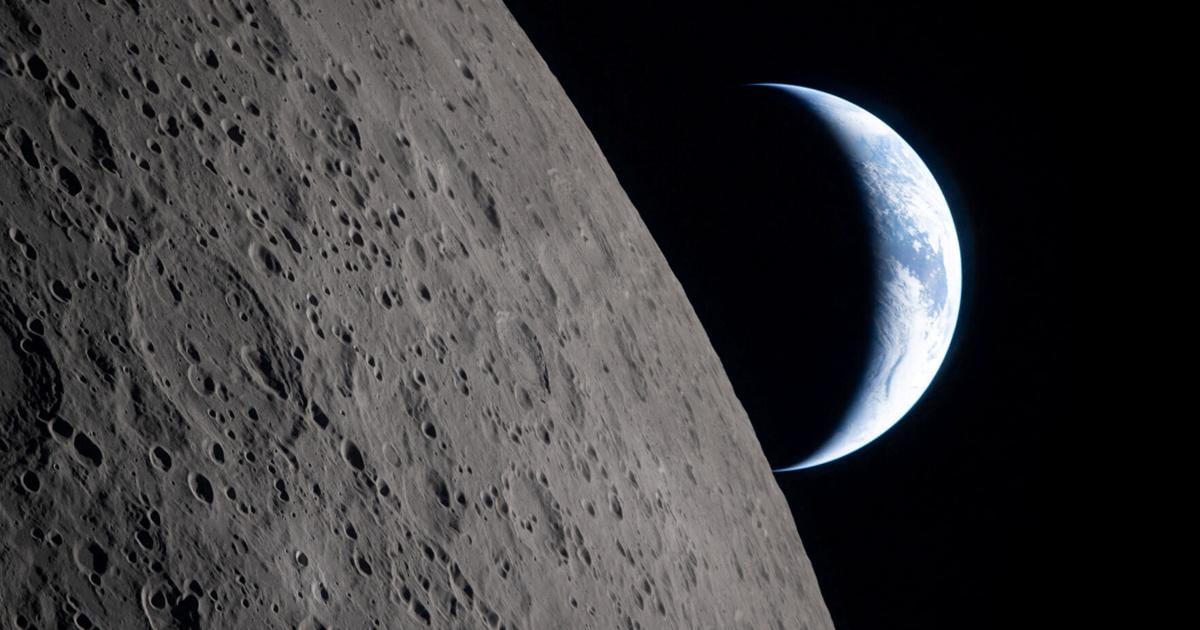
A NASA-led study has found that Earth microbes could survive on the moon, raising new concerns about contamination as the US and China prepare to return astronauts to the lunar surface. NASA Research discovered that five types of fungi and bacteria—including Aspergillus, Fusarium, and Deinococcus radiodurans—can withstand the moon's harsh conditions of extreme cold, intense UV radiation, and vacuum exposure. The findings were published in the journal Science Advances.
The research highlights a critical challenge for future lunar missions. Press of Atlantic City reports that some microbes could survive for extended periods under certain conditions on the lunar surface, a discovery that worries scientists about unintended biological contamination. If Earth organisms establish themselves on the moon, they could compromise scientific studies meant to search for signs of past or present lunar life.
Five Microbes Show Surprising Moon Resilience
NASA scientists tested five microorganisms to see which could handle lunar conditions. Tucson.com notes that Aspergillus proved most adaptable to the moon's polar regions, while Fusarium, a common soil fungus, also showed strong survival potential. Three additional species—Deinococcus radiodurans, Staphylococcus aureus, and Bacillus subtilis—demonstrated exceptional resistance to UV radiation, extreme heat, and energetic particle radiation.
Contamination Could Derail Lunar Science
Scientists worry that Earth microbes could disrupt decades of lunar research. Crossroads Today explains that the transfer of terrestrial organisms to the moon raises serious questions about scientific integrity. If microbes from Earth colonize the lunar surface, researchers may struggle to distinguish between biological evidence that originated on the moon and contamination brought by human missions.
Race to the Moon Intensifies International Pressure
The US and China are both planning to return astronauts to the moon for the first time since 1972, Omaha.com reports. Both nations aim to establish permanent lunar bases. This competitive push adds urgency to understanding microbial survival—mission planners must now develop stricter contamination protocols to prevent Earth life from spreading across the lunar environment.
Unanswered Questions About Mutated Moon Microbes
The NASA study left one critical gap unexamined. Greensboro.com notes that researchers did not investigate whether lunar conditions could trigger mutations that make microbes more dangerous as pathogens. The harsh radiation and vacuum on the moon could potentially alter microbial genetics in unpredictable ways, creating organisms unlike any found on Earth.
Sentiment
NeutralNEGATIVENEUTRALPOSITIVE
Publishers
9
Articles
9
Reach
9
A
AnonymousAuthor


