Economy's Mixed Outlook
US Economy Navigates Inflation, Iran Tensions Amidst Steady Hiring and Spending
Anonymous
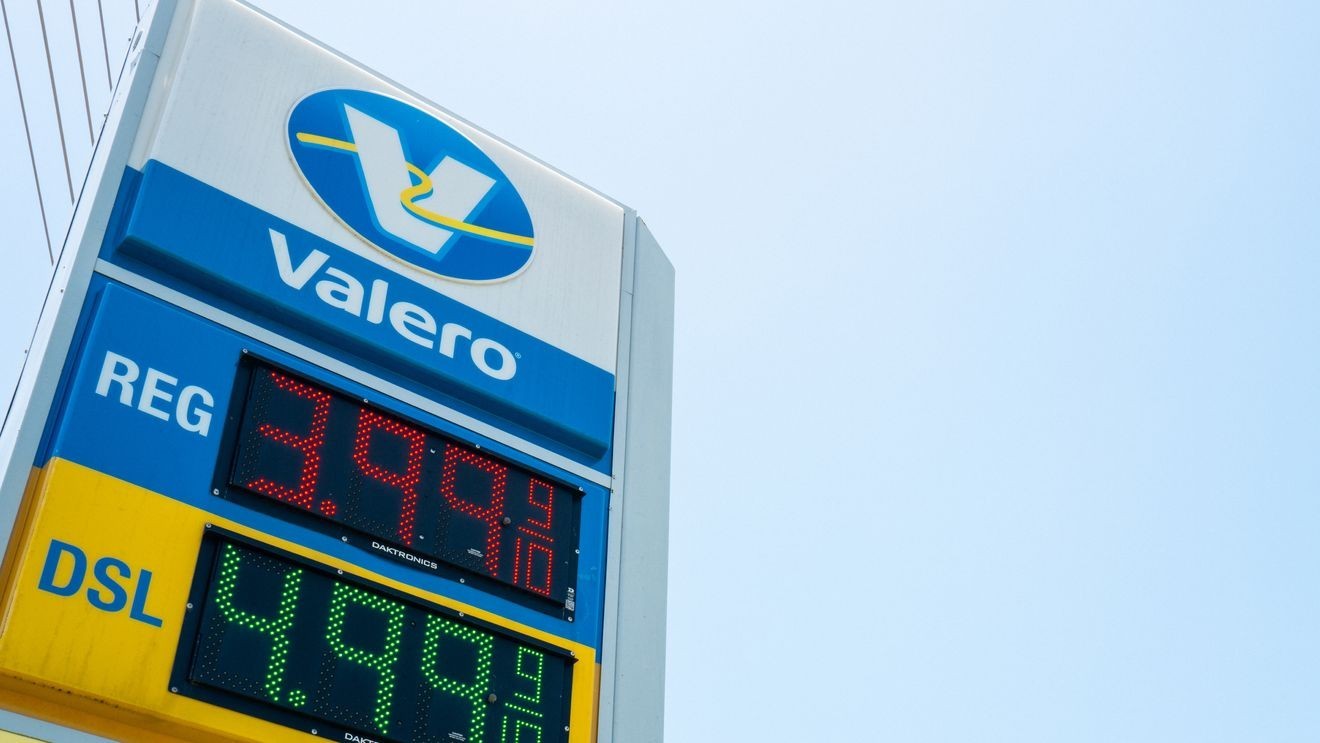
The U.S. economy grew at just a 1.5% pace in the second quarter — a sharp slowdown from recent years — and now faces two major threats that could slow it further: a war with Iran and the risk of new Federal Reserve interest rate hikes KOMO News.
Despite the slowdown, the economy shows real strength. Hiring has picked up, unemployment sits at a steady 4.2%, and consumer spending rose at a solid 3.2% pace KATV. But analysts warn those bright spots could fade fast if the Iran conflict disrupts global oil supplies or if inflation forces the Fed to act WSET.
GDP Growth Slows But Consumer Spending Holds Firm
The U.S. economy expanded at a 1.5% annual rate in Q2, well below the pace seen in recent years. That slowdown raised concerns about the economy's staying power heading into the second half of the year Fox 17.
Consumer spending — which drives roughly 70% of U.S. economic activity — rose at a 3.2% pace and helped prevent a steeper drop WGME. Business spending also climbed by 8.4%, a sign that companies are still investing despite uncertainty ABC News 4.
Five Years of High Inflation Have Stretched Family Budgets
Consumers have kept spending, but the strain is real. After five straight years of elevated inflation, household budgets are thinner than they used to be Fox San Antonio. Real wages — pay after inflation is subtracted — recently slowed, leaving many families with less buying power.
The Federal Reserve could make things harder. If inflation stays high, the Fed may raise interest rates again later this year Idaho News. Higher rates make it more expensive to borrow money for homes, cars, and business loans — which can cool the economy further.
Iran War Threatens Oil Supply Through Strait of Hormuz
The biggest danger facing the economy right now is the conflict with Iran News3LV. The key choke point is the Strait of Hormuz, a narrow waterway where about 20% of the world's oil and natural gas passes through every day.
If the strait is blocked or disrupted, energy prices could spike fast. Higher oil prices feed directly into gas prices, shipping costs, and the price of nearly everything else WUTV 29. That kind of shock could push inflation higher and force the Fed's hand on rate increases.
Strong Job Market Gives Economy a Fighting Chance
The labor market remains one of the economy's strongest shields. Unemployment held steady at 4.2%, and layoffs stayed low WWMT. Hiring has actually picked up speed this year, giving workers more confidence and more money to spend.
More jobs mean more paychecks — and more spending. That cycle has helped keep the economy moving even as growth slowed KMPH. But economists warn that even a strong job market can crack quickly if oil prices surge or borrowing costs climb sharply.
Sentiment
NeutralNEGATIVENEUTRALPOSITIVE
Publishers
18
Articles
17
Reach
18
A
AnonymousAuthor


