South Korea plans tokenized securities rollout Feb. 4
South Korea plans tokenized securities rollout Feb. 4
Anonymous
Key Points
1
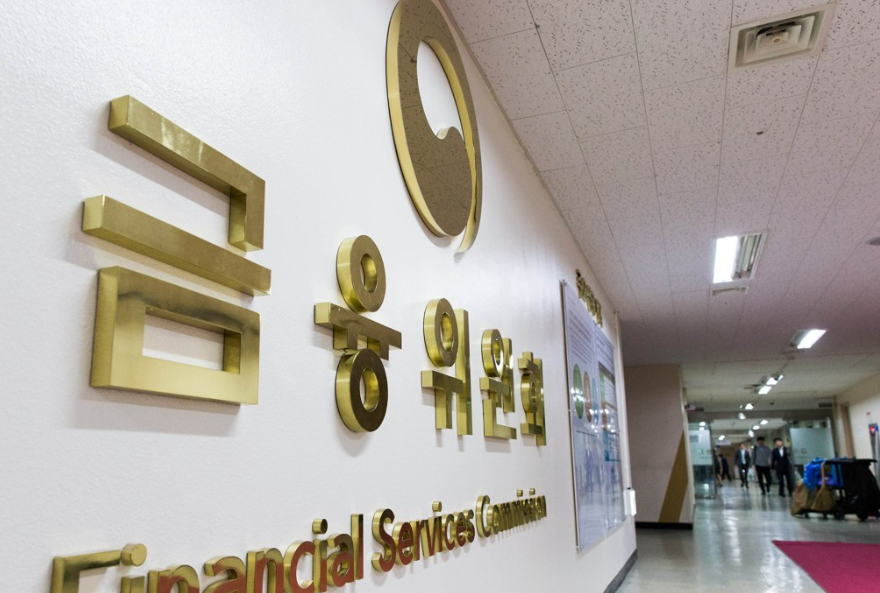
The Financial Services Commission said the move to allow pooling in fractional investment products reverses a rule that had been banned since December 2023, but will be permitted only on a conditional basis (including clear pooling criteria and objectives).
2
Regulators emphasized that tokenized securities are defined by the issuance method (distributed-ledger issuance) rather than by the underlying asset class—unlike “fractional investing,” the term “tokenized securities” refers to how a security is issued and managed.
3
The policy direction was unveiled jointly by the Financial Services Commission and the Financial Supervisory Service, framing the plan as an infrastructure build-out for tokenizing conventional instruments like stocks, bonds and funds beyond fractional products.
4
In addition to allowing tokenization of privately placed money market funds and bonds, the roadmap indicates the fractional-investment framework could later use ‘future receivables’ as underlying assets—provided the underlying contracts and investor-protection measures are in place.
5
For unlisted shares in Phase 1, the government’s described mechanism begins by placing existing electronic securities into trust before issuing and distributing them as tokenized beneficiary certificates—linking the conversion to the trust structure rather than treating tokens as a separate security type.
South Korea will begin rolling out tokenized securities on February 4, 2027, starting with privately placed bonds and money market funds for institutional investors. The Block reports the Financial Services Commission unveiled a three-phase plan to move blockchain-based trading beyond fractional investment products to cover conventional assets like stocks, bonds, and funds. The shift marks a major step toward modernizing South Korea's securities infrastructure.
The first phase limits tokenization to private placements, while unlisted shares will use a trust-and-beneficiary-certificate structure to convert existing electronic securities into tokens. CoinDesk notes regulators will not create new licensing requirements—existing market participants will handle tokenized products. Later phases will extend tokenization to retail investors and explore linking security transfers with stablecoin payments.
Fractional Investment Rules Get Relaxed After Three-Year Ban
South Korea is reversing a December 2023 ban on pooling assets in fractional investment products. Korea Times states the Financial Services Commission will now permit pooling of underlying assets of the same type, but only under strict conditions. Pooling must have clear criteria and objectives to protect investors from hidden risks.
Fractional investing lets ordinary people buy small pieces of expensive assets. Before the ban, platforms were mixing different asset types in pools. Now, regulators want each pool to contain only one asset class, making it easier for investors to understand what they own and what risks they face.
Phase One Limits Tokenization to Institutional Investors and Private Bonds
In the first phase starting February 4, 2027, tokenization applies only to privately placed securities and institutional investors. Coing Ape explains that unlisted company shares will move into trust accounts before being converted into tokenized beneficiary certificates. This structure avoids creating a new security type—instead, existing electronic securities become tokens through the trust system.
Privately placed money market funds and corporate bonds will also be tokenized in phase one. Regulators plan later phases to extend tokenization to public stocks and bonds available to ordinary retail investors. This gradual rollout allows regulators to monitor how tokenization affects markets before opening it to millions of retail traders.
Later Phases Will Link Tokens to Stablecoin Payments and Retail Trading
Phase two and three will extend tokenization to retail investors and explore on-chain settlement linked to stablecoin legislation. BigGo Finance reports the policy aims to speed market activity while keeping investor protections intact through standards for tokenized beneficiary certificates backed by non-monetary trusts. Settlement on blockchain could eventually link stock transfers directly with stablecoin payments.
Regulators emphasized that tokenized securities are defined by how they're issued—on a distributed ledger—not by what the underlying asset is. The roadmap also indicates fractional-investment rules could later use future receivables as underlying assets, provided investor protections are in place. This flexible approach lets South Korea build tokenization infrastructure gradually without sacrificing safety.
Sentiment
Mostly PositiveNEGATIVENEUTRALPOSITIVE
Publishers
12
Articles
2
Reach
14
A
AnonymousAuthor


