NYC Antisemitism Strategy
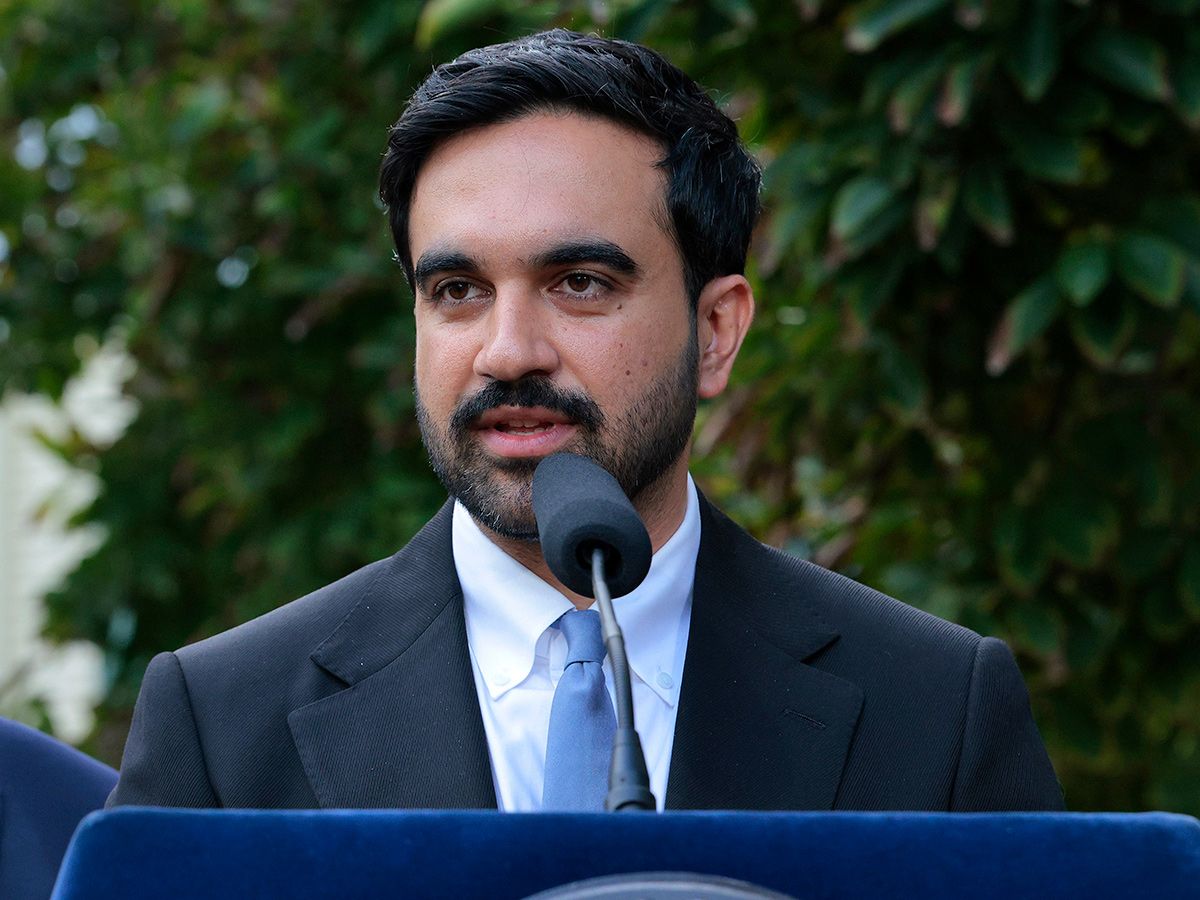
New York City Mayor Zohran Mamdani Unveils Comprehensive Antisemitism Strategy and Millions in Funding
Anonymous
Key Points
1
The city’s $7.4 million package includes $2 million for the Queens Holocaust Memorial Garden and $2.5 million for the Center for New Jewish Culture in Brooklyn.
2
The $6.4 million grant allocation doubles the previous year’s funding for community organizations focused on hate-crime prevention and survivor support.
3
The administration plans to restart an interagency Security Infrastructure Working Group to help Jewish institutions assess threats and strengthen security.
4
NYPD figures cited in the coverage showed antisemitic hate crimes had risen 8% in New York City so far that year.
New York City Mayor Zohran Mamdani unveiled the city's first municipal strategy to combat antisemitism on September 29, allocating $7.4 million for security, grants, and cultural programs. The package includes $6.4 million for hate-prevention and survivor-support grants—double the previous year's funding—plus $1 million for synagogue security and $4.5 million for Jewish cultural institutions including the Queens Holocaust Memorial Garden.
The strategy arrives as antisemitic hate crimes surge in the city. Jewish New Yorkers make up roughly 12% of the population but account for approximately 50% of reported hate crimes. According to NYPD, antisemitic incidents jumped 8% in the first eight months of 2026, rising to 229 cases. However, mainstream Jewish organizations criticized the plan for not addressing anti-Zionism, arguing that Mamdani's past rhetoric about Israel contributes to Jewish residents feeling targeted.
A City Divided Over How to Define Antisemitism
Jewish organizations welcomed the funding but split sharply on the strategy's scope. The ADL stated: "This mayor does not treat the hate facing Jewish New Yorkers as an emergency." The UJA-Federation of New York and American Jewish Committee criticized the omission of anti-Zionism language. But progressive groups like Bend the Arc praised Mamdani for distinguishing between antisemitism and criticism of Israel.
The divide reflects a deeper clash over the International Holocaust Remembrance Alliance definition of antisemitism. In January, Mamdani revoked Adams-era executive orders requiring that definition and restricting boycott activities targeting Israel. Rabbi Chaim Steinmetz of Congregation Kehilath Jeshurun argued the administration refuses to acknowledge how Israel-focused rhetoric endangers Jewish New Yorkers.
$7.4 Million Package Doubles Community Grant Funding
The strategy carves funding into three buckets: $6.4 million for community groups running hate-crime prevention and survivor support—double last year's allocation—$1 million for physical security at synagogues and houses of worship, and $4.5 million for cultural institutions. The Queens Holocaust Memorial Garden receives $2 million and the Center for New Jewish Culture in Brooklyn gets $2.5 million.
Phylisa Wisdom, executive director of the Mayor's Office to Combat Antisemitism, framed the plan as "a clear commitment from New York City government and a roadmap for the meaningful work ahead." The administration also plans to restart an interagency Security Infrastructure Working Group to help Jewish institutions assess threats and strengthen physical defenses.
Education Expansion and Antisemitism Monitoring
Beyond funding, the 33-page strategy mandates integration of Jewish history into public school curricula and expanded anti-bias training across city agencies. The administration plans enhanced public information campaigns about reporting discrimination and hate incidents. Mamdani pledged to "build a city where Jewish New Yorkers are not only safe but celebrated."
The strategy comes after sharp public criticism from Prime Minister Netanyahu, who called Mamdani "the antisemitic mayor of New York" during the September UN General Assembly. The label intensified pressure on the mayor to demonstrate commitment to combating antisemitism while maintaining his refusal to adopt the IHRA definition that opponents say conflates anti-Israel activism with bigotry.
Sentiment
Mostly NegativeNEGATIVENEUTRALPOSITIVE
Publishers
29
Articles
77
Reach
106
A
AnonymousAuthor


