Storm Forces Flight Diversion
Turkish Airlines Flight Diverts to Enfidha After Severe Storm Turbulence Forces Aborted Landings
Anonymous
Key Points
1
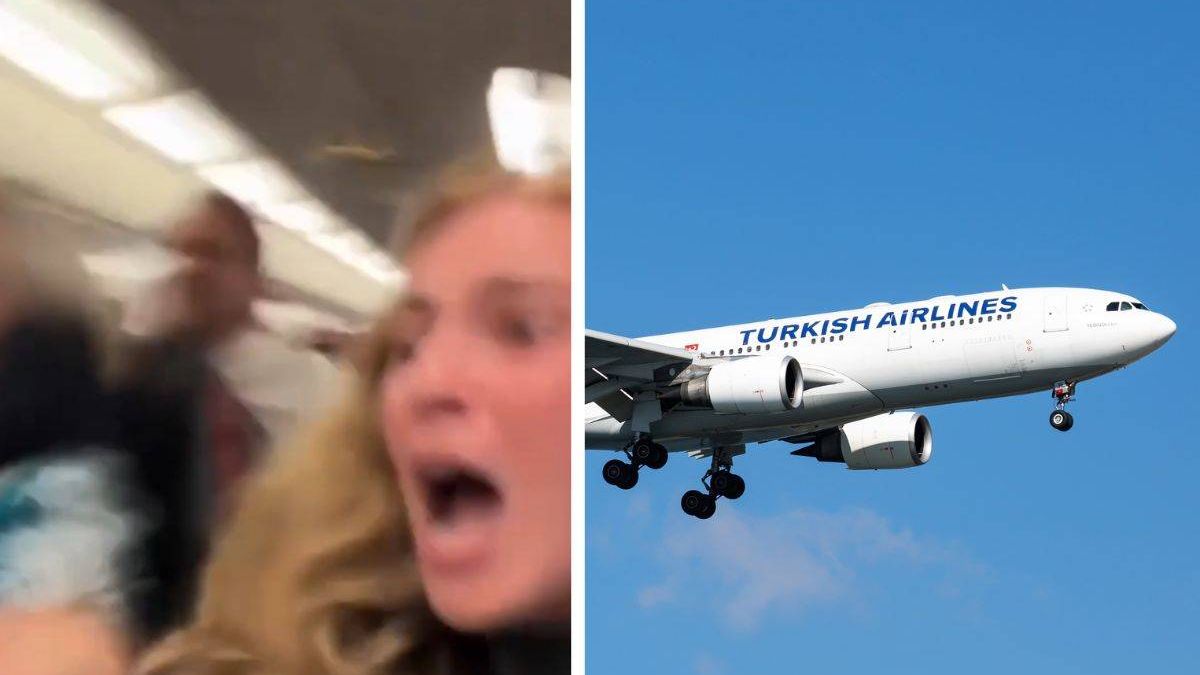
The aircraft was identified as an Airbus A321, and footage of the turbulence went viral on social media after passengers recorded the cabin during the incident.
2
Passengers reportedly pleaded with the crew to divert rather than make another attempt to fly through the storm; some were heard shouting, “We will die.”
3
Passengers applauded and thanked the crew after the aircraft reached Enfidha-Hammamet safely, contrasting with the panic heard during the earlier descent.
4
The report placed the incident in a broader aviation trend, citing University of Reading data that the frequency and intensity of turbulence rose by 55% between 1979 and 2020, with further increases projected as global temperatures rise.
5
Turkish Airlines had not issued an official statement at the time of the report, while the Daily Mail said it had sought comment from the airline.
A Turkish Airlines Airbus A321 from Istanbul to Tunis diverted safely to Enfidha-Hammamet International Airport after three failed landing attempts in severe storms. Daily Record reported that passenger Marina Maiskaya described violent turbulence that made the cabin shake intensely, with passengers screaming and gripping their seats as the aircraft appeared to drop sharply through the sky.
No injuries were reported after the plane landed safely about 60 miles south of Tunis. Belfast Live noted that terrified passengers shouted 'we will die' during the descent, pleading with the crew to abandon the landing attempts and seek a safer airport.
Panic in the Cabin During Three Landing Attempts
During the descent into Tunis, the aircraft experienced extreme turbulence from the violent storm. Lancs Live reported that passengers recorded footage showing the cabin shaking violently as the plane repeatedly attempted to land. The video later went viral on social media, capturing the raw panic among travelers. Some passengers were heard crying and begging the pilots to stop trying to land and find another airport instead.
The crew made three separate approaches to Tunis-Carthage International Airport before deciding the conditions were too dangerous. Leeds Live described how the aircraft circled the airport multiple times as weather conditions worsened, forcing pilots to choose a diversion to the safer Enfidha-Hammamet location to the south.
Passengers Thank Crew After Safe Landing
The mood shifted dramatically once the Airbus A321 touched down safely at Enfidha-Hammamet. Passengers applauded and thanked the flight crew for their skilled handling of the dangerous situation. The contrast was stark—from the screaming and terror during descent to relief and gratitude after landing, showing the crew's decision to divert had been the right call.
Rising Turbulence Linked to Climate Change
This incident reflects a broader aviation trend tied to global warming. Nottingham Post cited University of Reading data showing that turbulence frequency and intensity rose 55% between 1979 and 2020, with projections for further increases as global temperatures continue to climb. Severe weather events like the storm that hit the Turkish Airlines flight are expected to become more common and more intense in coming years.
Sentiment
Mostly NegativeNEGATIVENEUTRALPOSITIVE
Publishers
21
Articles
24
Reach
45
A
AnonymousAuthor


