ER Doctor Burnout Crisis
Canadian Emergency Doctors Face Sustained Burnout, Leaving Specialty and Threatening Patient Care
Anonymous
Key Points
1
Ontario announced a funding package totaling more than $1 billion to bolster hospital emergency departments, including support for facilities like the Royal Victoria Regional Health Centre in Barrie, as part of addressing rising ED demand.
2
The CMAJ longitudinal study found that roughly 10% of emergency physicians had left emergency medicine, while 48% reduced their clinical hours and 20% took time off due to burnout.
3
Crowded EDs include scenes of patients waiting in chairs and a rise in left-without-being-seen cases, with some patients waiting up to 14 hours or more, raising concerns about patient safety and outcomes.
4
Overall burnout burden remains high, with 65% of respondents scoring high on either emotional exhaustion, depersonalization, or both, highlighting a substantial single-measure risk across the workforce.
5
The CMAJ study surveyed 410 emergency medicine physicians across Canada, excluding Yukon and Nunavut, and tracked data from 2020, 2022, and 2025, indicating burnout levels have remained substantively unchanged since the COVID-era peaks.
One in ten Canadian emergency room doctors have left the specialty due to burnout, according to a new study published in the Canadian Medical Association Journal. CTV News reported that nearly half of those who stayed have cut their clinical hours, and one in five took time off entirely because of burnout.
The findings paint a grim picture of a system under severe strain. Sixty-five percent of the 410 physicians surveyed scored high on at least one burnout measure. Doctors describe a "broken" health care system — and most expect things to get worse, not better.
Burnout Numbers Have Barely Moved Since COVID
The CMAJ study tracked emergency physicians across Canada in 2020, 2022, and 2025, covering all provinces except Yukon and Nunavut. Researchers surveyed 410 doctors in 2025. They found 46% had high emotional exhaustion and 55% had high depersonalization — a feeling of emotional distance from patients. Daily Guardian noted these numbers have stayed largely unchanged since the pandemic's peak.
Women and younger doctors were hit hardest. About 10% left emergency medicine altogether. Another 48% reduced their shifts, and 20% took a leave of absence. Researchers say this is not a COVID hangover. It is a persistent, structural problem that threatens the long-term supply of emergency care across the country.
Overcrowded ERs Leave Patients Waiting Up to 14 Hours
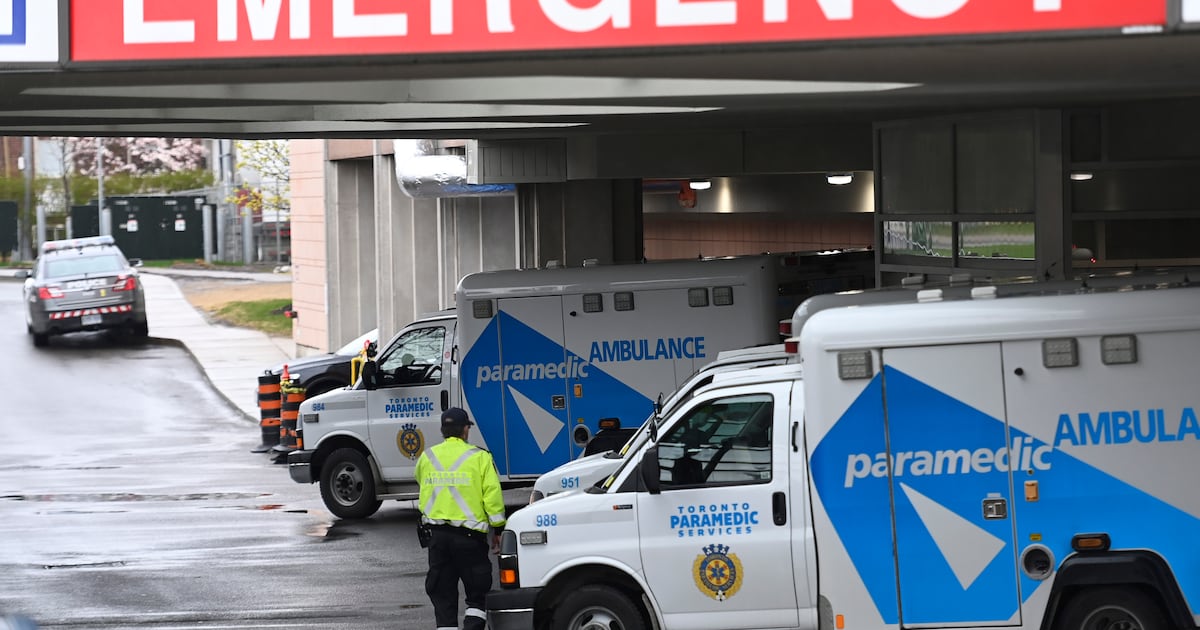
The human cost shows up in waiting rooms. Global News reported patients sitting in chairs for up to 14 hours or more. Some leave without ever seeing a doctor — a trend called "left-without-being-seen" that is rising across the country. Emergency departments have run out of beds, forcing staff to assess patients in hallways and chairs.
Doctors say overcrowding forces them to make harder choices with less time. That pressure erodes care quality. It also accelerates burnout, creating a cycle — fewer doctors means longer waits, which burns out the remaining doctors faster.
Ontario Pledges Over $1 Billion for Emergency Department Relief
Ontario announced a funding package of more than $1 billion to support hospital emergency departments. Facilities like the Royal Victoria Regional Health Centre in Barrie were named as beneficiaries. The money is aimed at meeting rising demand as more patients flood ERs while the physician workforce shrinks. Daily Guardian reported the announcement as part of a broader push to address the staffing crisis.
Doctors and Researchers Call for Systemic Fixes
Emergency physicians are not just burned out — they are leaving. Some have retired early. Others have shifted to other areas of medicine with lighter workloads. CTV News reported that doctors describe feeling abandoned by a system that asks too much and offers too little support. Many say governance, staffing ratios, and workload rules need to change — not just funding.
Researchers behind the CMAJ study say the data is a warning. Emergency medicine is losing its workforce at a pace the system cannot sustain. Without structural reform, patient safety will continue to suffer. The study urges governments and health administrators to act before the shortage becomes irreversible.
Sentiment
Mostly NegativeNEGATIVENEUTRALPOSITIVE
Publishers
19
Articles
58
Reach
77
Topics
A
AnonymousAuthor


