Consumer Confidence Slips
American Consumer Confidence Declines in July Amid Rising Gas Prices and Tensions
Anonymous
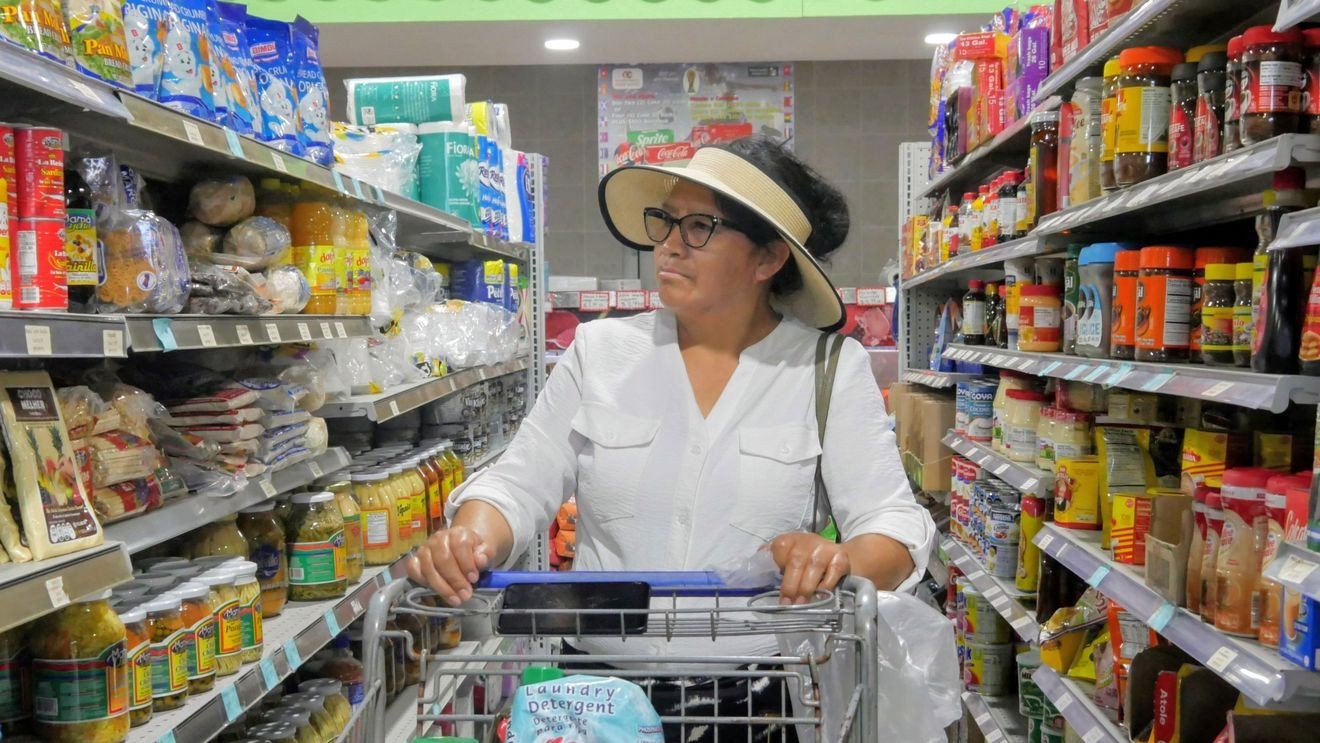
American consumer confidence slipped in July, falling 1.4 points to 90.8 on The Conference Board's monthly index, according to Idaho News. That marks the third-lowest reading in the past 12 months and the lowest July score since 2014.
Rising U.S.-Iran tensions and higher gas prices drove the dip. The Conference Board's Chief Economist Dana M. Peterson summed up the national mood in one word: "concerned."
What Pushed Consumer Confidence to a July Low
The Conference Board tracks how Americans feel about the economy and their personal finances every month. July's reading of 90.8 is well below where many economists want to see it. WGME reported the index has now hit its third-lowest point in the last year.
Two forces pushed the number down. Escalating tensions between the U.S. and Iran rattled markets. At the same time, gas prices climbed, squeezing household budgets. Both factors hit consumers at the same time, making people feel less secure about spending.
Peterson Warns Against 2014 Comparisons
The last time July confidence was this low was 2014. But Peterson urged caution before drawing direct comparisons. The economic backdrop more than a decade ago was very different, WLOS noted. Interest rates, inflation, and the job market all looked quite different then.
Peterson said reading too much into the historical comparison can mislead. Today's economy has its own pressures. Comparing a single index number across different eras without context can paint a false picture of how bad — or good — things really are.
AI Job Fears and Housing Costs Weigh on Americans
Beyond gas prices and geopolitics, Peterson pointed to two deeper worries. First, many Americans fear that artificial intelligence will take their jobs. Second, rising housing costs are making it harder for people to afford a place to live, according to Fox San Antonio.
These are not short-term fears. They reflect structural shifts in the economy that millions of workers feel every day. When people worry about their job security and housing at the same time, their willingness to spend tends to pull back — which can slow economic growth.
Consumer Anxiety Could Shape Upcoming Elections
A nation described as "concerned" by its own economists is a nation paying close attention to politics. KATV reported that these confidence trends are expected to play a major role in the upcoming midterm elections. Voters who feel financially squeezed tend to punish whoever is in power.
With housing costs up, gas prices rising, and job security in question, economic anxiety is becoming a political force. How leaders respond to these worries — on AI, energy, and housing — could define the next election cycle.
Sentiment
NeutralNEGATIVENEUTRALPOSITIVE
Publishers
18
Articles
17
Reach
18
A
AnonymousAuthor


