Saudi Pipeline Smoke
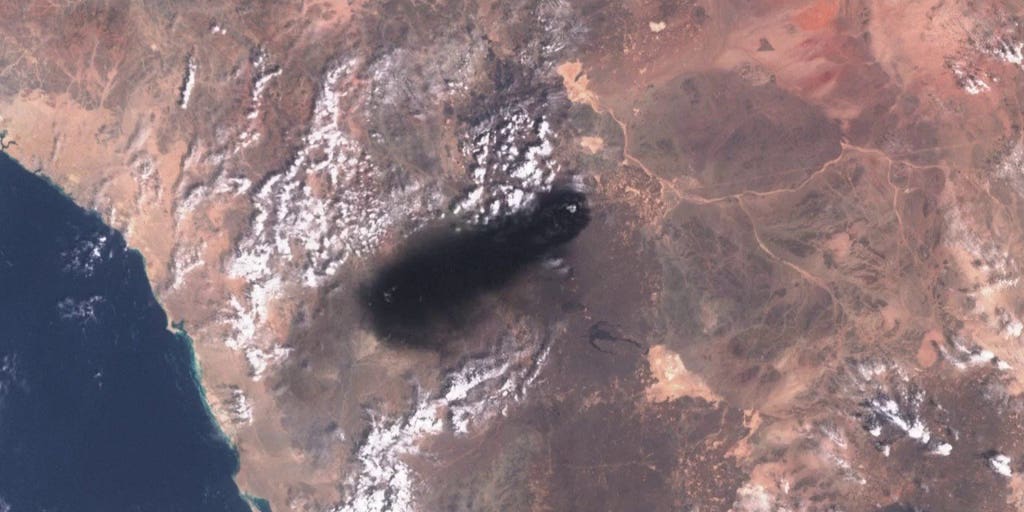
Satellite data and reports indicate smoke near Saudi Arabia's strategic East-West oil pipeline.
Anonymous
Trending on X25th anniversary of 9/11 amid ongoing global security concerns
Key Points
1
The East-West Pipeline is more than 1,200 kilometers long and has 13 pumping stations with stated capacity of about 7 million barrels per day.
2
The reported activity was detected by multiple satellite-monitoring systems: Sentinel-3 imagery showed a black smoke plume, while NASA’s FIRMS system identified clustered thermal anomalies.
3
A social-media account claimed the thermal signal reached more than 70 megawatts and lasted roughly eight hours, arguing that its intensity and tight clustering were inconsistent with routine flaring, venting, maintenance or normal pump-station activity.
4
The reported pipeline incident follows a week of confirmed Houthi attacks in southern Saudi Arabia that caused fires and injuries at other energy facilities, a backdrop that analysts described as more materially relevant to oil-risk premiums than the unverified pipeline claim.
5
Reuters verified the presence of smoke in satellite imagery, but Saudi authorities and Aramco had not corroborated the cause or confirmed any operational disruption.
Satellite images and social-media posts show smoke and thermal signals near Saudi Arabia's East-West oil pipeline, with some accounts claiming a Houthi strike. Fox News reported that smoke rose from the pipeline amid Houthi escalation. However, Saudi authorities and Aramco have not confirmed any attack, damage, or operational disruption, leaving the reports unverified as of now.
The East-West Pipeline stretches over 1,200 kilometers and moves crude from the Abqaiq field to Yanbu on the Red Sea, bypassing the Strait of Hormuz where shipping has been disrupted. Reuters verified the presence of smoke in satellite imagery but found no official confirmation of the cause. Any confirmed damage could raise oil prices and heighten global supply concerns.
Satellite Data Shows Thermal Spikes and Smoke Plumes
Satellite systems detected multiple thermal anomalies clustered tightly along the pipeline route between Medina and Mahd adh-Dhahab. Sentinel-3 imagery captured a black smoke plume, while NASA's FIRMS system identified the heat signatures. A social-media account claimed the thermal signal exceeded 70 megawatts and persisted for roughly eight hours, arguing the intensity ruled out routine flaring or maintenance.
Houthi Campaign Intensifies Across Saudi Energy Targets
The reported pipeline activity follows a week of confirmed Houthi drone and missile strikes on other Saudi energy facilities in the south, causing fires and injuries. Oil Price reported that drone strikes hit the vital East-West pipeline system. Analysts said these verified attacks on multiple facilities carry more weight for oil-risk premiums than a single unconfirmed pipeline claim.
The pattern of escalating Houthi attacks reflects the broader regional conflict triggered by the US-Israeli campaign against Iran. Yemen-based Houthis have expanded their targeting to include energy infrastructure critical to Saudi exports and the global oil market.
Why the Pipeline Matters to Global Oil Supply
The East-West Pipeline has a stated capacity of about 7 million barrels per day and includes 13 pumping stations. It provides Saudi Arabia's primary alternative export route when the Strait of Hormuz faces disruption. Daily Beirut reported that the Ministry of Energy's East-West pipeline in the Riyadh and Medina regions was targeted early Thursday, leading authorities to temporarily shut it down.
Loss of the pipeline would force Saudi crude onto slower shipping routes through the Strait of Hormuz, where Houthi attacks have already disrupted traffic. Oil prices could spike if the disruption persists, amplifying costs for refineries and consumers worldwide.
Unconfirmed Reports Should Not Drive Oil Markets Yet
Despite satellite imagery and social-media claims, neither Saudi officials nor Aramco have issued statements confirming the attack, cause, or any operational damage. Reuters verified smoke in satellite images but emphasized the lack of official corroboration. Analysts caution that treating unverified reports as fact risks overreacting to speculation rather than evidence.
The distinction matters: confirmed attacks on other facilities justify caution about oil supply. An unconfirmed pipeline incident should not drive substantial price moves until authorities release facts. Markets remain volatile as new information emerges.
Sentiment
Mostly NegativeNEGATIVENEUTRALPOSITIVE
Publishers
52
Articles
179
Reach
231
A
AnonymousAuthor


