Devolution Budget
Chancellor Healey's October 28 Budget to Outline Major Regional Devolution Plans and Fiscal Discipline
Anonymous
Key Points
1
England’s elected mayors will be allowed to retain and spend business rates raised in their regions to support local economic growth.
2
A joint letter from Healey and Burnham reportedly instructs ministers that all new announcements, including technical education reforms and mayoral devolution, must be funded from within existing budgets.
3
Labour’s 2024 manifesto commits not to raise the three main tax rates—income tax, VAT, and National Insurance contributions.
4
Healey became Chancellor after replacing Rachel Reeves, taking on the task of delivering the new administration’s budget and balancing ambitions with market confidence.
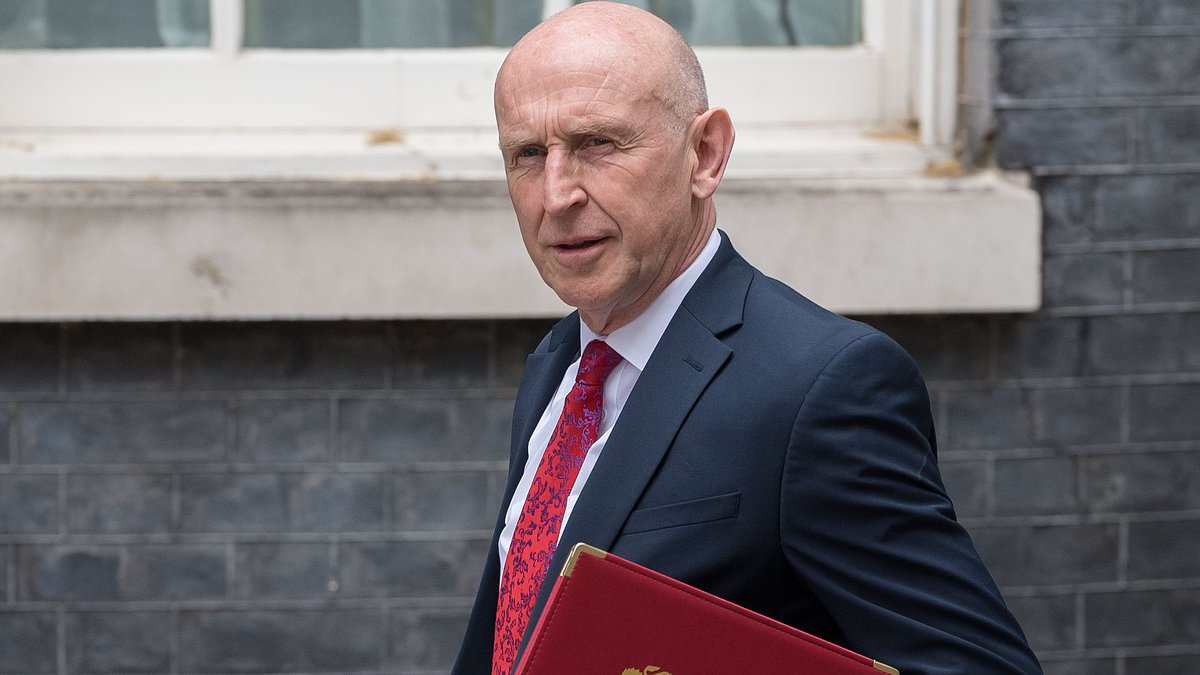
Chancellor John Healey has confirmed that Britain's first Autumn Budget under the Burnham government will take place on October 28, Daily Mail reported. The date comes nearly a month earlier than Rachel Reeves' last Budget, in a move designed to get ahead of inflation pressures linked to the Iran conflict.
Healey has asked the Office for Budget Responsibility to produce fresh economic forecasts to guide the spending and tax decisions. London Insider reports that tax rises are widely expected, even as the Chancellor pledges to "shift power and money out of Westminster" and into local communities.
Healey Takes the Reins After Replacing Rachel Reeves
Healey stepped into the Chancellor role after replacing Rachel Reeves. His first Budget is his chance to set the economic direction of the new government. Newsy Today reports that the announcement comes against a difficult backdrop, including high borrowing costs and inflation pressures tied to the ongoing Iran conflict.
A joint letter from Healey and Prime Minister Burnham reportedly tells ministers that all new spending plans must be funded from within existing budgets. That includes technical education reforms and the planned expansion of mayoral powers. No new money is on the table for unplanned announcements.
Devolution Push Gives Mayors More Money and Power
A key part of the Budget is a big devolution package for England. Elected mayors will be allowed to keep and spend business rates raised in their own regions. The goal is to boost local economic growth and reduce dependence on central government grants.
London Insider says a white paper will be published alongside the Budget. It is expected to outline how mayors could gain a share of income tax revenue raised locally. That would mark a major shift in how public money flows in England.
Fiscal Rules Hold Even as Borrowing Costs Rise
Healey has promised to stick to strict fiscal rules. That means balancing day-to-day spending with tax revenues by the end of the decade. The government is also keeping a financial buffer in place to protect market confidence, Daily Mail reported.
Borrowing costs have risen in recent weeks, partly driven by inflation fears linked to the Iran conflict. Despite this, Labour's 2024 manifesto commitment remains in place: the three main tax rates — income tax, VAT, and National Insurance — will not go up. Other taxes, however, are not off the table.
Cost-of-Living Policies Shape the Budget's Starting Point
The Budget does not arrive in a vacuum. Previous cost-of-living interventions are already part of the fiscal backdrop. These include scrapping VAT on electricity bills and a cap on bus fares. Both measures cost money, adding pressure on Healey to find savings elsewhere.
Defence spending and social care are also expected to feature in the October 28 package, Newsy Today reported. The government wants to show it can fund big priorities without breaking its own rules. Markets will be watching closely when Healey stands up to deliver his first Budget statement.
Sentiment
Mostly NegativeNEGATIVENEUTRALPOSITIVE
Publishers
27
Articles
80
Reach
107
A
AnonymousAuthor


