South Africa's Labor Crisis
South Africa's Farms and Factories Face Severe Labor Shortages After Migrant Exodus
Anonymous
Key Points
1
In the Western Cape's fruit-producing regions, unharvested citrus remains on trees while vineyards face critical labour shortages during the grape harvest season.
2
Durban's Chatsworth industrial area has been hit by the departure of skilled machinists from Malawi and Mozambique, leaving factories struggling to meet orders.
3
Some cane-cutting workforces are being replenished by workers from Lesotho in certain regions, as local labour avoids physically demanding cane-cutting jobs.
4
The anti-migrant unrest linked to the exodus included fatalities, with police data indicating at least four foreigners killed during the protests.
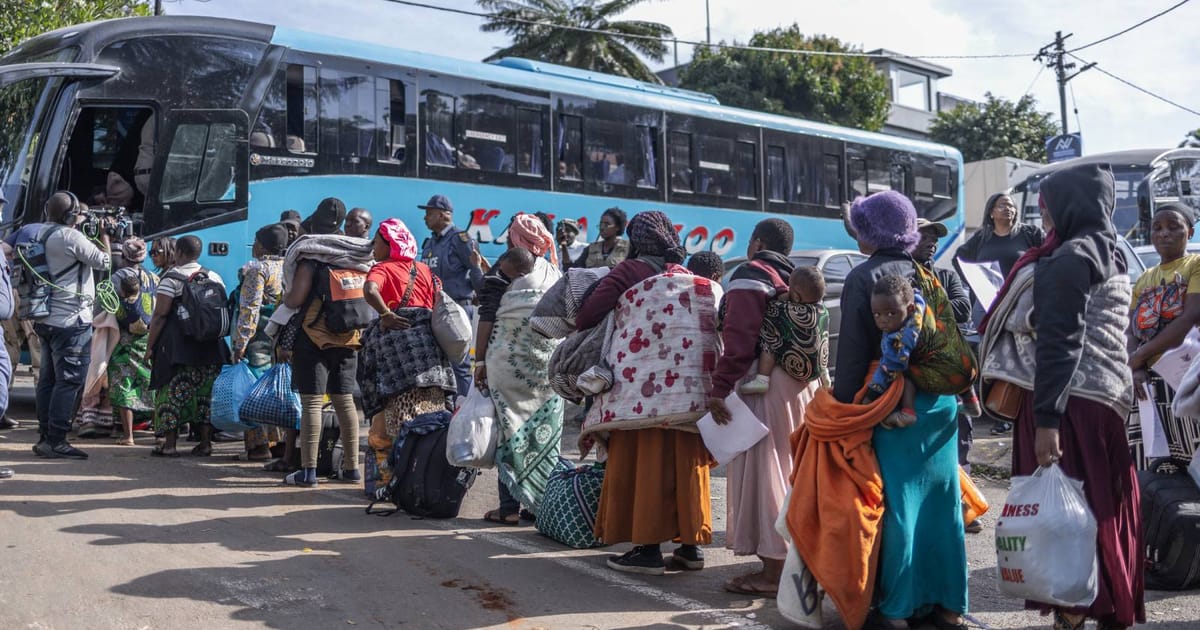
More than 160,000 foreign workers have fled South Africa, leaving farms, factories, and households scrambling to replace them, according to France 24. The exodus followed anti-migrant protests and a government crackdown on undocumented workers, with anti-foreigner groups setting June 30 as an unofficial deadline for migrants to leave.
The departures have triggered a broad labour crisis. Zimbabweans make up the largest share of those who left, and police data cited by RFI shows at least four foreigners were killed during the unrest that drove the exodus.
Citrus Left on Trees as Farm Labour Dries Up
In the Western Cape, unharvested citrus is rotting on trees. Vineyards face critical shortages during the grape harvest season. Farm owners say they cannot find enough workers to replace those who left, according to Free Malaysia Today.
The sugar belt in KwaZulu-Natal has been hit especially hard. Some cane-cutting workforces have shrunk by as much as 80 percent. Mill operations are at risk. Workers from Lesotho are now being recruited to fill some of the gaps, since local workers largely avoid the physically demanding cane-cutting work, RFI reported.
Skilled Machinists Gone, Durban Factories Fall Behind
In Durban's Chatsworth industrial area, factories are struggling to meet orders. Skilled machinists from Malawi and Mozambique have left in large numbers. Their departure has left production lines short-handed with few qualified local replacements available, according to The Citizen.
Industry leaders say the problem goes beyond farming. Manufacturing, construction, and domestic work all depended heavily on migrant labour. Employers say local candidates are often unwilling to take on the most physically demanding roles, compounding the shortfall.
Unions and Employers Clash Over Who Is to Blame
Labour unions push back on the idea of a genuine worker shortage. They argue employers simply prefer migrants because they accept lower wages. Unions say local workers are available if employers are willing to pay fairly, according to Morning Chronicle.
Employers counter that the numbers tell a different story. With 80 percent of some workforces gone overnight, production targets are now at serious risk. The two sides remain far apart on the cause of the crisis.
Government Eyes Seasonal Worker Scheme to Fill the Gap
The South African government has pushed a locals-first hiring approach. But officials now acknowledge the gaps left by the exodus are real. The government is exploring a regulated seasonal worker scheme to bring in foreign labour through legal, controlled channels, RFI reported.
The scheme would let specific industries recruit foreign workers for set periods. It mirrors programmes used in Europe and North America. Whether it can be launched fast enough to save the current harvest season remains unclear.
Sentiment
Mostly NegativeNEGATIVENEUTRALPOSITIVE
Publishers
10
Articles
23
Reach
33
Topics
A
AnonymousAuthor


