Life Sentence for Genocide
Dutch Court Sentences Rwandan Man to Life Imprisonment for 1994 Genocide Crimes
Anonymous
Key Points
1
The long-running investigation culminated in testimonies from more than 30 witnesses, with nine victims or their next of kin attending the trial in person, underscoring the international scope of the case and cooperation with Rwanda.
2
Dutch nationality prevented Rwanda from extraditing the suspect; although Rwanda issued an international arrest warrant in 2014, the Netherlands could not extradite him because he had acquired Dutch nationality.
3
The defense indicated they will almost certainly appeal the verdict, signaling potential post-trial proceedings.
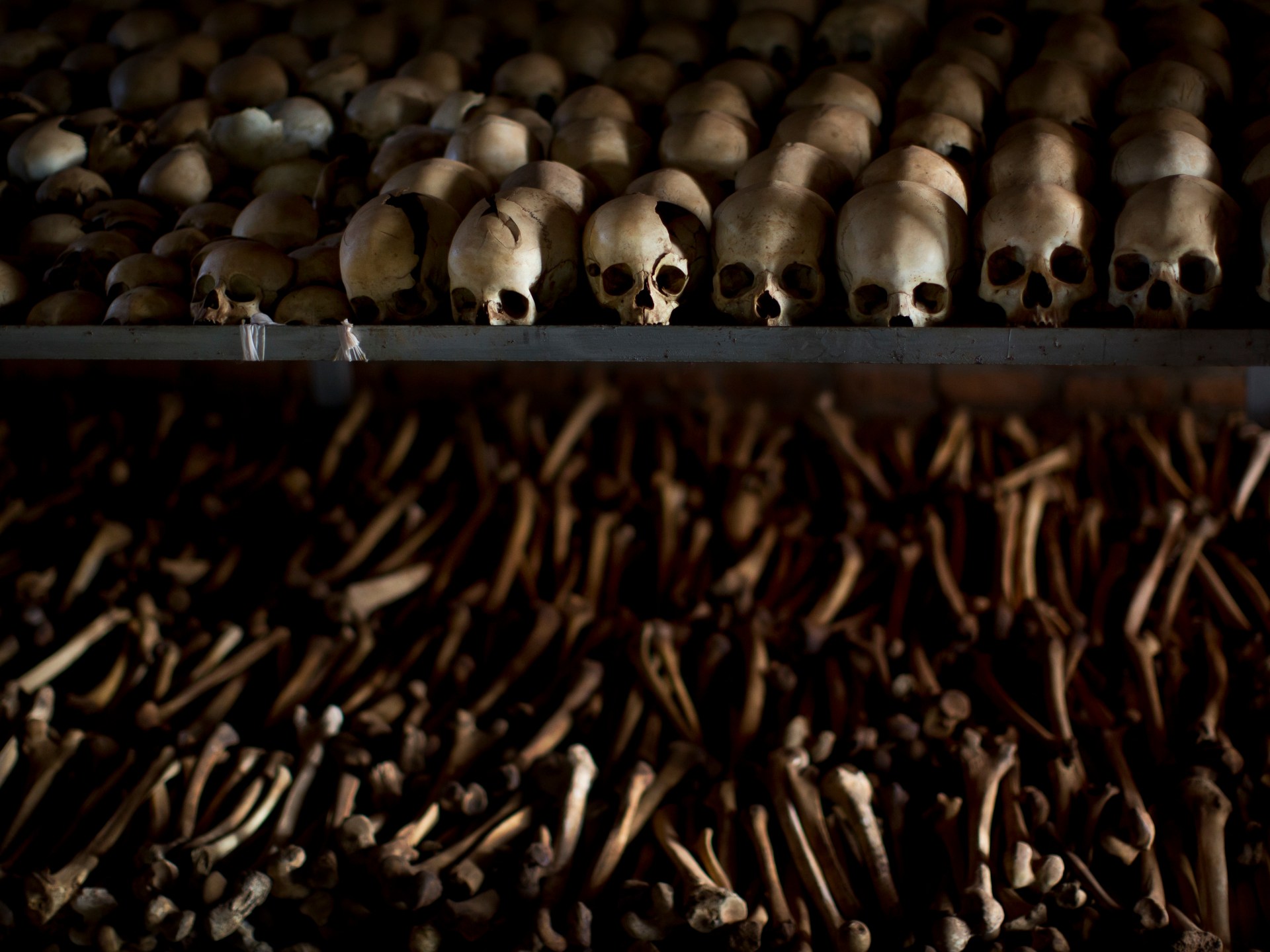
A Dutch court convicted Eugene N., a Rwandan-born Dutch national, of genocide and war crimes for his role in the 1994 Rwandan genocide, sentencing him to life in prison Al Jazeera. The court found he helped massacre roughly 3,000 Tutsis at a stadium in Mbazi by blocking escape routes and throwing a grenade into the crowd Daily Tribunal 24. He fled Rwanda for the Netherlands in 1998 and obtained Dutch citizenship before his arrest in 2024 after a lengthy investigation J Post.
Decades-Long Hunt Across Borders Ends in Conviction
Eugene N. left Rwanda in 1998 but eluded justice for over two decades. When Rwanda issued an international arrest warrant in 2014, the Netherlands refused to extradite him because he had acquired Dutch nationality Archynetys. Investigators finally tracked him down and arrested him in 2024 after interviewing more than 30 witnesses and nine victims or their families who attended the trial J Post.
The Mbazi Stadium Massacre and Genocidal Intent
On the day of the massacre, prosecutors say Eugene N. acted with clear genocidal intent. He prevented Tutsis from fleeing the stadium, threw a grenade into the crowd, and participated in looting and arson beforehand Daily Tribunal 24. The defense argued he tried to stop the genocide and was himself a victim, but the court rejected this claim Yahoo News.
Universal Justice for Rwanda's Darkest Chapter
This conviction reflects Europe's broader commitment to holding genocide suspects accountable under universal jurisdiction laws. Dutch and other European courts have pursued cases for decades. The 1994 genocide killed roughly 800,000 people in three months, mostly Tutsis Al Jazeera. Eugene N.'s conviction signals that distance and time do not shield perpetrators from prosecution.
Defense Plans Appeal as Case Moves Forward
The defense has signaled they will almost certainly appeal the life sentence verdict J Post. The appeal could extend proceedings for months or years. If upheld, the conviction will mark another milestone in the Netherlands' role holding Rwanda genocide suspects accountable in European courts.
Sentiment
Mostly NegativeNEGATIVENEUTRALPOSITIVE
Publishers
11
Articles
97
Reach
108
A
AnonymousAuthor


