Water Shortage, Solar Solution
California Central Valley Farmers Pivot to Solar Energy Amidst Worsening Water Crisis
Anonymous
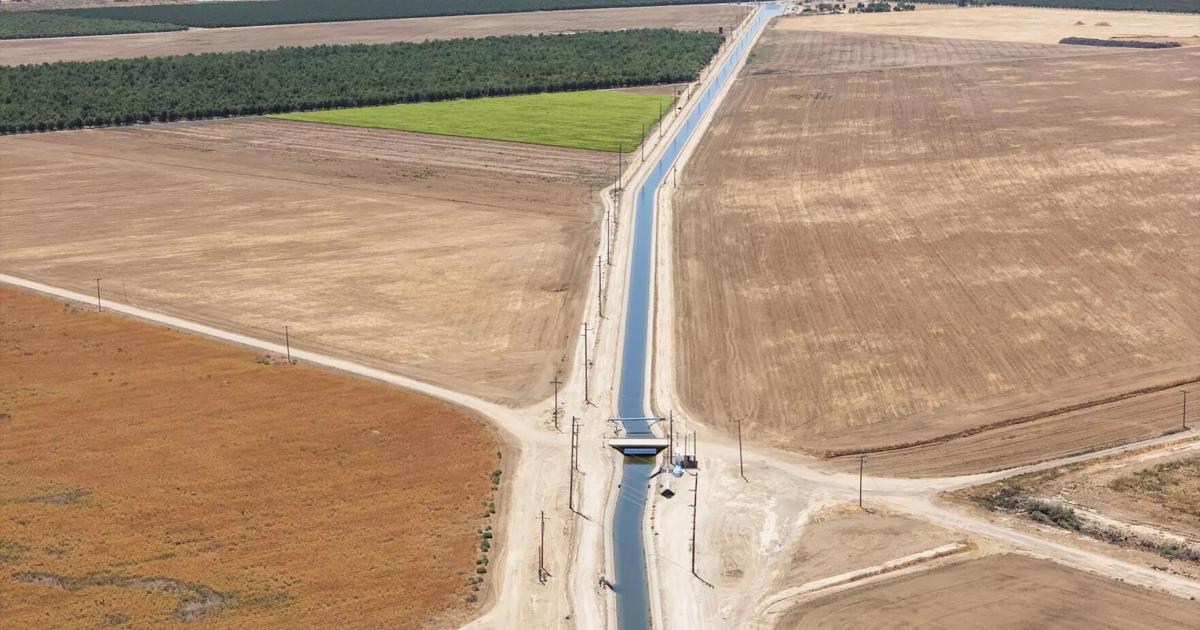
Farmers in California's Central Valley are running out of water — and turning to solar panels to stay afloat. Shrinking water supplies, driven by years of drought and tightening state regulations, are pushing some growers to convert their farmland into solar energy projects, according to WCF Courier.
The shift marks a major change for one of the most productive farming regions in the United States. Rather than leave dry fields idle, landowners are signing deals with solar developers to generate steady income from land that can no longer reliably grow crops, Crossroads Today reported.
Water Cuts Are Forcing Farmers to Make Hard Choices
California's Central Valley farmers face some of the tightest water limits in the state's history. Climate change and prolonged drought have slashed how much water flows to farms. New regulations now cap how much groundwater farmers can pump from underground wells. For many growers, that means they simply cannot water all their fields, Channel 3000 reported.
Some farmers have already watched portions of their land go unplanted for multiple seasons. Leaving land fallow — meaning unused and unplanted — costs money with no return. Solar leases offer a way out. Developers pay landowners a fixed annual fee to install panels, giving farmers a reliable income stream even when crops can't grow, according to The Eagle.
Solar Developers Are Racing to Lock Up Dry Farmland
Solar energy companies see opportunity in the Central Valley's struggles. The region gets abundant sunshine year-round, making it ideal for large-scale solar farms. As more agricultural land sits dry and unused, developers are approaching farmers with long-term lease offers, Tulsa World reported.
Leases can run 20 to 30 years, giving farmers a dependable income even through dry years. California also has aggressive clean energy goals, which pushes demand for new solar capacity. That demand makes Central Valley farmland especially attractive to energy companies looking to build quickly, according to Buffalo News.
Not Everyone Is Ready to Give Up on Farming
The shift to solar is not without tension. Some farmers and local officials worry that converting prime agricultural land to energy production could permanently reduce the region's ability to grow food. Once solar panels go up on farmland, returning that land to crops is difficult and costly, Roanoke Times reported.
Community members also raise concerns about the long-term economic impact on farm towns that depend on agriculture for jobs and local spending. Supporters of solar conversion argue the land is already unproductive and that energy leases keep families financially stable without forcing them to sell, according to Helena Air.
A New Model for Surviving the Drought Era
Experts say the Central Valley may be entering a new era where farming and energy production share the landscape. Some projects use a model called agrivoltaics — placing solar panels above certain crops or grazing animals — to keep land partially productive while generating power, Waco Tribune reported.
For now, full solar conversion remains the more common choice for farmers with severely water-limited land. The trend is expected to grow as water restrictions tighten further in coming years. What was once considered a last resort is quickly becoming a practical business decision, according to Rapid City Journal.
Sentiment
NeutralNEGATIVENEUTRALPOSITIVE
Publishers
16
Articles
15
Reach
16
A
AnonymousAuthor