Yemen Capital Airstrikes
Saudi Arabia launches dozens of airstrikes on Yemen capital amid renewed hostilities
Anonymous
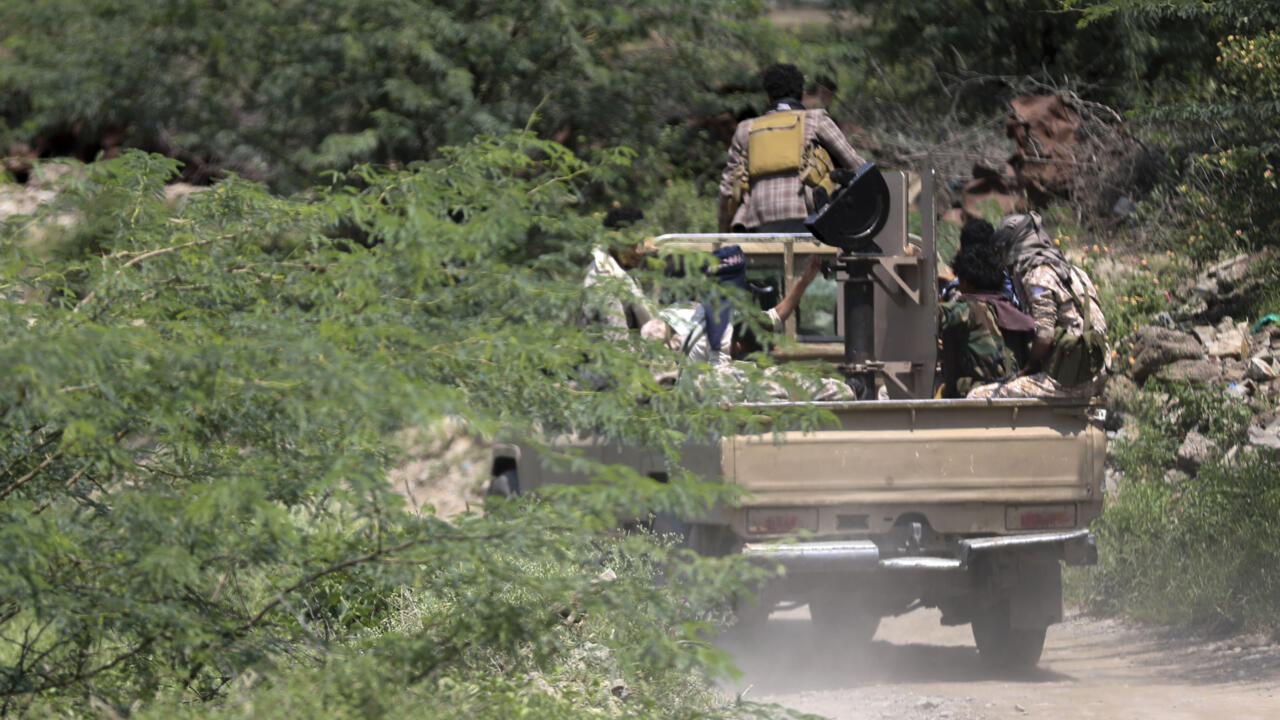
Saudi Arabia launched 26 airstrikes on Yemen's capital, Sanaa, on October 3, according to Houthi-affiliated Al-Masirah TV, escalating a conflict that broke out just three months earlier. The strikes hit residential districts and damaged a maternity hospital, as the Iran-backed Houthi movement controls most of Yemen's Red Sea coast and has blocked shipping through a critical global trade route.
The fighting erupted when Iran sent a plane to Sanaa without permission from Saudi Arabia in July 2026, breaking a four-year ceasefire. Since then, the Houthis have seized control of the Bab al-Mandab Strait and announced a naval blockade on Saudi shipping. The renewed hostilities have worsened Yemen's humanitarian crisis, with 75% of the population now unable to meet basic food needs, according to the World Food Programme.
Four-Year Truce Shatters Over Iranian Flight
In July 2026, The Guardian reports that Iran sent an unauthorized aircraft carrying Houthi delegates to Sanaa after Supreme Leader Ali Khamenei's funeral. This violated a decade-old airspace agreement with Saudi Arabia. The move triggered an immediate response: Saudi-backed Yemeni forces struck Sanaa airport, and the Houthis fired missiles back across the border into Saudi territory.
What followed was a lightning offensive. France 24 documented that by September 11, Houthi forces seized control of Yemen's entire coastline along the Bab al-Mandab Strait. On July 20, the group declared a naval blockade on all Saudi shipping passing through the strait, one of the world's most critical chokepoints for global oil trade.
Hospital Damaged as Strikes Intensify in Capital
On October 3 alone, Shafaq News reported that airstrikes hit multiple Sanaa districts including Nuqum, Attan, Al-Sabeen, and Al-Nahdayn. Explosions damaged Al-Sabeen Maternity and Child Hospital, disrupting critical medical services. Additional strikes hit telecommunications infrastructure and a police station in the nearby city of Saada.
The Houthi Health Ministry called the hospital attack a 'flagrant violation of international humanitarian law,' according to Shafaq News. Earlier, France 24 documented that within the 24 hours before the October 3 strikes, Houthis had reported 94 total strikes across their-controlled territories. Severe clashes around the city of Taiz killed at least 81 fighters and soldiers in a single day.
Red Sea Blockade Threatens Global Oil Markets
The Houthis now control a vital global chokepoint. The Straits Times reports that Saudi Arabia is assembling up to 100,000 troops for a ground offensive to break the Houthi blockade of the Bab al-Mandab Strait. Millions of barrels of daily crude exports from Saudi Arabia's Red Sea terminals depend on free passage through this narrow waterway.
ABC News warns that Houthi interdiction in the Red Sea, combined with existing restrictions in the Strait of Hormuz to the east, threatens global energy supplies. JP Morgan told analysts that forecasting crude prices has become nearly impossible due to the compounding risks of Red Sea disruption and wider Middle East instability. The humanitarian toll is staggering: Al-Monitor reports that three-quarters of Yemen's 30+ million people cannot meet basic food needs.
Saudi Coalition Prepares Major Ground Operation
The Straits Times reports that Saudi Arabia is coordinating with the U.S. and regional partners to prepare a large-scale ground push. The goal is to seize Houthi-held coastal territory and reopen the Red Sea to global shipping. Reuters sources note that success depends on uniting fractured anti-Houthi Yemeni militias, a challenge that has plagued previous operations.
The breakdown of the 2022 ceasefire now risks dragging regional powers into a wider conflict. The Straits Times warns that continued escalation could dismantle years of diplomatic progress, including 2023 normalization efforts between Saudi Arabia and Iran. The conflict has hardened positions on both sides: the Houthis frame it as defense against unprovoked aggression, while the Saudi-backed government calls it counterterrorism against an illegitimate militia threatening international commerce.
Sentiment
Mostly NegativeNEGATIVENEUTRALPOSITIVE
Publishers
30
Articles
58
Reach
88
Topics
A
AnonymousAuthor


