Smith Apologizes to Irving
Stephen A. Smith Apologizes to Kyrie Irving, Reversing Stance on Vaccine Criticism After Fauci Testimony
Anonymous
Key Points
1
Irving’s absence during the 2021-22 season totaled 35 games due to New York state’s vaccine mandate, including all home games at Barclays Center.
2
The NY vaccination rule that kept Irving out was later eased by Mayor Eric Adams in March 2022, when an athlete/performer exemption was created for the mandate.
3
Smith delivered the apology in a near 20-minute on-air monologue, signaling a dramatic reversal in his stance toward Irving.
4
The apology was issued on Smith’s own YouTube show rather than ESPN’s First Take, marking a shift to a more personal media platform for the message.
5
Smith explicitly said, “Kyrie Irving did nobody wrong. We did him wrong. I did him wrong. And for that, I'm sincerely sorry,” highlighting a direct, personal attribution of fault and a reevaluation of past coverage.
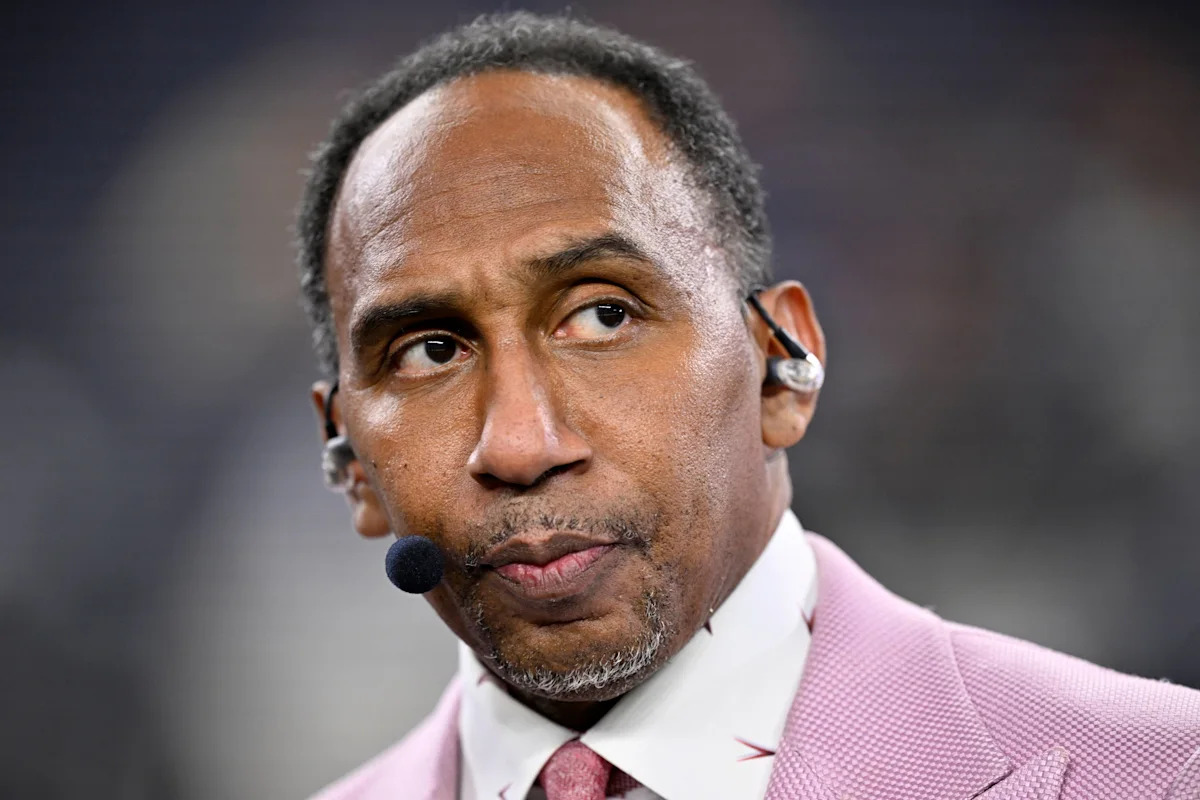
ESPN personality Stephen A. Smith issued a public apology to Dallas Mavericks star Kyrie Irving for criticizing his refusal to get the COVID-19 vaccine. Smith delivered the mea culpa in a near 20-minute monologue on his personal YouTube show, saying plainly: "Kyrie Irving did nobody wrong. We did him wrong. I did him wrong. And for that, I'm sincerely sorry." NY Post reported the apology came after Smith watched Dr. Anthony Fauci plead the Fifth Amendment during a congressional hearing.
The reversal is striking. For years, Smith was one of Irving's loudest critics. Now he calls Irving brave for standing up against vaccine mandates. The shift signals a broader reevaluation of vaccine skepticism in sports media.
35 Games Lost to New York's Vaccine Mandate
During the 2021-22 NBA season, Irving missed 35 games because he refused to get vaccinated. New York City's vaccine mandate barred him from playing any home games at Barclays Center. He could only suit up for road games, making him a part-time player for the Brooklyn Nets.
The mandate was eventually eased. In March 2022, Mayor Eric Adams created an exemption for athletes and performers. That allowed Irving to return to full participation. But by then, a full season had already been disrupted and his reputation had taken a serious hit from media critics — including Smith himself.
Fauci's Fifth Amendment Moment Triggers Smith's Rethink
Smith said he felt compelled to speak up after watching Fauci testify before Congress. Fauci repeatedly invoked the Fifth Amendment, meaning he refused to answer questions to avoid self-incrimination. For Smith, that moment reframed everything. He argued Irving may have been more right than his critics ever allowed.
"I owed him an apology," Smith said. He admitted he contributed to what he called the "vilification" of Irving. The congressional hearing gave Smith new reason to question whether the pressure to get vaccinated — and the media pile-on against those who refused — was ever fully justified.
YouTube Monologue, Not ESPN, Chosen for the Apology
Smith did not deliver the apology on ESPN's First Take, where he built his reputation. He chose his own YouTube show instead. That choice matters. It gave Smith more control and more time — nearly 20 minutes — to make his case without editorial constraints.
The platform shift also reflects how top sports media figures are building personal brands outside traditional TV. Smith used that freedom to say things he may not have been able to say in a standard broadcast segment, including a direct and personal admission of fault toward Irving.
Smith Now Praises Irving as Brave, Not Reckless
According to Yahoo Sports, Smith publicly praised Irving for standing up against mandates — a complete flip from his earlier stance. Where Smith once framed Irving's refusal as selfish and damaging to his team, he now describes it as an act of courage.
The apology is a rare moment of accountability in sports media. Smith did not hedge. He said he got it wrong, named himself as part of the problem, and asked for Irving's forgiveness. Whether Irving responds remains to be seen, but the moment has already sparked wide debate about how athletes who resisted vaccine mandates were treated by the press.
Sentiment
Mostly NegativeNEGATIVENEUTRALPOSITIVE
Publishers
23
Articles
27
Reach
50
A
AnonymousAuthor