United Seat Lawsuit
United Airlines Faces Lawsuit Alleging It Sold Window Seats Next to Solid Walls
Anonymous
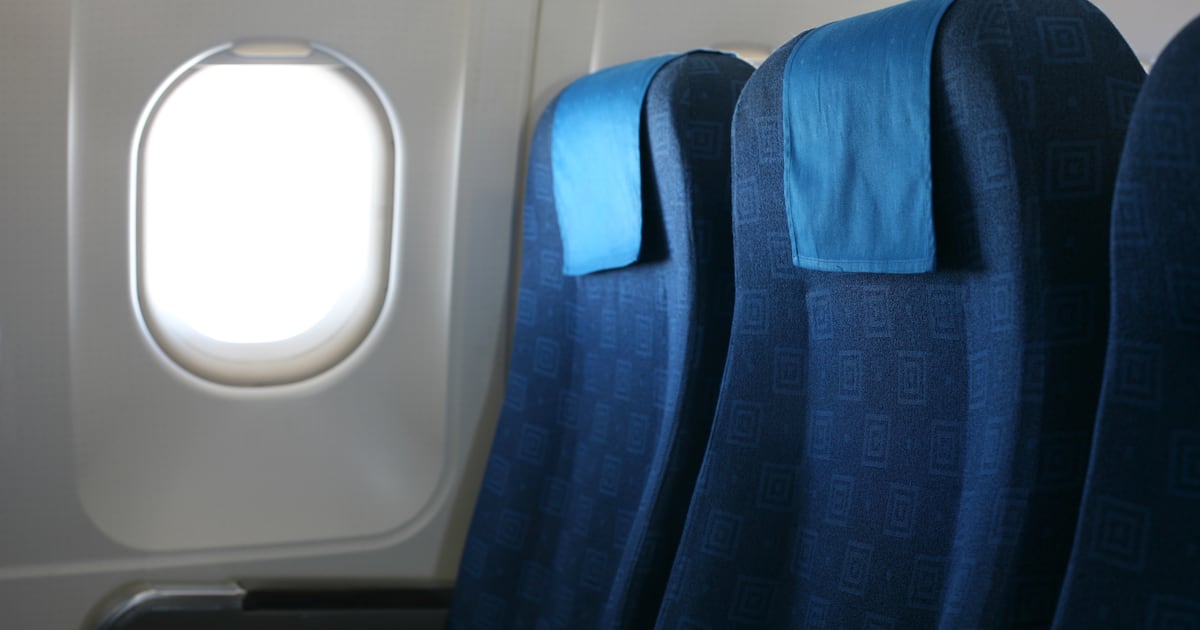
A federal judge has allowed a class action lawsuit against United Airlines to move forward, ruling that passengers may have a real case after paying extra for "window seats" that had no windows. WOKV reported the lawsuit was filed in August 2025 in the Northern District of California and seeks more than $5 million in damages.
The complaint claims United charged premium prices for seats labeled as window seats, even though those seats sat next to solid cabin walls. The airline has not denied the seating issue, but says it has since added more detail to its seat selection process to clarify what passengers are buying. KIRO 7 reported the case covers flights on Boeing 737s, Boeing 757s, and Airbus A321s.
What Passengers Paid For — and Didn't Get
Window seats typically cost more than middle or aisle seats. Airlines charge extra because passengers value the view and the ability to lean against the wall. The lawsuit argues that United knew some seats were labeled as window seats even though the plane's construction placed a solid wall — not a window — right next to them.
Passengers who booked those seats say they paid a premium for something that did not exist. That is the core of the fraud claim. WHIO noted the lawsuit targets specific aircraft types where this mislabeling allegedly occurred most often — the Boeing 737, Boeing 757, and Airbus A321.
Judge Lets the Case Move Forward Despite United's Pushback
United Airlines tried to get the case thrown out before it reached a full trial. The federal judge in California rejected that effort. The judge found that the plaintiffs had raised enough valid legal questions to let the case proceed. This does not mean United lost — it just means the lawsuit survives for now.
For a class action to move forward, a judge must find that the claims apply broadly to a group of people — not just one person. Star 94.5 reported that the proposed class would include all passengers who purchased what United called window seats but received seats next to solid walls.
United's Response: Better Labels, No Apology
United Airlines has not commented directly on the lawsuit's merits. Instead, the airline said it updated its seat selection process to give passengers more detail about what they are buying. That change could matter in court. If United improved its descriptions after complaints, it may suggest the airline knew there was a problem.
Consumer advocates say the case highlights a broader issue with how airlines sell seat upgrades. Passengers often pay $20 to $80 extra for preferred seats with little ability to verify what they are actually getting. KIRO 7 noted that the $5 million damages threshold is the minimum required for a federal class action — the actual amount claimed could grow as more passengers join the suit.
What Comes Next for the Lawsuit
The case now moves into the discovery phase, where both sides gather evidence. Lawyers for the plaintiffs will likely seek data on how many seats United sold as window seats that had no windows, and how much extra passengers paid for them. That data could determine how large the final damages figure becomes.
United faces a choice: settle the case quietly or fight it in court. A settlement would avoid bad publicity but could invite more lawsuits. Going to trial risks a large public verdict. Boston 25 News reported the airline has so far stayed mostly quiet, which legal experts say is a common early strategy in high-profile consumer fraud cases.
Sentiment
NeutralNEGATIVENEUTRALPOSITIVE
Publishers
6
Articles
5
Reach
6
A
AnonymousAuthor


