U.S. Approves Core Iranian Delegation for U.N. Assembly
U.S. Approves Core Iranian Delegation for U.N. Assembly
Anonymous
Key Points
1
The restrictions resemble those imposed on Iran’s delegation in 2025: diplomats were barred from shopping at wholesale stores such as Costco and had to seek U.S. permission to purchase luxury items including jewelry, alcohol and cars.
2
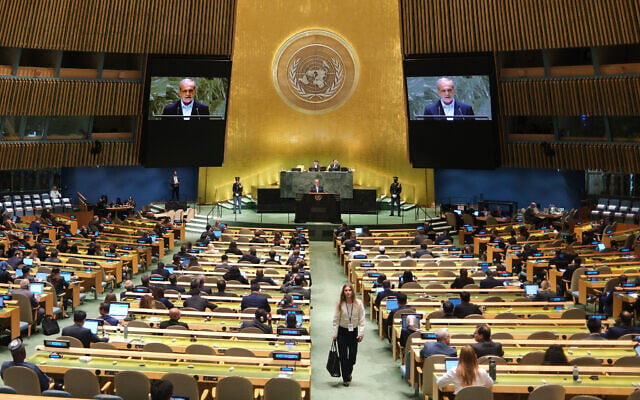
The UN General Assembly’s general debate is scheduled to begin Tuesday; speeches are expected from U.S. President Donald Trump, British Prime Minister Andy Burnham and French President Emmanuel Macron, with the Iranian president expected to speak Wednesday.
3
President Trump said he faces a major decision over whether to escalate the war, asking, “Do I want to go in and annihilate them [the Iranian regime] or do I not?”
4
In addition to the Strait of Hormuz, shipping has also been restricted in the Bab al-Mandab Strait off Yemen, where Houthi rebels have seized control.
5
The State Department said the denial of visas to Palestinian Liberation Organization and Palestinian Authority officials reflected what it called their failure to reform and “ongoing activities that undermine the prospects for peace.”
The Trump administration will allow Iran's President Masoud Pezeshkian and Foreign Minister Abbas Araghchi to attend next week's UN General Assembly in New York, Siasat. The decision upholds U.S. obligations as host country despite seven months of active war between Washington, Israel, and Tehran. The conflict has disrupted Middle East shipping and driven global energy prices higher.
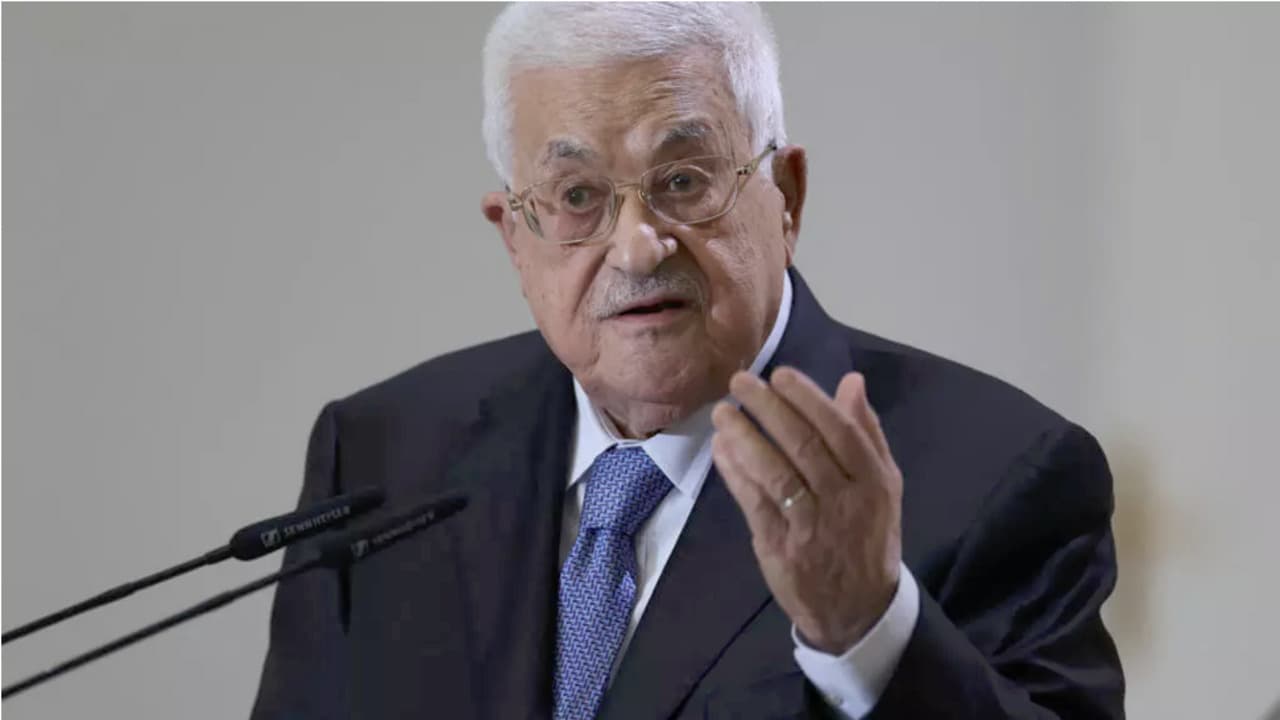
Iranian delegates will face strict travel limits. They cannot shop at stores like Costco and must get U.S. permission to buy luxury goods—jewelry, alcohol, and cars, Caliber. The move contrasts sharply with Washington's refusal to grant visas to Palestinian leaders, though the General Assembly authorized Palestinian President Mahmoud Abbas to speak by video.
Iran Gets Visas Despite Active Conflict
The State Department approved the Iranian delegation to enter the U.S. for the high-level debate beginning Tuesday, Vijesti. Pezeshkian is scheduled to address the General Assembly on Wednesday, alongside U.S. President Donald Trump, British Prime Minister Andy Burnham, and French President Emmanuel Macron. The approval comes seven months into a war that started with February airstrikes.
This decision marks a rare moment of diplomatic engagement during wartime. Host countries have legal obligations to grant UN delegates access to General Assembly sessions. The Iranian president's participation signals both sides maintain diplomatic channels despite military escalation across the Middle East.
Strict Shopping Bans Mirror 2025 Restrictions
Iranian officials attending last year's assembly faced identical curbs: no wholesale club access and mandatory U.S. approval for luxury purchases. This year's delegation faces the same rules. The restrictions aim to limit Iranian officials' access to goods and services while they remain on U.S. soil for the diplomatic event.
Trump Weighs Options on Iran Escalation
President Trump said he faces a major decision: escalate the war or hold course. "Do I want to go in and annihilate them or do I not?" he asked, signaling potential military expansion beyond current operations. The remark underscores U.S. uncertainty about the conflict's next phase as diplomatic talks proceed in New York.
Palestinian Leaders Blocked While Iran Gets Visas
The State Department denied visas to Palestinian Authority and Palestine Liberation Organization officials, citing their "ongoing activities that undermine prospects for peace." Palestinian President Abbas received permission only to address the assembly by video link. The dual approach—granting Iran full attendance while barring Palestinian leaders—reflects Washington's competing diplomatic priorities in the Middle East.
Sentiment
Mostly NegativeNEGATIVENEUTRALPOSITIVE
Publishers
21
Articles
12
Reach
33
A
AnonymousAuthor