ECB Launches Pontes for Tokenized Asset Settlement
ECB Launches Pontes for Tokenized Asset Settlement
Anonymous
Key Points
1
Pontes began live operations with 13 banks, including Deutsche Bank and Santander, and four distributed-ledger operators, including Deutsche Börse-owned Clearstream. It initially operates from 8 a.m. to 4 p.m. Central European Time on business days.
2
The ECB’s 2024 distributed-ledger trials involved more than 64 participants and nearly €1.6 billion in central-bank-money settlements, providing the experimental foundation for Pontes’ permanent infrastructure.
3
ECB Executive Board member Piero Cipollone said Pontes brings “stability and trust” to tokenized finance by using central-bank money, which carries central-bank credit risk rather than the intermediary-bank risk associated with commercial-bank money.
4
The ECB’s push for central-bank settlement is also motivated by monetary sovereignty: ECB economists have warned that widespread use of U.S.-dollar-denominated stablecoins could weaken Europe’s control over monetary policy, particularly because dollar tokens account for most stablecoin transactions globally.
5
Market operators connecting proprietary networks to Pontes will face operational and regulatory challenges, including the need to comply with the EU’s Markets in Crypto-Assets framework. Finance Magnates contrasted the EU’s central-bank-led model with the United States, where tokenized-market infrastructure is being driven primarily by private-sector initiatives.
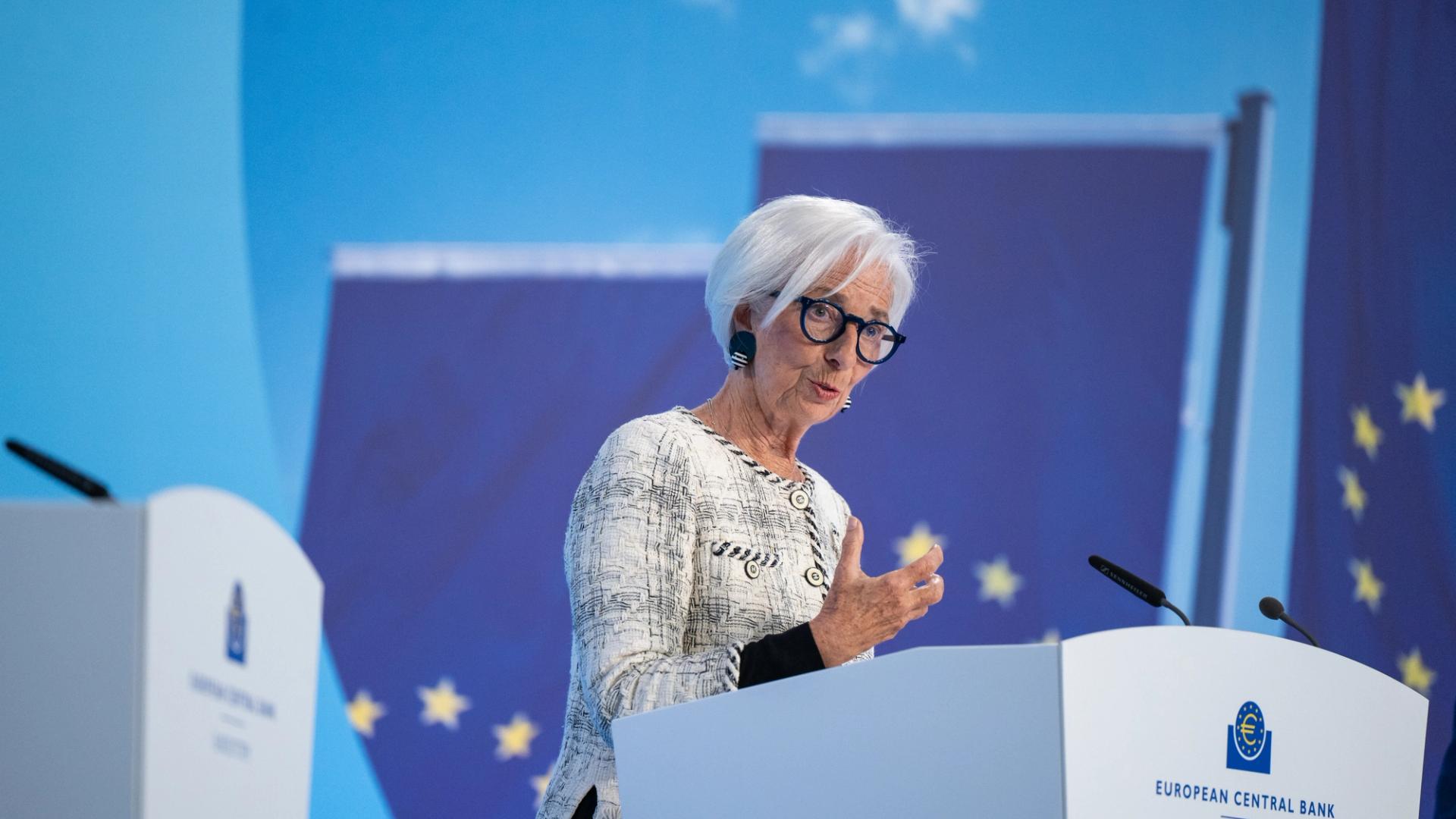
The European Central Bank launched Pontes on September 21, 2026, a platform that lets banks settle tokenized assets using central-bank money instead of private tokens or stablecoins. Bloomberg Bit reports that 13 banks—including Deutsche Bank and Santander—and four blockchain operators are live on the system. The platform initially runs 8 a.m. to 4 p.m. Central European Time on business days, with expanded hours coming through 2028.
Pontes settles tokenized bonds, funds, and commercial paper in central-bank money—the safest form of digital settlement because it carries the ECB's credit guarantee, not a bank's. CoinDesk explains the platform bridges private blockchain networks with the ECB's TARGET payment system. The launch follows 2024 trials that involved 64 participants and €1.6 billion in settlements, giving the ECB proof the system works at scale.
Why the ECB Built Its Own Settlement System
The ECB wanted to stop European banks from relying on U.S.-dollar stablecoins for settlement. Cointelegraph notes that dollar-denominated tokens dominate global stablecoin use, raising concerns about monetary sovereignty. ECB economist warnings suggest widespread dollar-token adoption could weaken Europe's control over monetary policy and interest rates.
Pontes uses central-bank money instead. ECB Executive Board member Piero Cipollone said the system brings "stability and trust" because central-bank money carries ECB credit risk, not the risk of a commercial bank failing. This design protects settlements from bank collapses and gives the ECB direct visibility into tokenized-market activity.
Thirteen Banks Ready to Settle Tokenized Assets Now
Bloomberg Bit reports Deutsche Bank, Santander, and 11 other financial institutions went live with Pontes on day one. Four blockchain operators joined them, including Clearstream, which Deutsche Börse owns. These early participants can immediately settle tokenized bonds, funds, and commercial paper without waiting for approval from private stablecoin issuers.
The 2024 trial phase tested the infrastructure with 64 total participants. Those tests moved nearly €1.6 billion through the system, proving Pontes could handle real settlement volumes. Trading View notes that the permanent platform extends this capacity to ongoing wholesale operations, with plans to add longer hours and more features by 2028.
Central Bank Digital Euro Still Years Away for Consumers
Pontes is a wholesale platform for banks and licensed operators—not a consumer product. The ECB separately plans a digital-euro pilot in 2027 for online and mobile merchants, with possible public issuance in 2029 if EU lawmakers approve. Coin Law explains this differs from Pontes, which settles institutional transactions in existing central-bank money.
The ECB is also investing a small portion of its own funds into euro-denominated tokenized government and supranational securities. This move signals the central bank's confidence in the ecosystem while helping bootstrap liquidity on Pontes. Pontes is part of the broader Appia roadmap, the ECB's multi-year plan to build a European tokenized financial system.
EU's Central-Bank Approach Contrasts With U.S. Private Model
Europe is building tokenized settlement from the top down: the ECB controls the infrastructure and central banks guarantee the money. Cointelegraph reports the U.S. is taking the opposite path, with private firms leading tokenized-market development. This reflects a fundamental difference in how the two regions view financial regulation and monetary control.
Market operators connecting to Pontes must comply with the EU's Markets in Crypto-Assets framework and other regulations. Cointelegraph notes these compliance requirements create operational barriers but also protect settlement from fraud and unauthorized activity. The regulatory burden is steeper than in the U.S., but so is the central-bank oversight and creditworthiness guarantee.
Sentiment
Mostly PositiveNEGATIVENEUTRALPOSITIVE
Publishers
31
Articles
35
Reach
66
A
AnonymousAuthor


